IHZ Self-Priming Pump
Product Information
Common flow range:
3.2–200 m³/h
Common head range:
20–80 meters
Motor power:
1.5–75 kW
Rotational speed:
1,450 or 2,900 rpm
Liquid temperature:
-20°C to 120°C


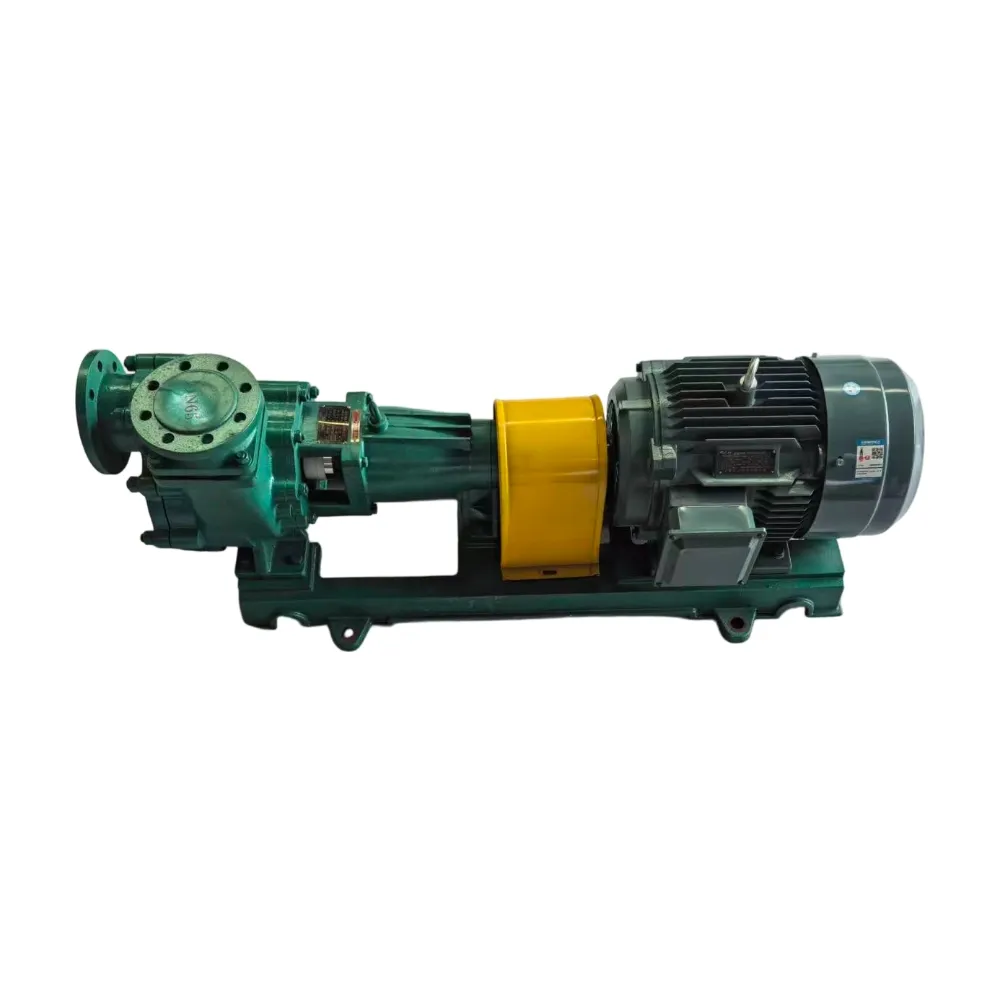
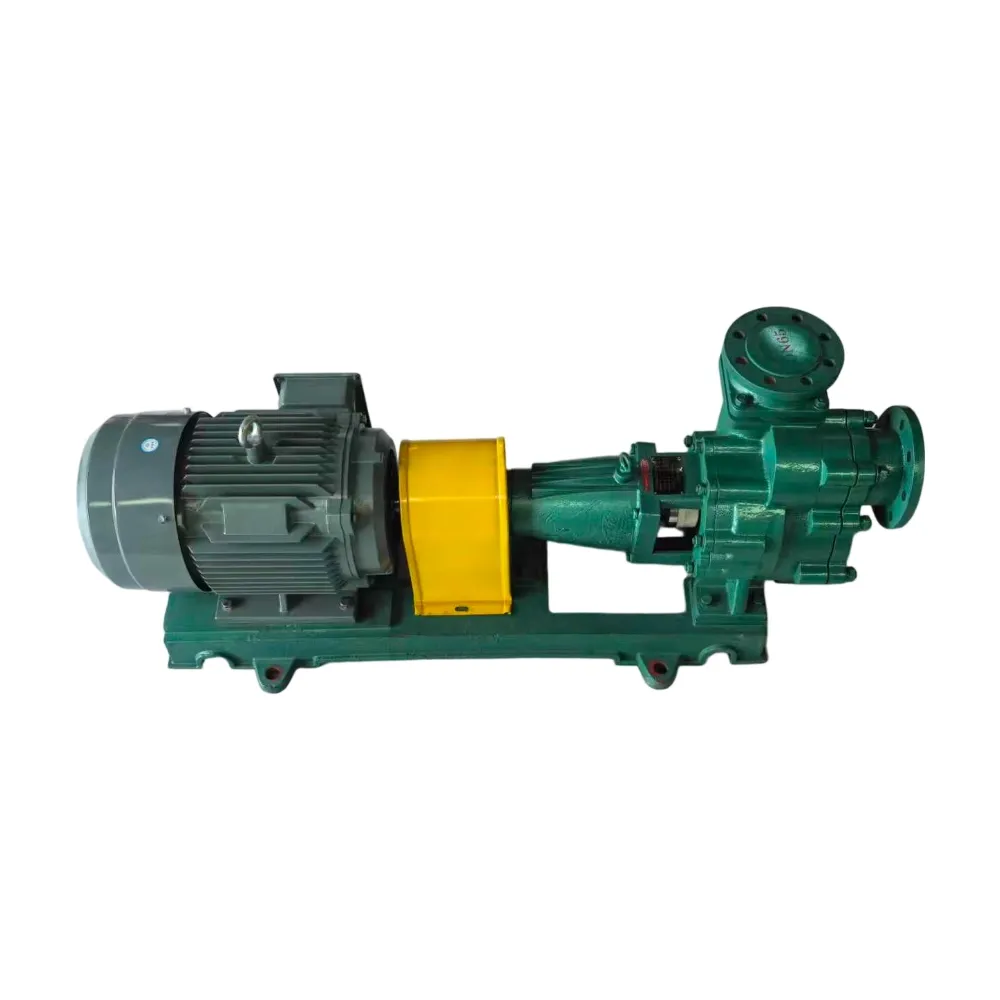
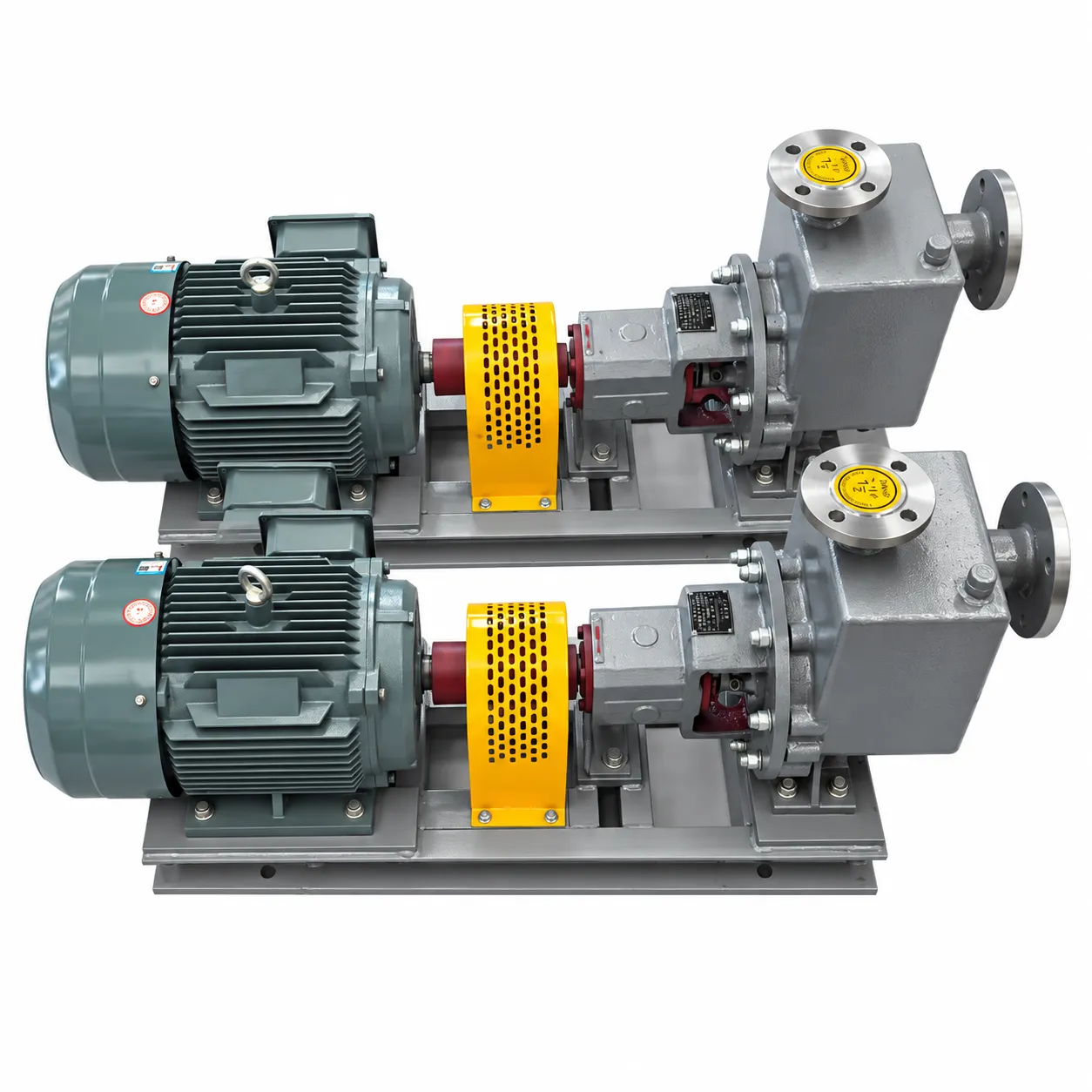
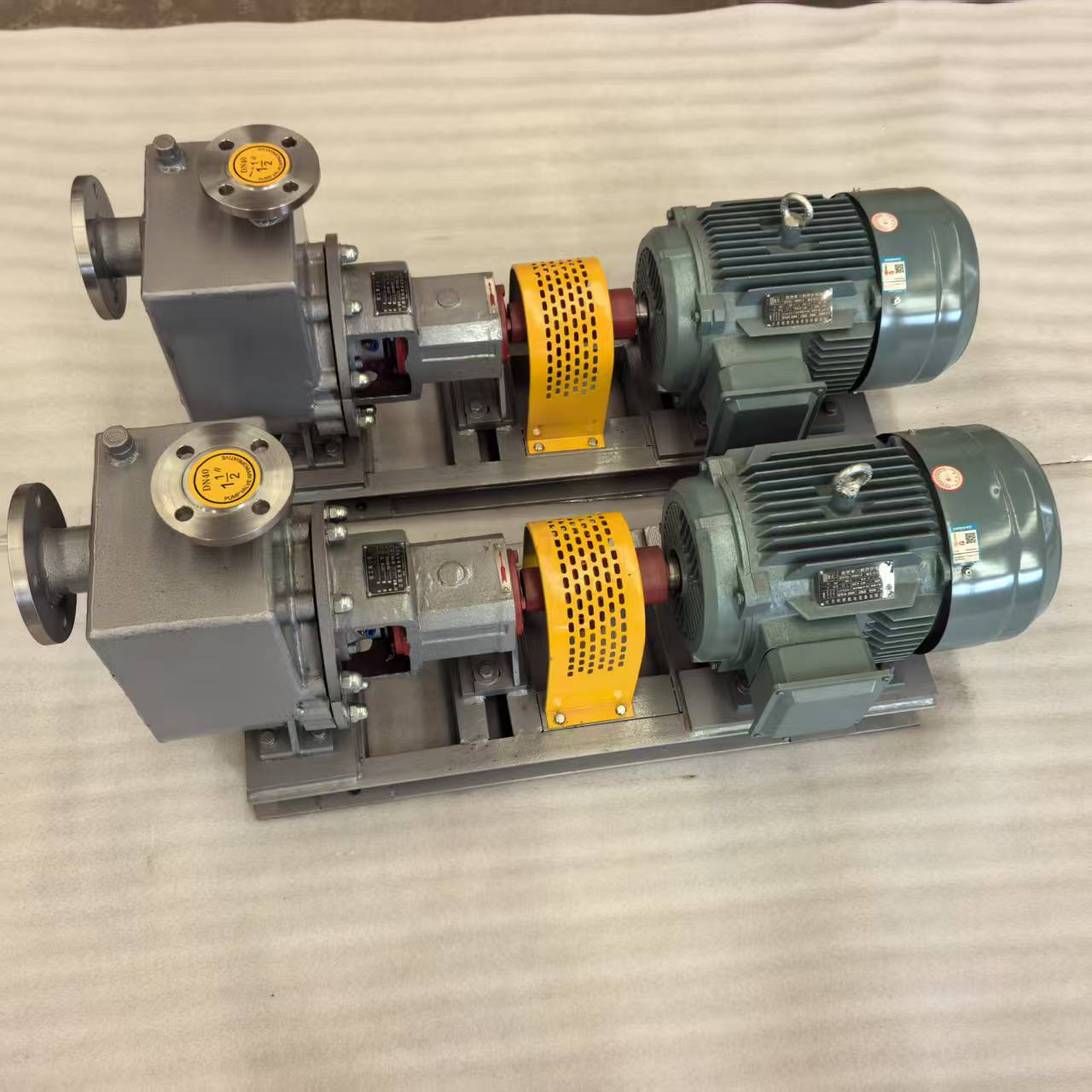
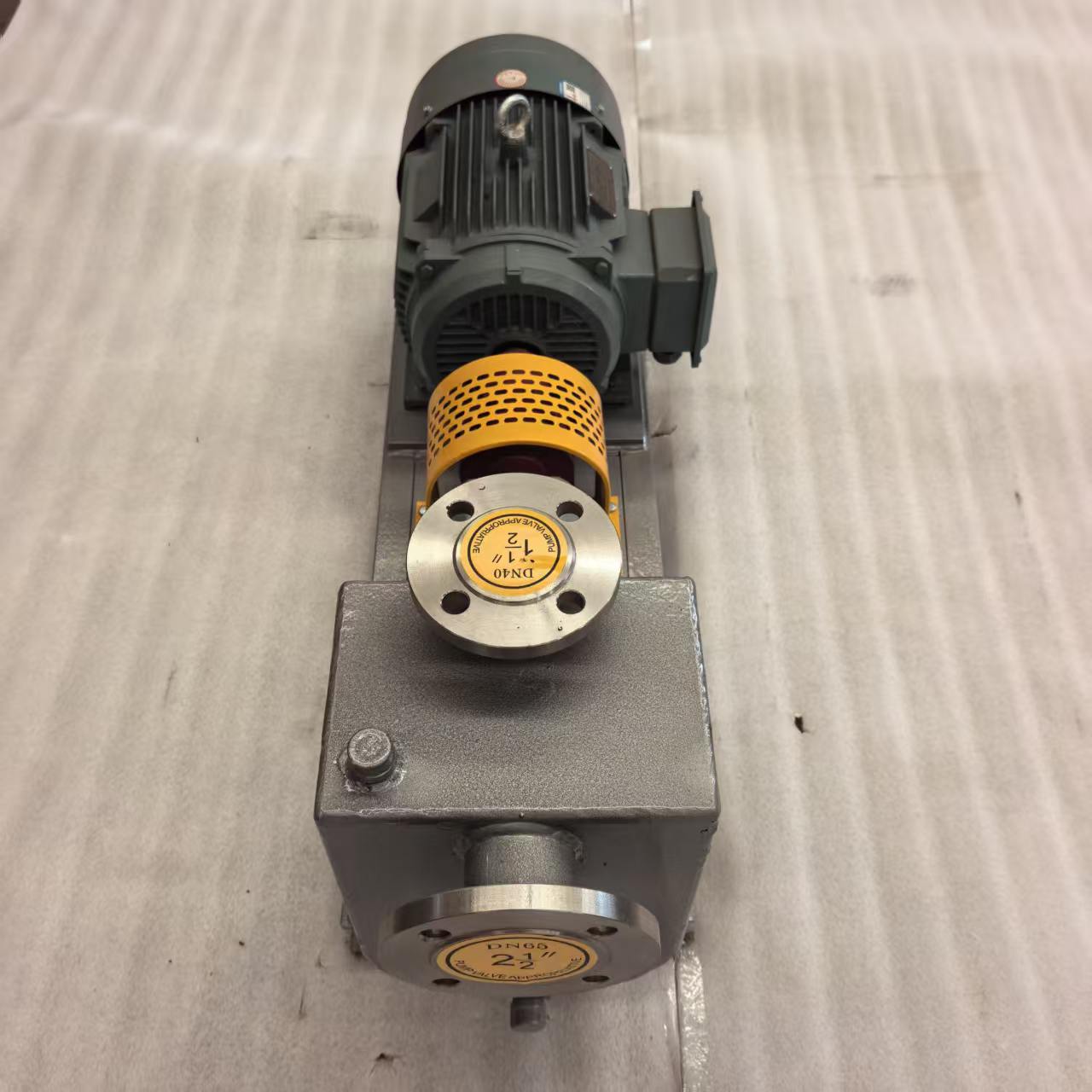
The IHZ self-priming pump is a horizontal centrifugal pump designed for chemical transfer duties. It combines the hydraulic performance of an industrial chemical pump with a built-in gas-liquid separation chamber. Therefore, it can remove air from the suction pipe and lift liquid from a lower tank after the pump casing has been filled.
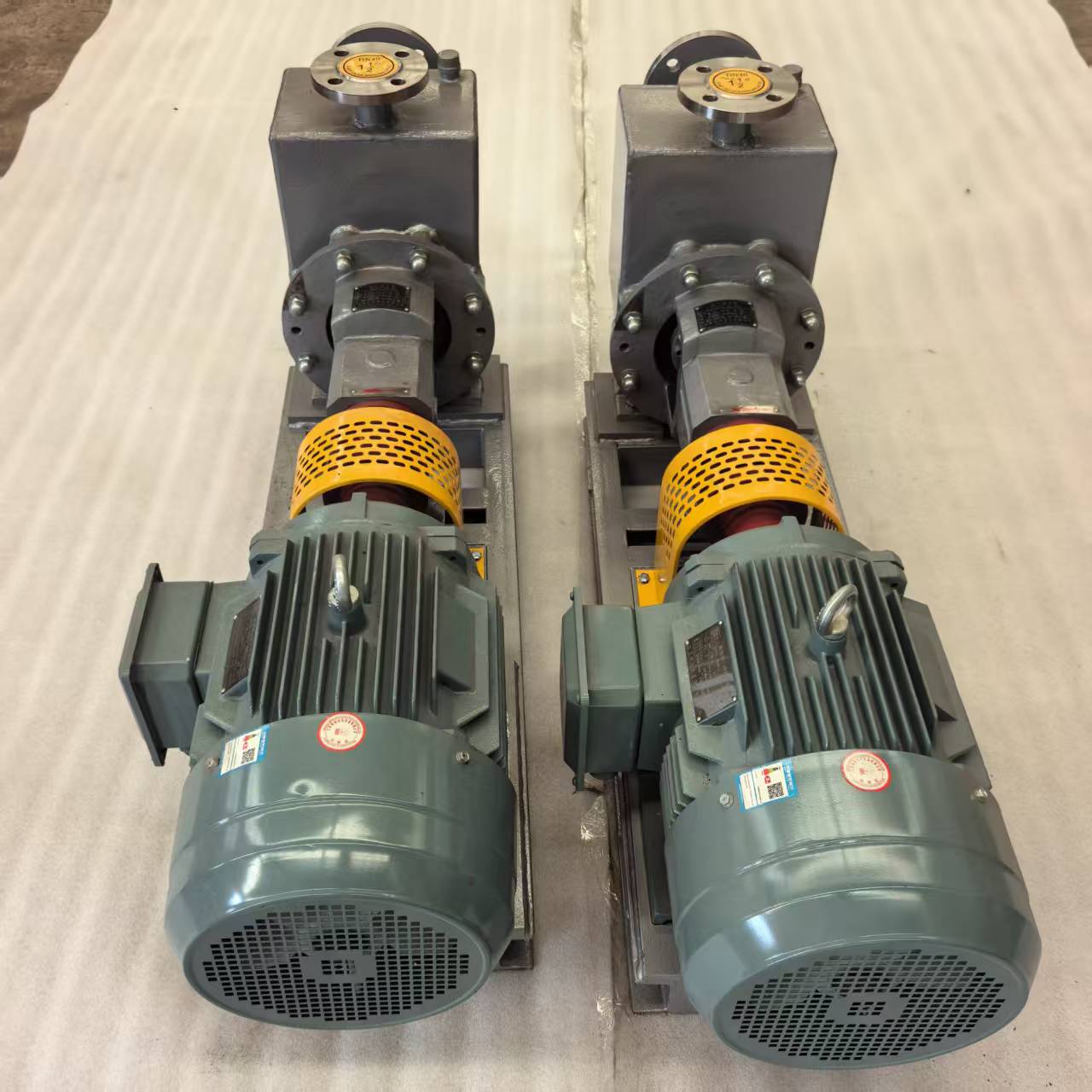
Its stainless steel flow path provides resistance to many acids, alkalis, salt solutions, solvents, and process liquids. In addition, the base-mounted pump, bearing housing, coupling, guard, and motor form a stable unit for continuous industrial operation.
As an industrial pump manufacturer, we provide pump selection, material matching, seal configuration, motor sizing, testing, and spare-parts support.
IHZ Self-Priming Pump Specifications
| Parameter | Typical Series Specification |
| Pump type | Horizontal self-priming centrifugal pump |
| Common flow range | 3.2–200 m³/h |
| Common head range | 20–80 m |
| Motor power | 1.5–75 kW |
| Inlet size | DN25–DN125 |
| Outlet size | DN20–DN100 |
| Rotational speed | 1,450 or 2,900 rpm |
| Maximum self-priming lift | Up to 5.5 m |
| Liquid temperature | −20°C to 120°C |
| Standard material | Stainless steel |
| Material options | SS304, SS316, SS316L, duplex stainless steel |
| Seal | Single, double, or external mechanical seal |
| Installation | Horizontal base-mounted |
| Connection | Flanged |
| Design reference | ISO 2858, GB 5662, DIN 24256 |
The exact flow, head, power, and priming time depend on the selected model. Liquid density, viscosity, vapor pressure, suction height, temperature, and pipe length must also be considered.
How the Self-Priming System Works
Before the first startup, the pump chamber is filled with liquid. When the impeller starts to rotate, this stored liquid mixes with air from the suction pipe.
The gas-liquid mixture then enters the separation chamber. Here, the air leaves through the discharge, while the liquid returns to the impeller through the internal return passage. This cycle continues until most of the air has been removed.
As a result, a vacuum forms in the suction pipe and draws liquid into the pump. After priming is complete, the pump operates as a normal centrifugal pump.
Stainless Steel Construction
The pump casing, impeller, and cover can be manufactured from different stainless steel grades. Therefore, the wetted material can be matched to the chemical composition and operating temperature.
Common options include:
- SS304 for general industrial liquids
- SS316 for improved corrosion resistance
- SS316L for selected chemical and pharmaceutical duties
- Duplex stainless steel for chloride-containing liquids
- Custom alloys for demanding applications
However, no single material is suitable for every chemical. The liquid name, concentration, temperature, and contamination level must be reviewed before production.
Mechanical Seal Options
The mechanical seal prevents liquid from leaking around the rotating shaft. Because chemical duties vary, several seal structures and face materials are available.
Seal options include:
- Internal single mechanical seal
- External mechanical seal
- Double mechanical seal
- PTFE bellows seal
- Silicon carbide seal faces
- Tungsten carbide seal faces
- Carbon and ceramic combinations
- EPDM, FKM, or PTFE secondary seals
For liquids containing small impurities, a hard-to-hard silicon carbide seal may be selected. However, the IHZ pump is not intended for heavy slurry or large abrasive solids.
Back Pull-Out Pump Design
The IHZ self-priming pump uses a back pull-out structure. Therefore, technicians can remove the bearing housing, shaft, seal, and impeller from the motor side without disconnecting the main pump casing from the pipe.
This design reduces maintenance time. Moreover, it helps the plant keep the suction and discharge piping in place during inspection.
The flexible coupling also separates the motor shaft from the pump shaft. Consequently, each part can be serviced or replaced independently.
Main Product Features
- Self-priming lift up to 5.5 m
- Strong stainless steel construction
- Built-in gas-liquid separation chamber
- Stable horizontal installation
- Replaceable mechanical seal
- Back pull-out maintenance design
- Broad flow and head coverage
- Low vibration with correct alignment
- Standard or explosion-proof motor options
- Custom materials and flange standards
- Suitable for continuous industrial service
- Easy access to bearings and rotating parts
Industrial Applications
The IHZ self-priming pump is used where the liquid source is below the pump or where frequent draining makes a standard centrifugal pump less practical.
Typical applications include:
- Chemical storage tank unloading
- Acid and alkali transfer
- Organic solvent circulation
- Pharmaceutical liquid transfer
- Electroplating production lines
- Metal pickling systems
- Pesticide and fertilizer plants
- Paper and pulp processing
- Dye and pigment production
- Petroleum and petrochemical plants
- Industrial wastewater transfer
- Tank farm drainage
- Rare-earth processing
- Electronic chemical systems
Suitable Liquids
With the correct material and seal, the pump can handle many low-viscosity industrial liquids, including acids, alkaline solutions, solvents, brine, alcohols, process water, and selected oxidizing liquids.
However, the pump should not be used for an unconfirmed chemical. Highly volatile liquids, concentrated acids, crystallizing media, and liquids containing solids require a detailed application review.
Installation and Startup
Install the pump on a rigid, level foundation. Next, align the pump and motor shafts before connecting the coupling. The suction and discharge pipes must have independent supports so that their weight does not load the pump casing.
Keep the suction pipe short and direct. In addition, make sure all suction joints are airtight because even a small air leak can reduce priming performance.
Before startup:
- Fill the pump chamber with liquid.
- Confirm the correct motor direction.
- Check coupling alignment.
- Open the suction valve fully.
- Turn the shaft by hand.
- Confirm that the mechanical seal is suitable.
- Remove trapped air from the discharge system.
The pump must not run dry. Operators should also avoid long operation with a closed discharge valve or below the permitted minimum flow.
Manufacturer Customization and Testing
We can configure the IHZ self-priming pump according to the required duty and site conditions. Available services include:
- Hydraulic model selection
- SS304, SS316, and SS316L construction
- Mechanical-seal selection
- Impeller diameter adjustment
- Standard or explosion-proof motor
- Custom voltage and frequency
- DIN, ANSI, or GB flanges
- Base frame and coupling guard
- Protective coating and nameplate
- Performance and sealing tests
- Export packing
- Spare-parts supply
For accurate selection, please provide the required flow, total head, suction height, liquid name, concentration, temperature, density, viscosity, particle content, motor voltage, and operating hours.
Frequently Asked Questions
Does the IHZ pump need priming before startup?
Yes. Fill the pump casing before the first startup. Stored liquid then supports later self-priming cycles.
What is the maximum self-priming lift?
The typical maximum is 5.5 m. Actual lift depends on liquid temperature, suction-pipe length, airtightness, and installation altitude.
Can it transfer corrosive chemicals?
Yes, when the stainless steel grade and seal materials are compatible with the exact chemical.
Can an explosion-proof motor be supplied?
Yes. The motor can be selected according to the required hazardous-area class, voltage, frequency, and protection level.
Request an IHZ Pump Quotation
Send us your operating data for an IHZ self-priming pump proposal. Our technical team will recommend the pump size, material, seal, motor, and flange standard for your chemical transfer system.