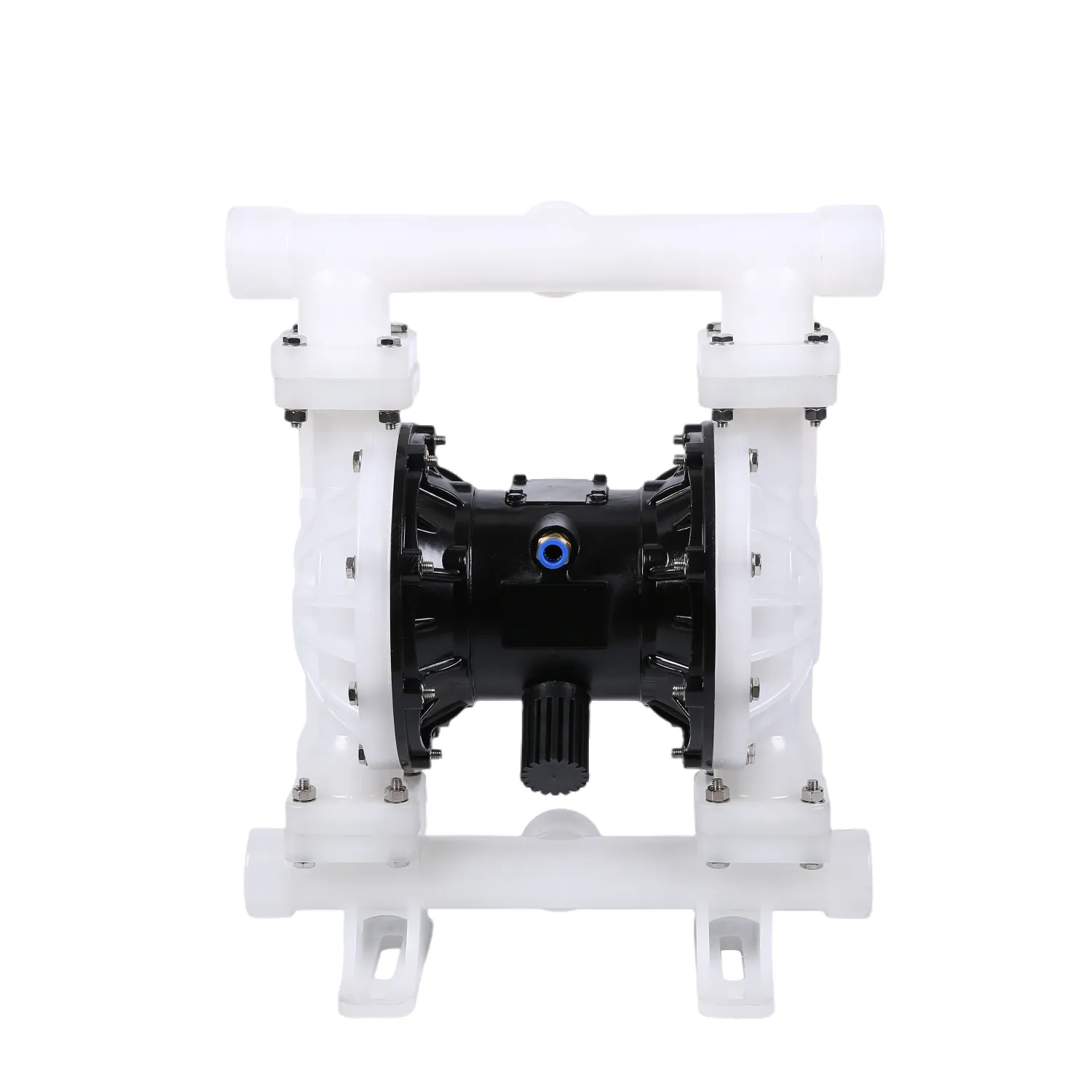
Plastic Pneumatic Diaphragm Pump
Product Information
Pump type:
Air-operated double-diaphragm pump
Reference model:
QBY3-50S
Fluid inlet/outlet:
inches
Maximum flow rate:
Up to 378.5 l/min
Air inlet:
half-inch


The XSU Plastic Pneumatic Diaphragm Pump is designed for acids, alkalis, wastewater, coating materials, and other demanding fluids. It uses compressed air to move two flexible diaphragms. Therefore, it does not need an electric drive motor or a rotating mechanical seal.
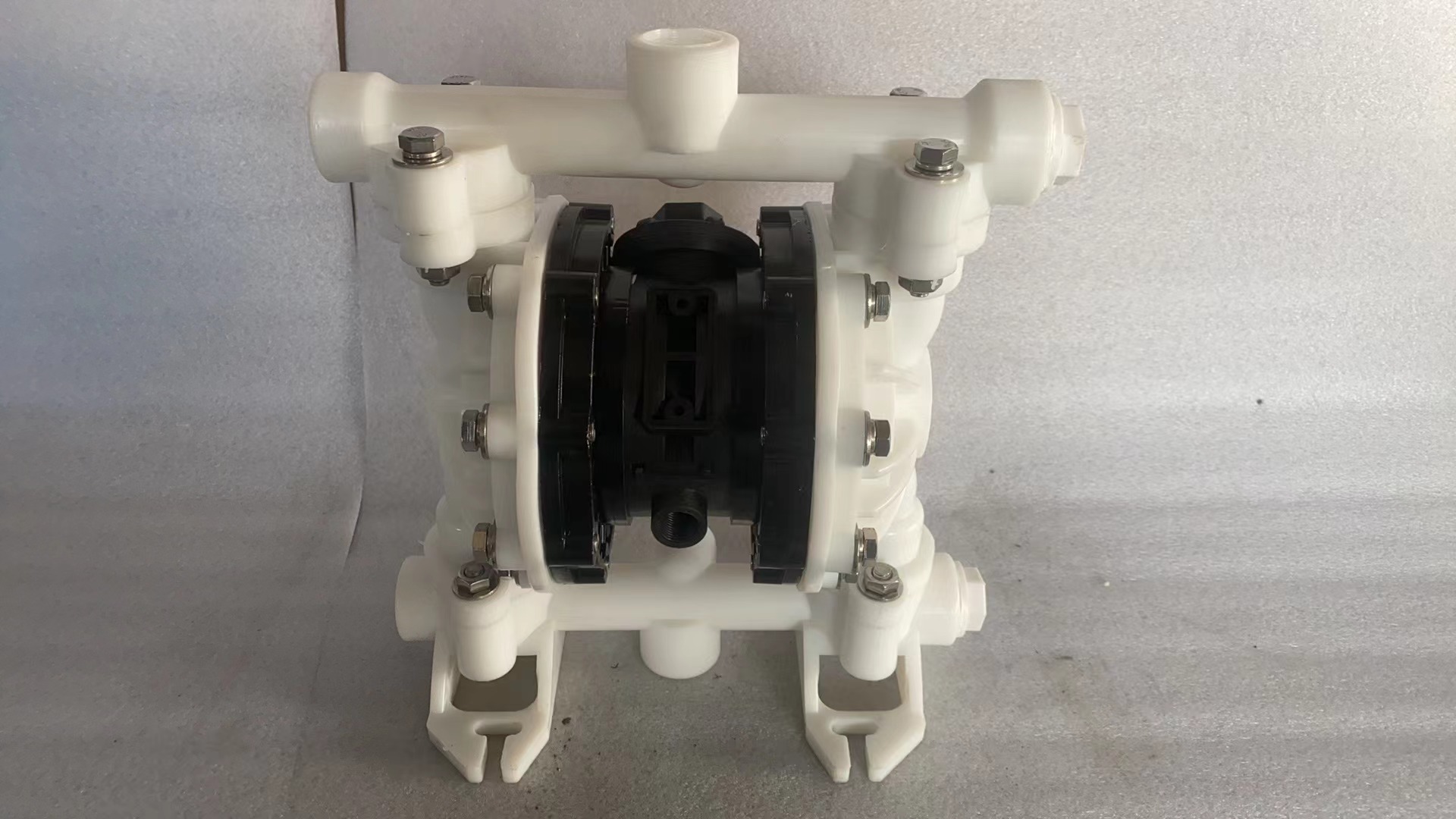
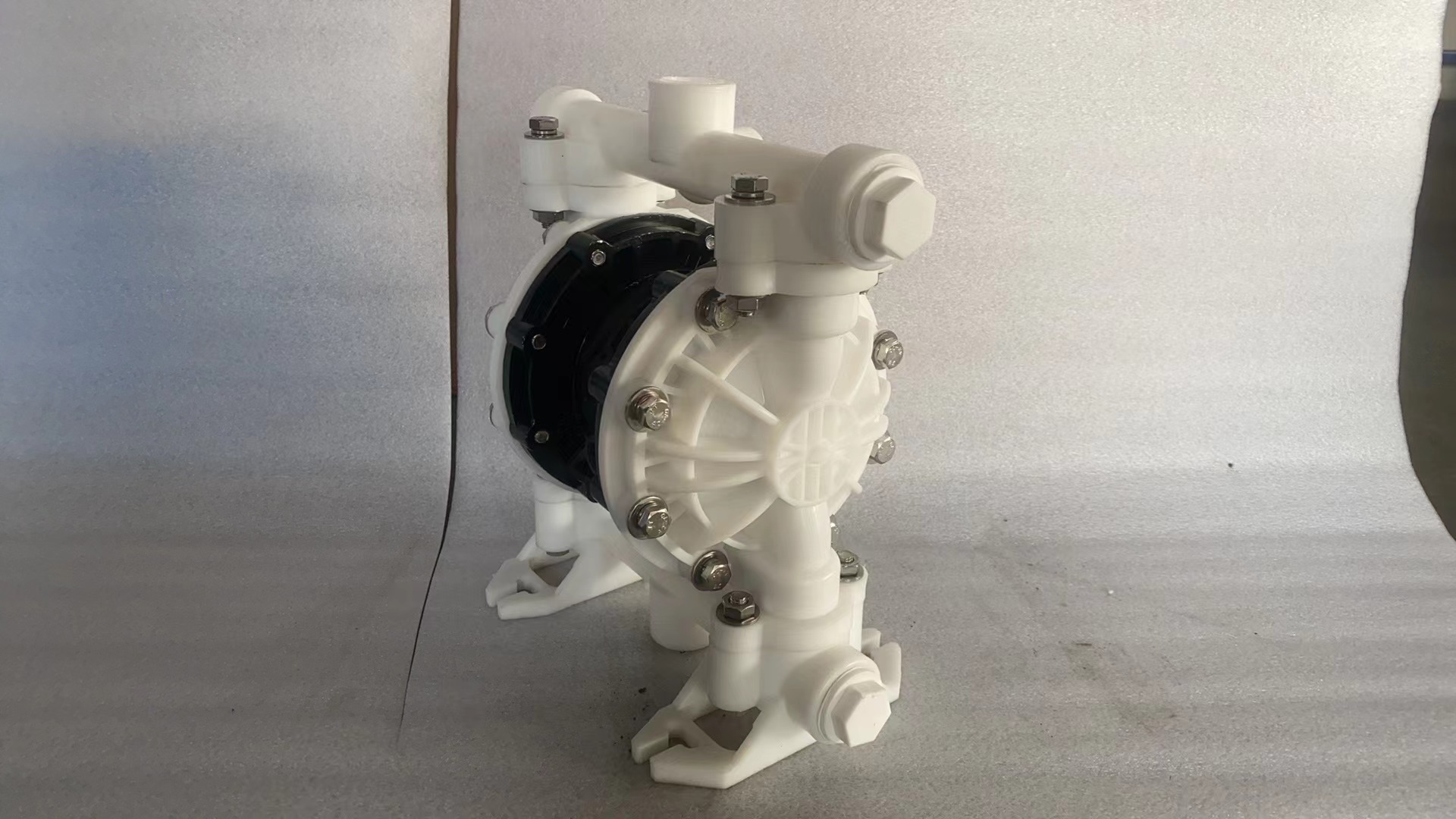
The photographed configuration features a white molded plastic fluid section, a black central air valve, bolted diaphragm chambers, threaded manifolds, and stable mounting feet. This compact design is easy to install and is suitable for fixed systems or mobile transfer work.
Jiangsu Xiangsu Machinery Equipment Manufacturing Co., Ltd. supplies configurable pump solutions for industrial users, equipment builders, distributors, and project contractors. Pump size, plastic resin, diaphragm, valve ball, and connection type can be selected for each application.
Reliable Transfer for Corrosive Fluids
Metal pumps may corrode when they handle aggressive chemicals. In contrast, a plastic pump provides a non-metallic fluid path that can resist many acids, alkalis, salts, and treatment chemicals.
Polypropylene is a practical choice for many general chemical duties. Meanwhile, PVDF offers wider resistance for more aggressive media. PTFE fluid parts can also be considered when very broad chemical compatibility is required.
However, no material suits every liquid. Fluid concentration, temperature, purity, and operating time must be checked before the final pump is selected.
Key Product Features
- Air-operated double-diaphragm structure
- Corrosion-resistant plastic fluid chambers
- PP, PVDF, and PTFE material options
- Self-priming operation
- Adjustable flow through air-pressure control
- Suitable for low- and high-viscosity fluids
- Can pass small suspended particles
- No rotating shaft seal in the fluid section
- Bolted chamber design for secure assembly
- Threaded inlet and outlet connections
- Compact body with mounting feet
- Diaphragm and valve materials for different chemicals
Typical 2-Inch Pump Specifications
The images are consistent with a common 2-inch plastic QBY3 configuration. The following data are representative and must be confirmed for the final order.
| Parameter | Typical Value |
| Pump type | Air-operated double-diaphragm pump |
| Reference model | QBY3-50S |
| Fluid inlet and outlet | 2 inches |
| Maximum flow rate | Up to 378.5 L/min |
| Maximum head | Up to 84 m |
| Maximum working pressure | Up to 8.4 bar |
| Maximum suction lift | Up to 5.48 m |
| Maximum particle passage | About 4.8 mm |
| Air inlet | 1/2 inch |
| Typical air consumption | About 0.9 m³/min |
| Standard body option | Polypropylene |
| Diaphragm options | PTFE, Santoprene, NBR, EPDM, or other elastomers |
| Connection type | Threaded; custom options available |
Smaller and larger models are also available. Common connection sizes range from 3/8 inch to 5 inches, while maximum flow varies by model.
Suitable Applications
The Plastic Pneumatic Diaphragm Pump can support many batch transfer, unloading, circulation, and dosing duties, including:
- Acid and alkali transfer
- Electroplating and surface treatment
- Chemical drum and IBC unloading
- Wastewater treatment chemicals
- Paint, ink, pigment, and coating transfer
- Detergent and cleaning-product production
- Resin, adhesive, and emulsion handling
- Sludge and particle-bearing wastewater
- Filter-press feeding
- Chemical tank circulation
- Mining and mineral-processing chemicals
- Pharmaceutical and fine-chemical support processes
For continuous electric transfer of corrosive liquid, an IHF fluoroplastic-lined centrifugal pump may be considered. For highly abrasive slurry, compare the application with an UHB corrosion-resistant mortar pump.
How the Double-Diaphragm Design Works
Compressed air enters the central air valve and moves the connected diaphragms from side to side. One chamber creates suction and draws fluid into the pump. At the same time, the other chamber pushes fluid toward the discharge manifold.
Valve balls and seats keep the liquid moving in one direction. As the cycle repeats, the pump produces a steady transfer flow without an electric motor.
The flow rate can be changed by adjusting the air pressure and air volume. In addition, the pump can slow or stop as discharge pressure rises. This helps protect the unit when a downstream valve closes, provided the complete system is correctly designed.
Selecting Wetted-Part Materials
Material selection has a direct effect on safety and service life. Therefore, the pump body alone should not be the only consideration.
The diaphragms, valve balls, valve seats, O-rings, and connections must also suit the liquid. PTFE diaphragms are often selected for aggressive chemicals. Santoprene can provide good flex life in many water-based duties. NBR may suit oils, while EPDM is often used with selected water-based chemicals.
XSU Pump reviews the full application before recommending a combination. For more selection guidance, see our overview of industrial fluid transfer pumps.
Manufacturer and Customization Support
XSU Pump supports standard procurement as well as project-based orders. Our team can assist with:
- Model selection based on flow and pressure
- PP, PVDF, or PTFE body selection
- Diaphragm and valve material matching
- Thread and connection customization
- OEM labels and packaging
- Spare diaphragm, ball, seat, and seal kits
- Installation and operating documents
- Pre-shipment inspection support
- Batch orders for distributors and equipment builders
To reduce selection errors, we review the fluid, concentration, temperature, viscosity, solids, duty cycle, suction conditions, and air supply. Customers can also read our guide to industrial pump solutions.
Installation and Operating Advice
Mount the pump on a firm and level surface. In addition, keep the suction pipe short and use the correct pipe diameter. Long or narrow suction lines can reduce output.
Install a filter and regulator in the compressed-air line. Then start with low air pressure and increase it slowly. The air supply must not exceed the rated pressure of the pump or connected equipment.
Although an air-operated pump can tolerate short dry-running periods, continuous dry operation should be avoided. Regularly inspect the diaphragms, valve balls, seats, fasteners, and air valve. Replace worn parts before they affect pumping performance.
For hazardous areas, the pump, hoses, air supply, grounding method, and installation must follow the relevant local safety requirements.
Information Required for a Quotation
Please provide:
- Fluid name and concentration
- Operating temperature
- Required flow and discharge pressure
- Fluid viscosity
- Particle size and solids content
- Suction height
- Available air pressure and volume
- Required connection size and thread
- Preferred plastic and diaphragm materials
- Order quantity and OEM requirements
These details allow XSU Pump to recommend a more reliable configuration.
Frequently Asked Questions
Can this pump handle strong acids?
It may handle many acids when the correct body, diaphragm, ball, seat, and seal materials are selected. However, concentration and temperature must be reviewed first.
Can the pump transfer thick liquid?
Yes. A pneumatic diaphragm pump can move many viscous liquids. However, flow decreases as viscosity rises, so larger pipes and a suitable air supply may be required.
Does the pump require electricity?
No electric motor is fitted. The pump runs on compressed air. However, the air compressor and control system may require power.
Can it handle particles?
Yes. Different models can pass small solids. For a typical 2-inch model, the maximum particle size is about 4.8 mm.
Are replacement parts available?
Diaphragms, valve balls, seats, seals, and air-valve parts can be supplied according to the selected pump configuration.
Recommended products
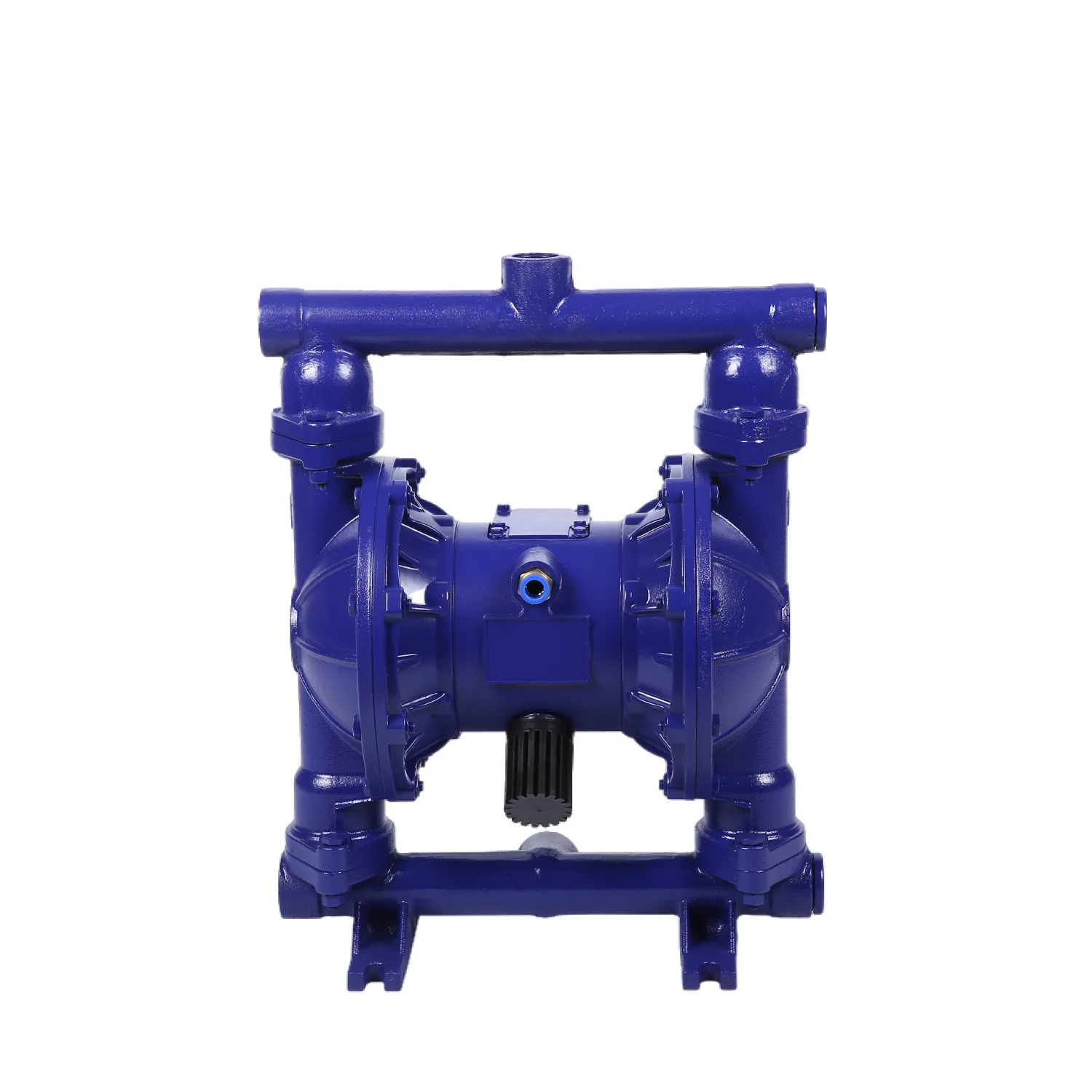
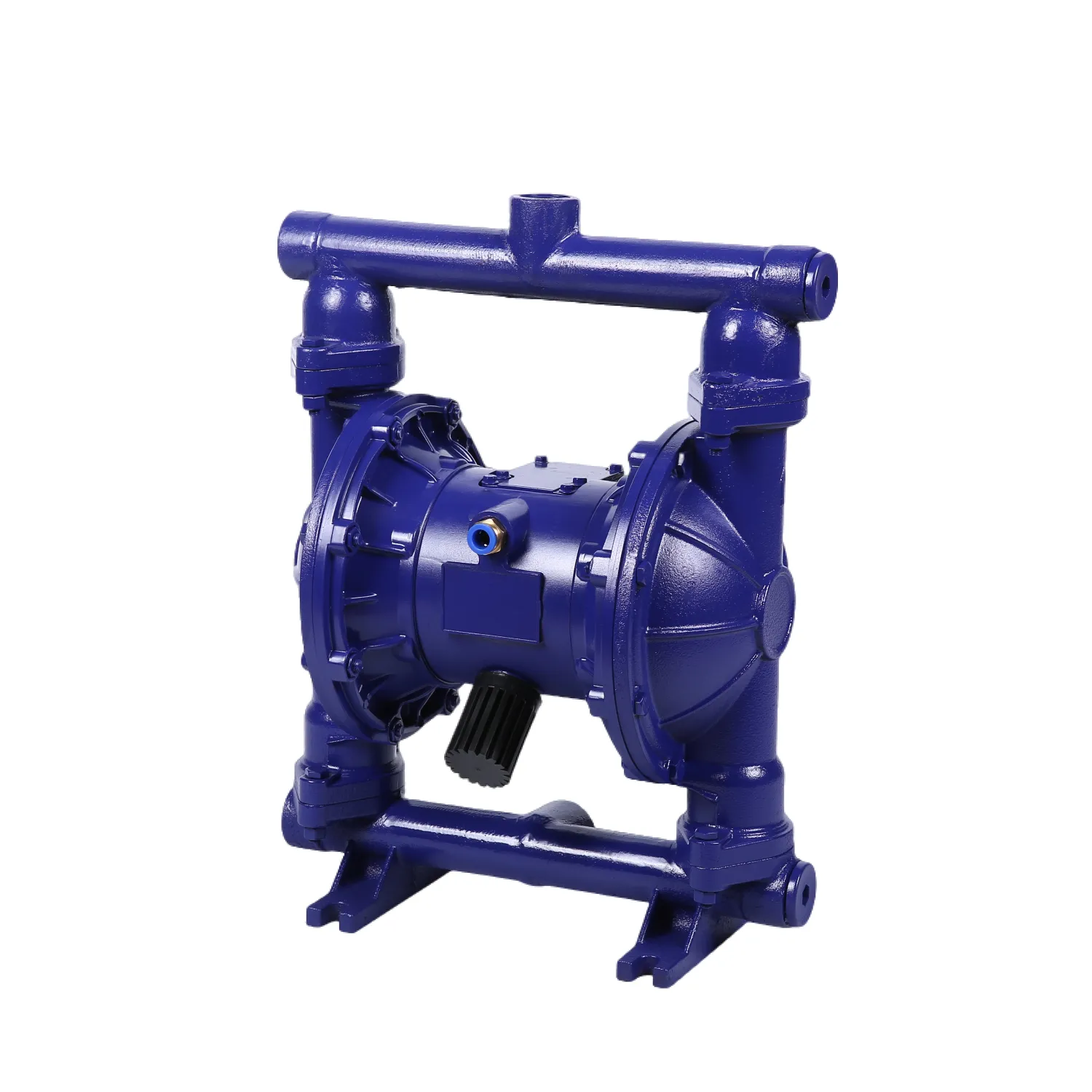
Cast Iron Air-Operated Diaphragm Pump
XSU Cast Iron Pneumatic Diaphragm Pumps XSU cast iron air operated double diaphragm pumps provide reliable air-powered transfer for oil, coatings, wastewater, sludge, and viscous industrial fluids.
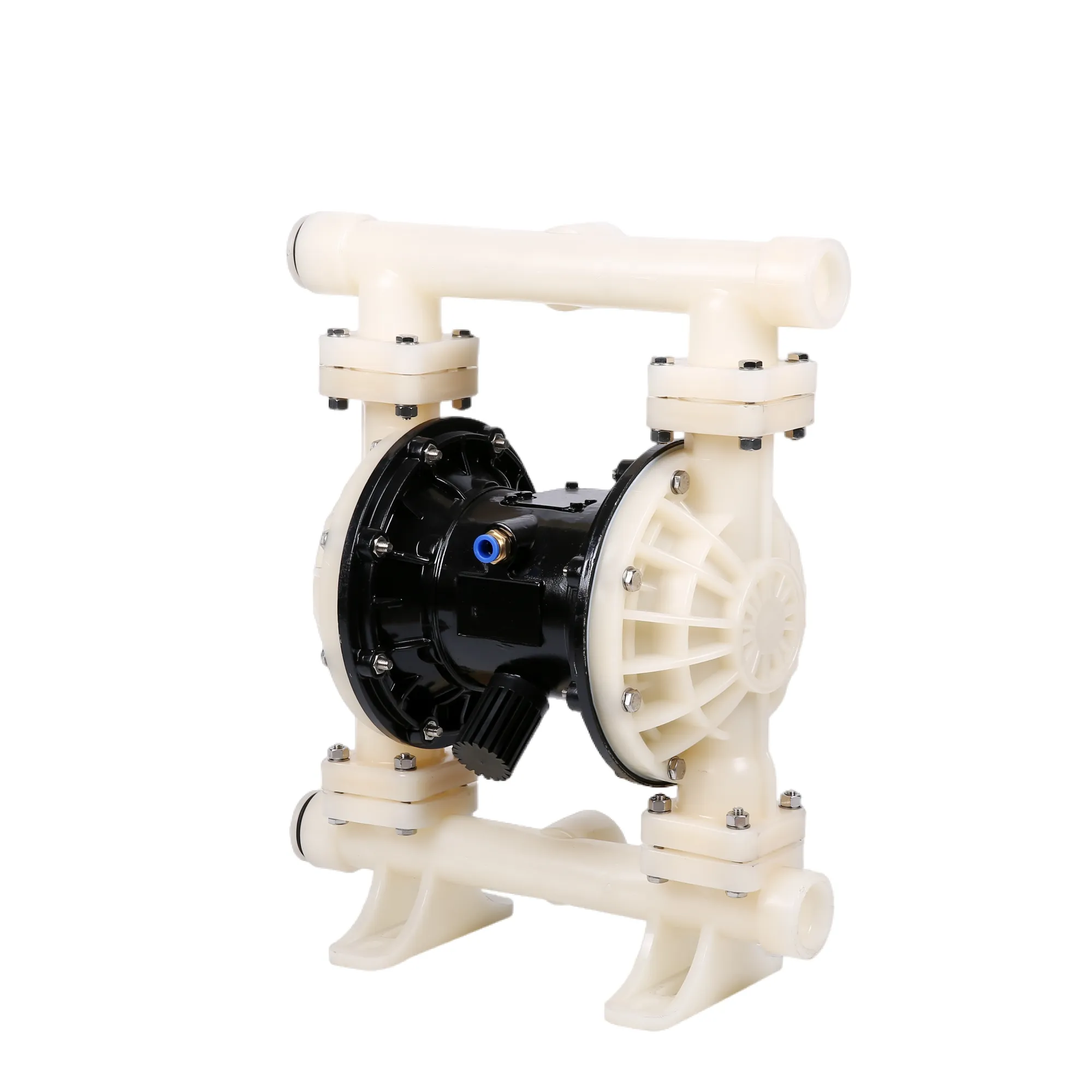
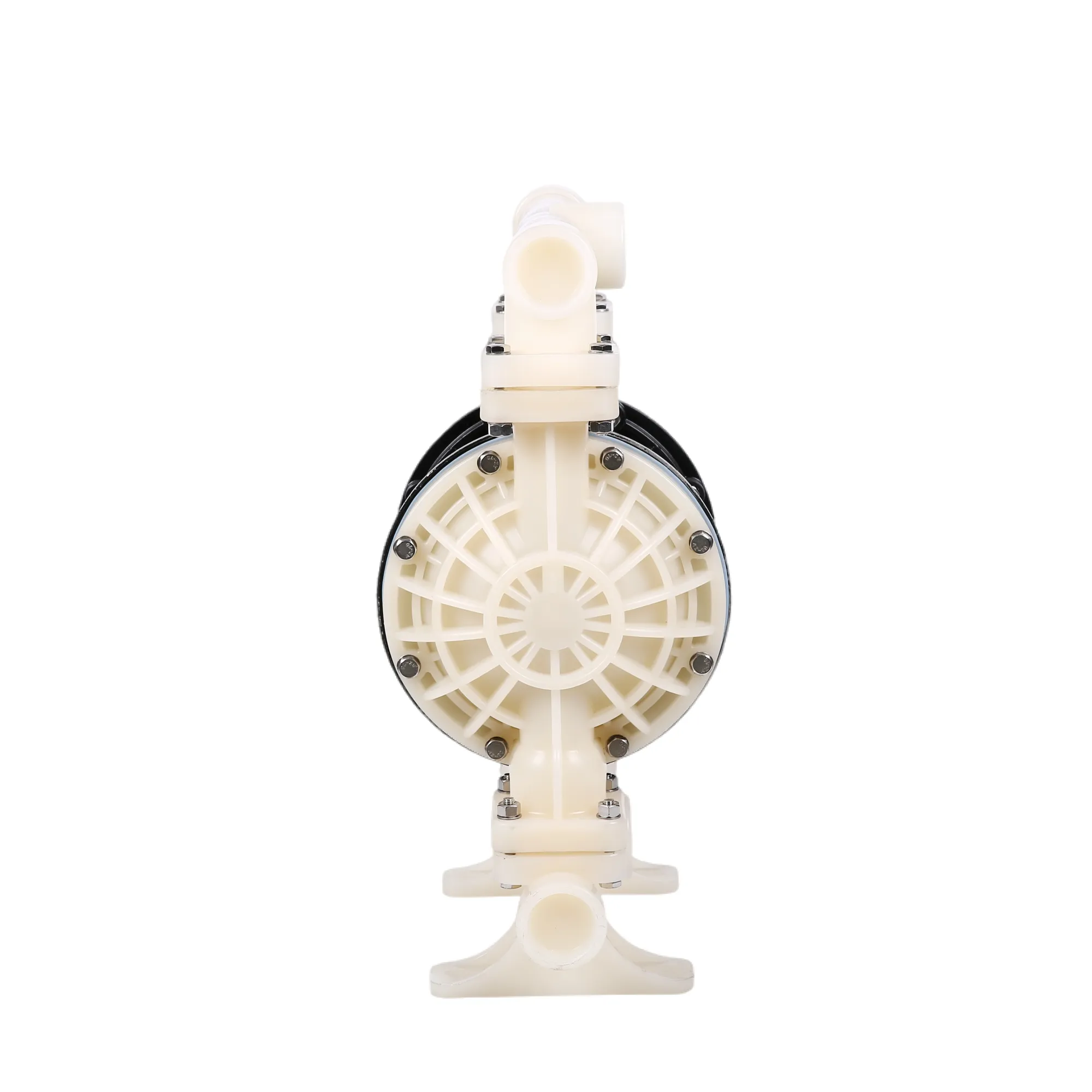
PTFE Pneumatic Diaphragm Pumps for Industrial Fluid Handling
Explore XSU Pump's industrial liquid-handling pump systems engineered for reliability. Trusted for chemical transfer, wastewater, and viscous fluid applications.
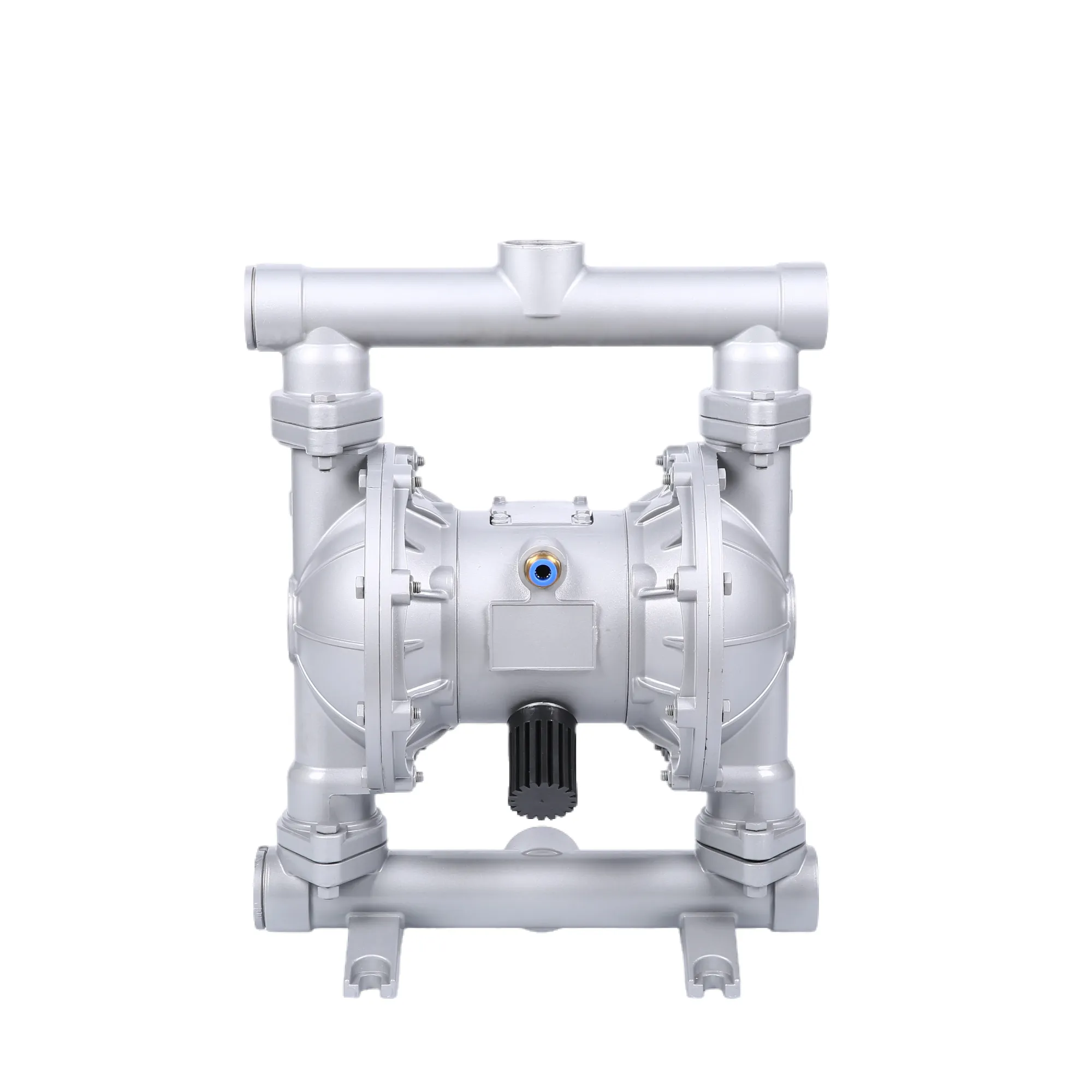
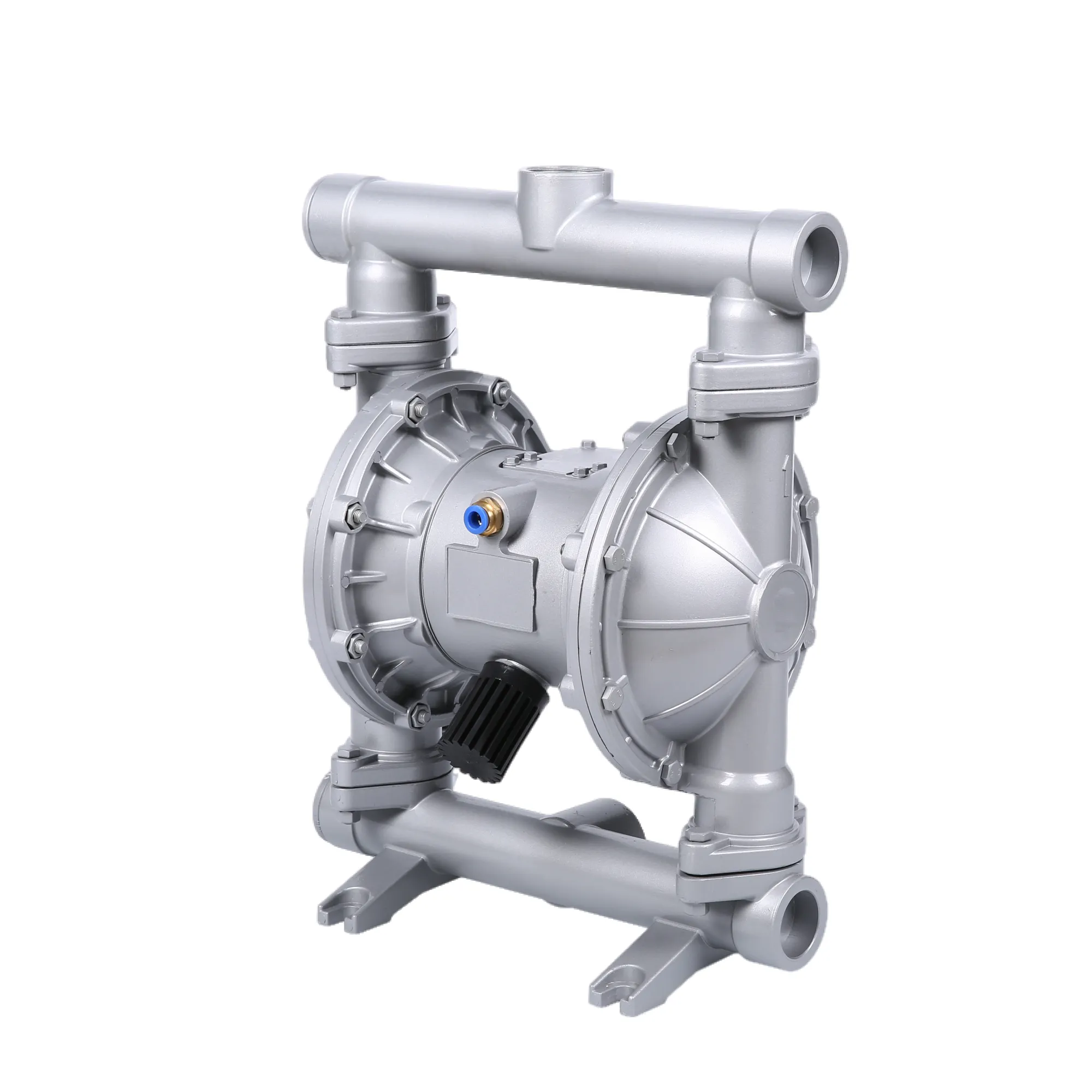
Aluminum Alloy Pneumatic Diaphragm Pump
Meta Description: XSU aluminum alloy pneumatic diaphragm pump offers light weight, self-priming air operation, flexible flow control, and reliable industrial fluid transfer.
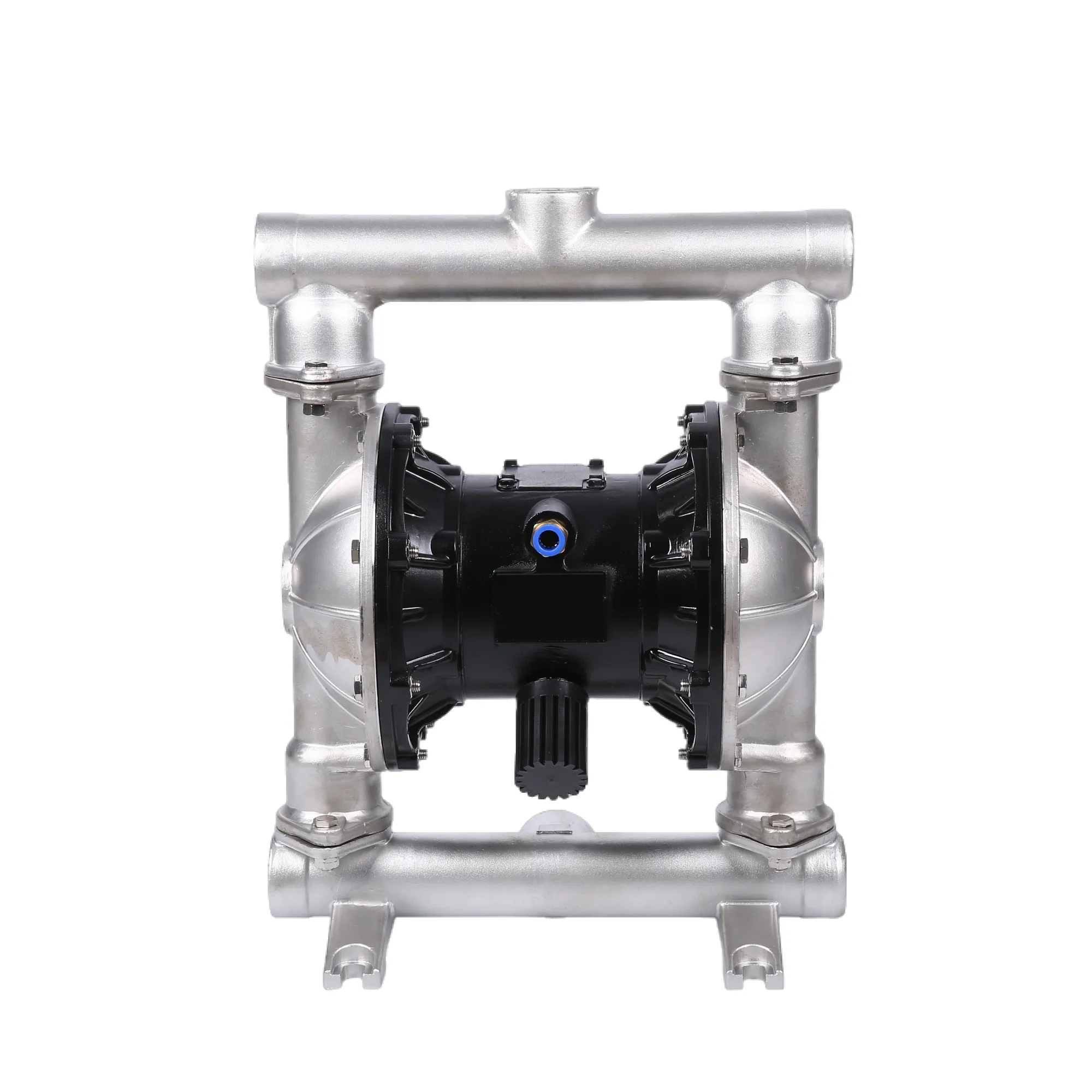
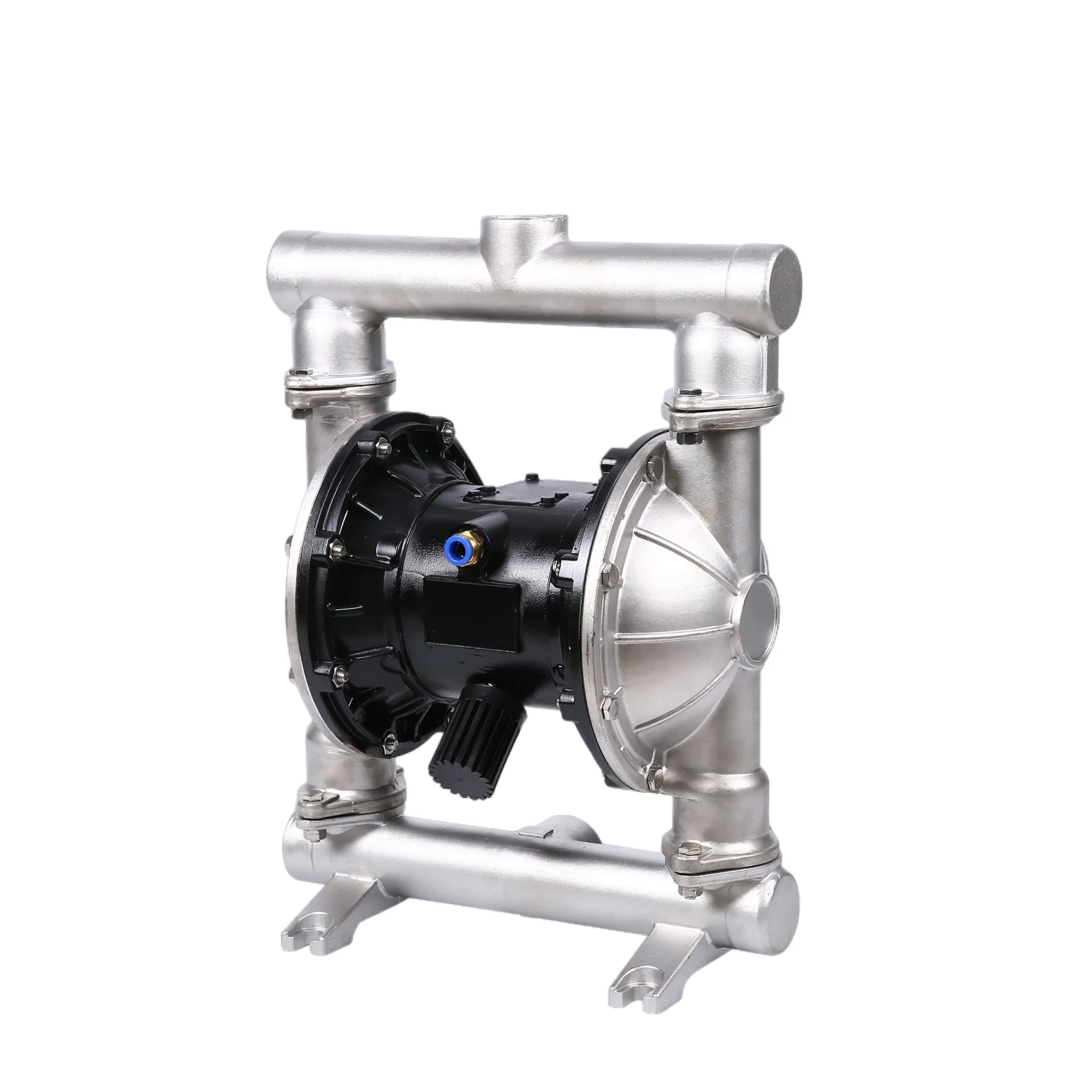
QBY Pneumatic Diaphragm Pump for Industrial Fluid Transfer
QBY3 pneumatic diaphragm pump is suitable for corrosive, viscous and particle-laden fluids. Multiple body and diaphragm materials are available with custom factory supply.


