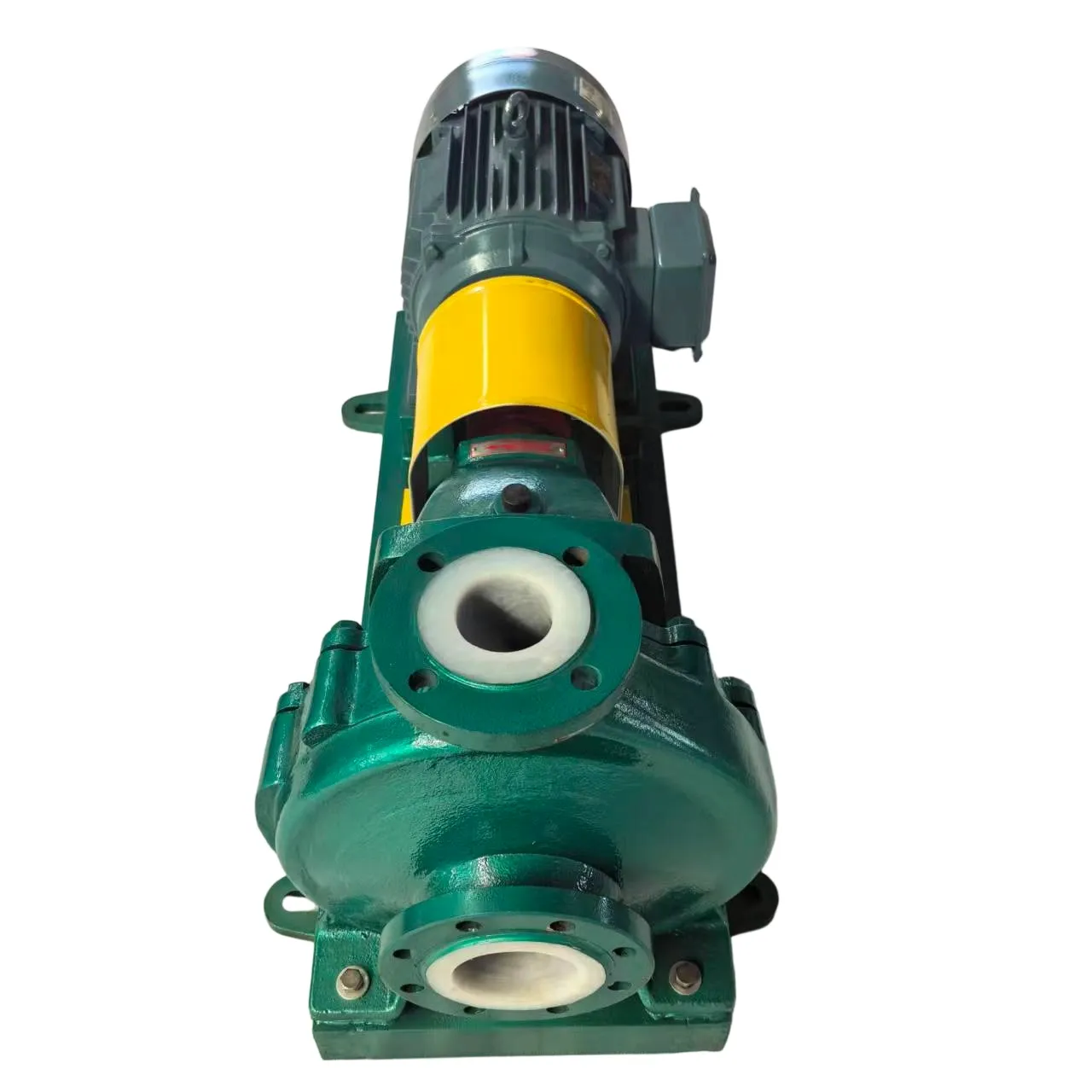
IHF Fluoroplastic-Lined Centrifugal Chemical Pump
Product Information
Model:
IHF
Flow capacity:
6.3–400 m³/h
Head:
5–80 m
Medium temperature:
-20°C to +100°C
Pump type:
Horizontal, single-stage, single-suction
Wetted material options:
F46 or PVDF


The IHF fluoroplastic-lined centrifugal chemical pump is designed for transferring highly corrosive industrial liquids. It combines the strength of a metal outer casing with the chemical resistance of fluoroplastic wetted parts. Therefore, it provides a practical solution for acids, alkalis, oxidizers, solvents, and other aggressive media.
This model is a horizontal, single-stage, single-suction centrifugal pump. The pump casing, cover, impeller, and other flow-contact components can use F46 or PVDF materials. In addition, a bellows-type mechanical seal helps control leakage and supports stable operation.
The IHF series is widely used in chemical processing, petroleum, pharmaceuticals, metallurgy, electroplating, surface treatment, dye production, and pesticide manufacturing.
IHF Chemical Pump Performance Range
The series includes several hydraulic sizes for different flow and pressure requirements.
| Parameter | Available Range |
| Flow capacity | 6.3–400 m³/h |
| Head | 5–80 m |
| Medium temperature | -20°C to +100°C |
| Pump type | Horizontal, single-stage, single-suction |
| Wetted material options | F46 or PVDF |
| Shaft seal | Bellows mechanical seal |
| Suction arrangement | Axial suction |
| Discharge arrangement | Vertical upward discharge |
| Drive method | Motor-driven through a coupling |
The exact motor power, rotational speed, inlet size, outlet size, and impeller diameter depend on the selected pump model and operating point.
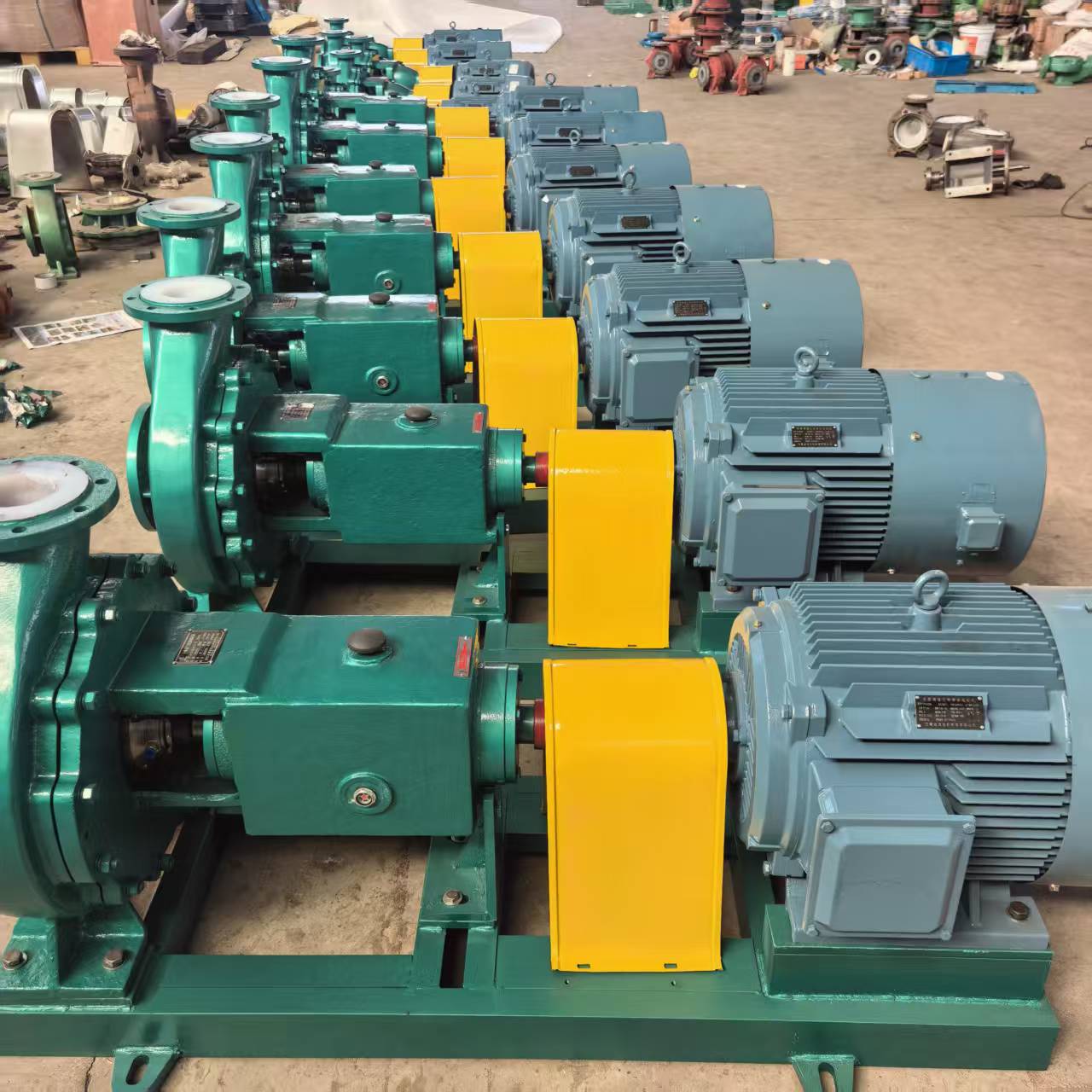
Fluoroplastic-Lined Flow Path
The IHF pump uses a strong metal casing as its structural support. Meanwhile, the internal surfaces that contact the liquid are protected by corrosion-resistant fluoroplastic.
This structure offers several benefits:
- The metal casing provides mechanical strength.
- The fluoroplastic lining separates corrosive liquid from the metal.
- Molded flow passages help reduce exposed joints.
- F46 and PVDF options support different chemical duties.
- The lined impeller and pump cover form a complete protected flow path.
The product images also show fluoroplastic protection inside the suction and discharge openings. However, the final material should always be selected according to the liquid, concentration, temperature, pressure, and operating time.
Designed for Corrosive Industrial Liquids
With the correct material and sealing configuration, the IHF fluoroplastic centrifugal pump can transfer many aggressive liquids, including:
- Sulfuric acid
- Hydrochloric acid
- Nitric acid
- Acetic acid
- Hydrofluoric acid
- Strong alkaline solutions
- Strong oxidizing liquids
- Reducing agents
- Organic solvents
- Corrosive chemical intermediates
Chemical names alone are not enough for safe selection. For example, concentration and temperature can greatly change material compatibility. Mixed chemicals may also behave differently from a single liquid.
Therefore, customers should provide complete medium data before ordering. Final compatibility should be confirmed for the lining, impeller, gasket, mechanical seal, and any other wetted components.
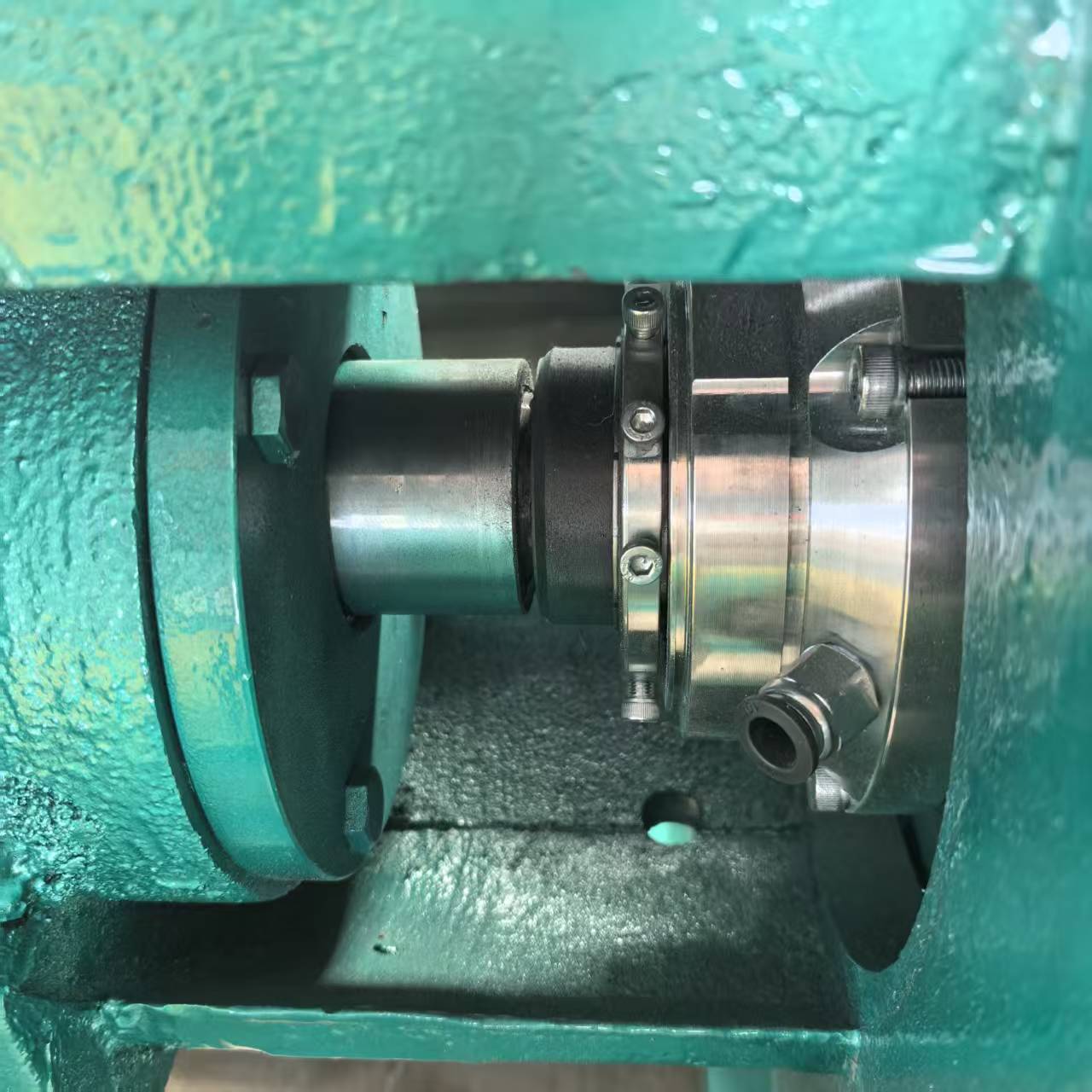
Bellows Mechanical Seal
The shaft seal is one of the most important parts of a chemical pump. The IHF series uses a bellows mechanical seal designed for corrosive service.
The bellows arrangement helps reduce direct contact between metal spring components and the process liquid. Moreover, it can compensate for limited axial movement while maintaining contact between the sealing faces.
This design provides:
- Reliable leakage control
- Good corrosion resistance
- Stable sealing pressure
- Reduced exposure of metal parts
- Convenient inspection and replacement
- Support for continuous industrial operation
The mechanical seal is best suited to clean media without suspended solids. As a result, the pipeline and storage tank should be flushed before startup. A suitable inlet filter may also be required when foreign particles could enter the pump.
Stable and Serviceable Pump Structure
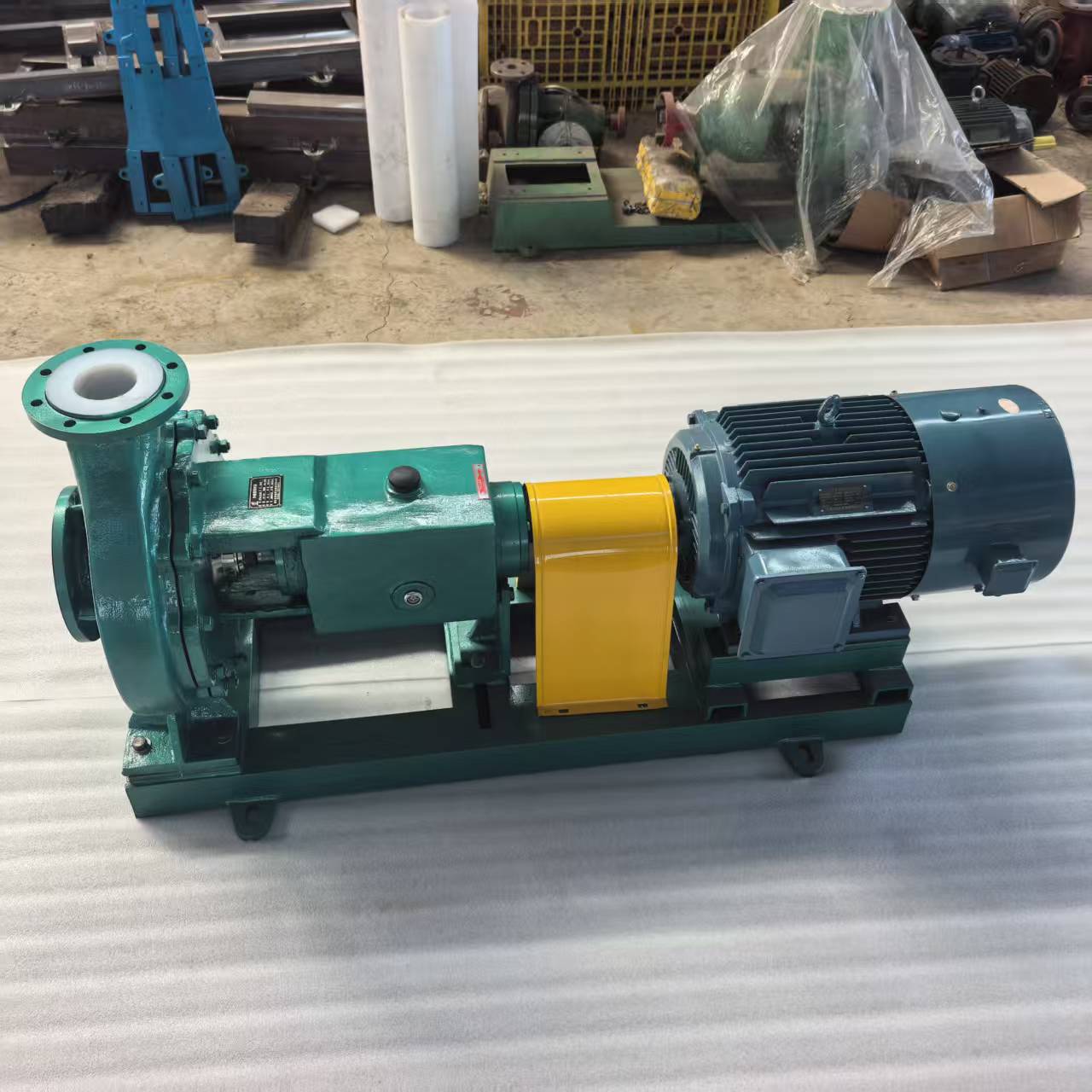
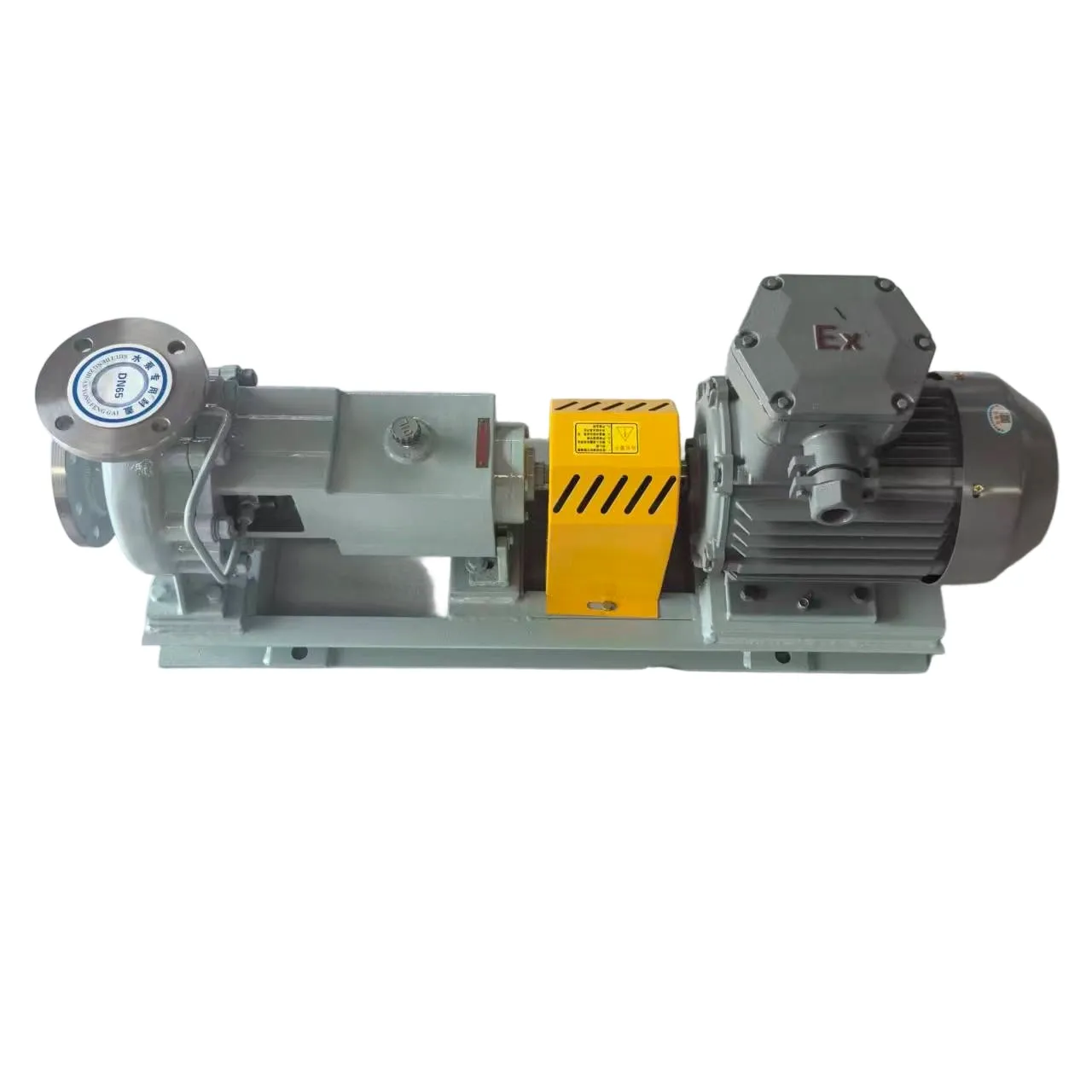
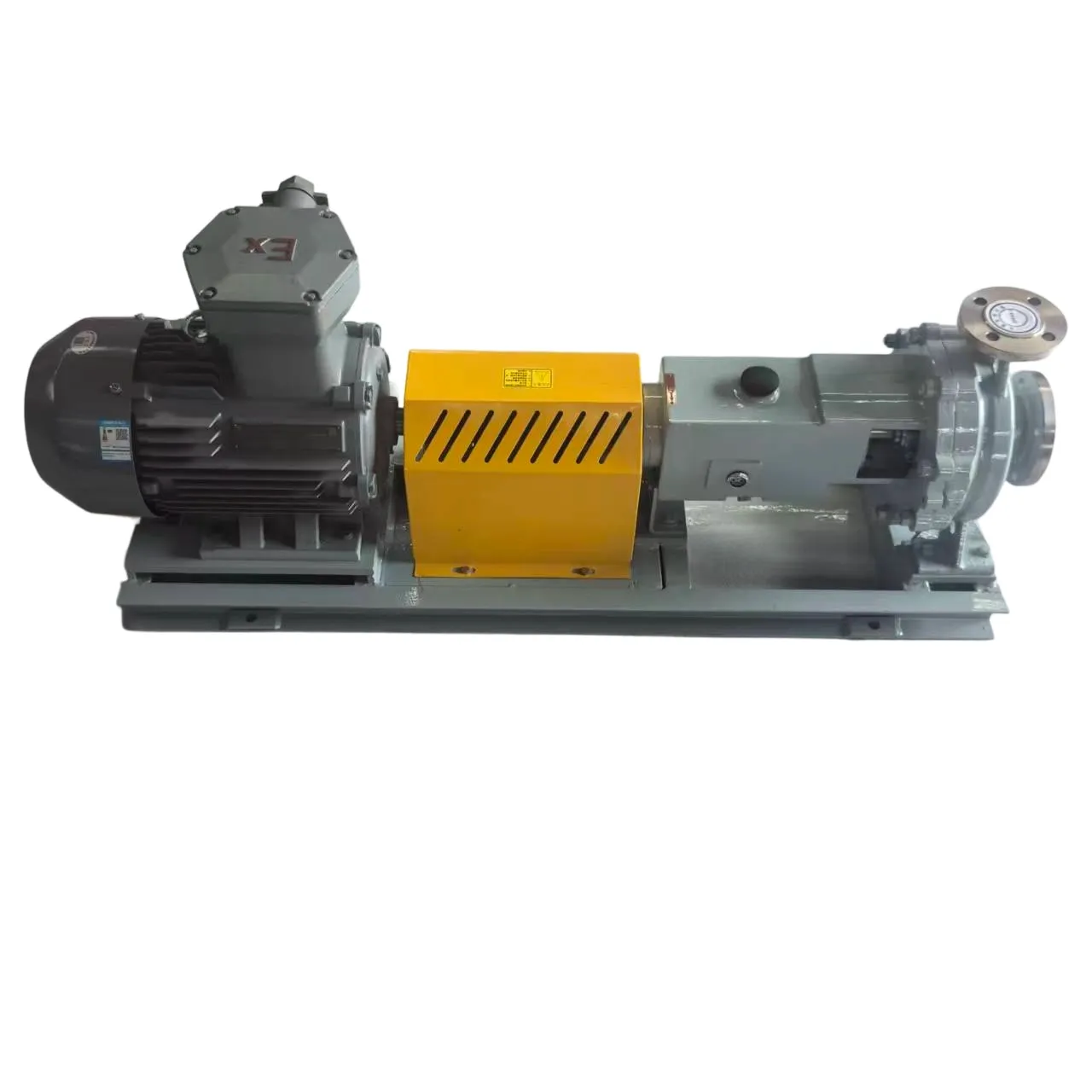
The IHF chemical pump mainly consists of a pump casing, impeller, pump cover, sealing assembly, shaft, bearing bracket, and coupling.
The horizontal base-mounted design supports stable installation and alignment. Meanwhile, the coupling guard helps protect personnel from rotating parts during normal operation.
The pump structure also allows the rotating and sealing components to be inspected without replacing the complete unit. Therefore, routine maintenance can focus on the mechanical seal, bearings, coupling, impeller, and lined surfaces.
During disassembly, fluoroplastic components must be handled carefully. Hard tools or strong impact should not be used on sealing faces or lined surfaces.
Applications of the IHF Centrifugal Chemical Pump
The IHF series can be used for chemical transfer, circulation, loading, unloading, and process feed duties in:
- Chemical manufacturing plants
- Pharmaceutical production
- Oil and petrochemical facilities
- Metallurgical processing
- Acid washing and pickling lines
- Electroplating plants
- Textile dyeing operations
- Pesticide production
- Wastewater treatment
- Chemical storage systems
It may also serve as an alternative to selected FSB fluoroplastic pumps or IH chemical centrifugal pumps. However, hydraulic performance, installation dimensions, flange sizes, materials, and seal requirements must be checked before replacement.
Manufacturer Selection and Configuration Support
The manufacturer can configure the IHF pump according to the buyer’s process requirements. Available support may include pump sizing, impeller selection, lining material selection, motor matching, mechanical seal configuration, and base assembly.
To prepare an accurate proposal, please provide:
- Required flow and head
- Liquid name and chemical composition
- Concentration and pH value
- Operating and maximum temperature
- Density and viscosity
- Suction pressure or liquid level
- Presence of solids or crystals
- Motor voltage and frequency
- Indoor or outdoor installation
- Required control and protection level
Complete operating data helps the manufacturer avoid oversized equipment and unsuitable material combinations. It also supports better efficiency and longer service life.
Installation and Operating Notes
The pump and motor should be mounted on a firm, level foundation. In addition, the suction and discharge pipes should have separate supports so that pipeline weight does not load the pump casing.
Before startup, the pump and suction pipe must be completely filled with liquid. The pump must not run dry because dry operation can quickly damage the mechanical seal and fluoroplastic components.
Operators should also monitor flow, discharge pressure, vibration, noise, bearing temperature, and seal leakage. If abnormal conditions occur, the pump should be stopped for inspection.
Frequently Asked Questions
Can the IHF pump handle solid particles?
The standard pump and mechanical seal are intended for clean liquids without suspended solids. Particle-containing media require a technical review.
What is the difference between F46 and PVDF?
Both are corrosion-resistant fluoroplastics. However, their chemical resistance, temperature range, and mechanical properties differ. Selection depends on the actual liquid and operating conditions.
Can the pump transfer concentrated acid?
It can handle many acidic liquids, but compatibility must be confirmed using the acid type, concentration, temperature, and expected operating period.
What is the operating temperature range?
The documented range is -20°C to +100°C. Actual limits depend on the lining, seal, and process conditions.
What information is needed for pump selection?
Please provide the flow, head, liquid composition, concentration, temperature, density, viscosity, suction conditions, and motor requirements.
Recommended products
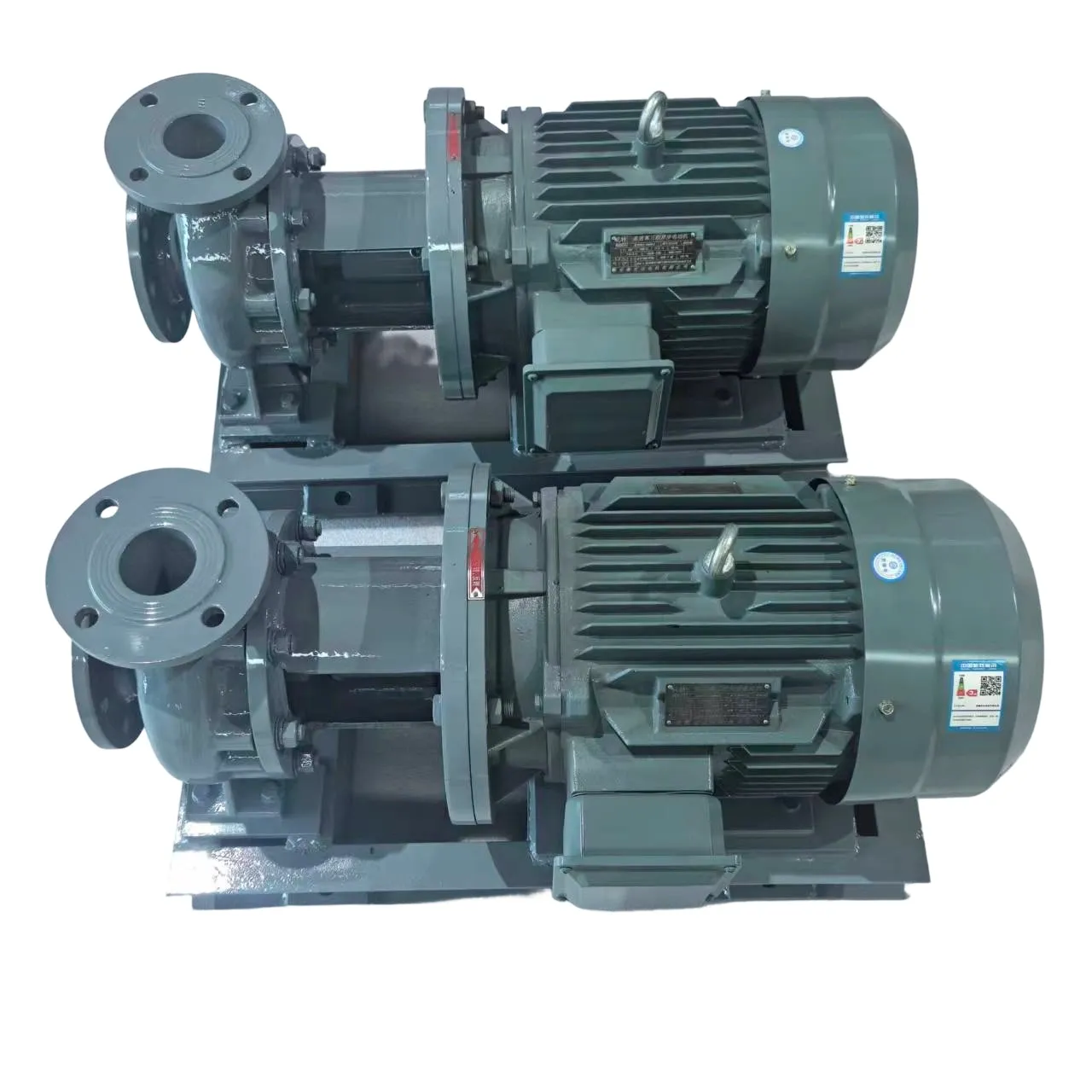
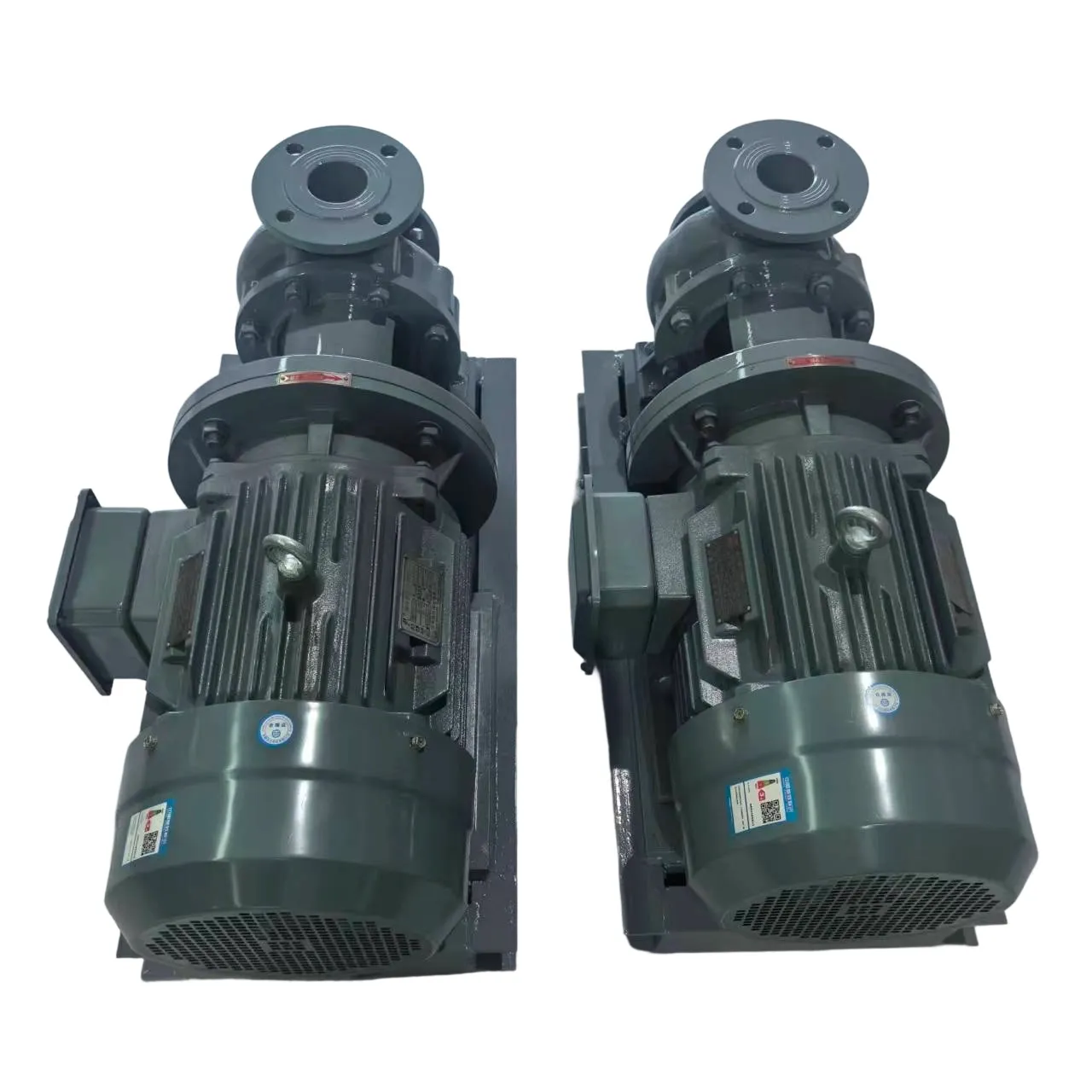
Horizontal Direct-Connect Centrifugal Chemical Pump
Compact horizontal direct-connect centrifugal chemical pump for corrosive liquids, with custom stainless steel materials, seals, motors, and hydraulic sizes.
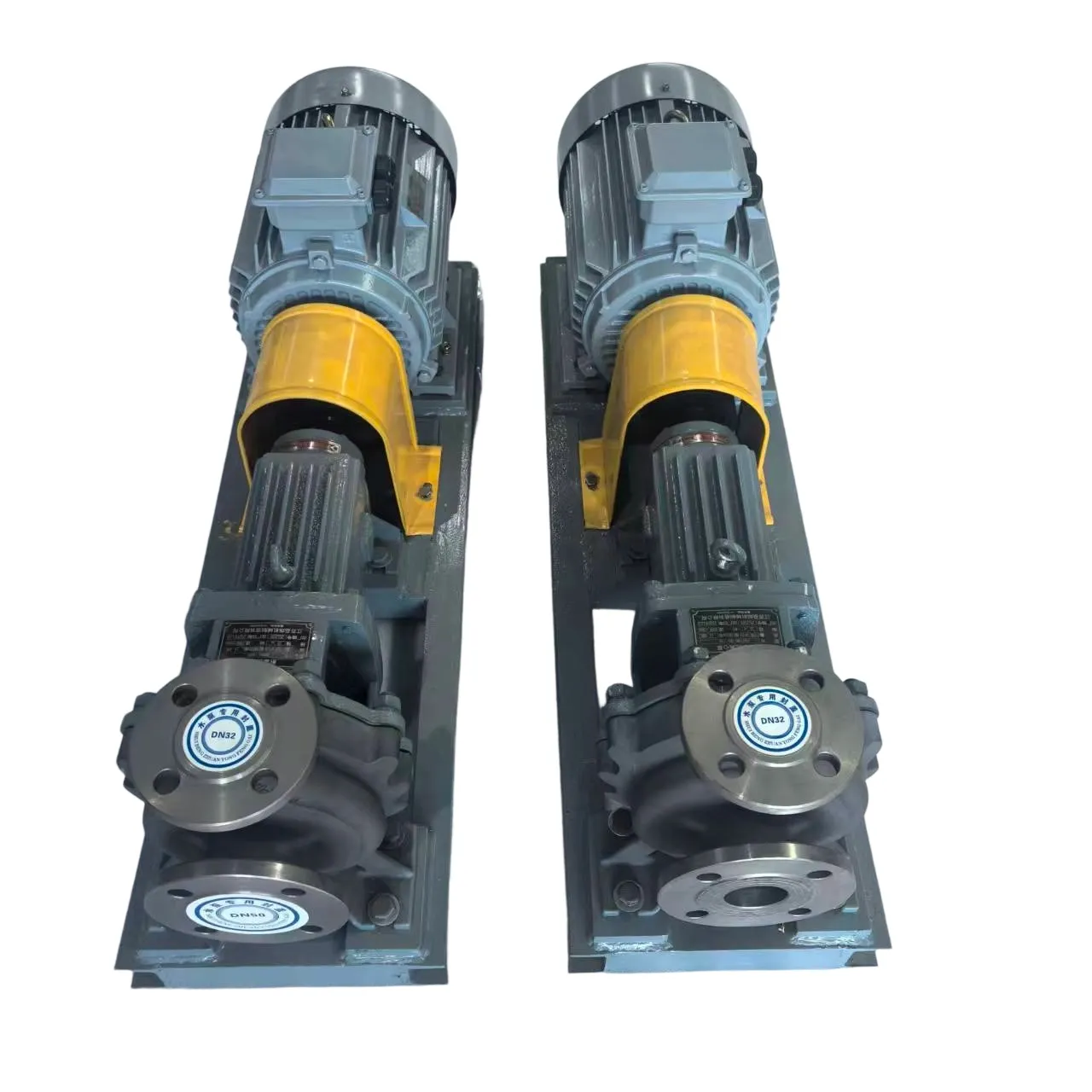
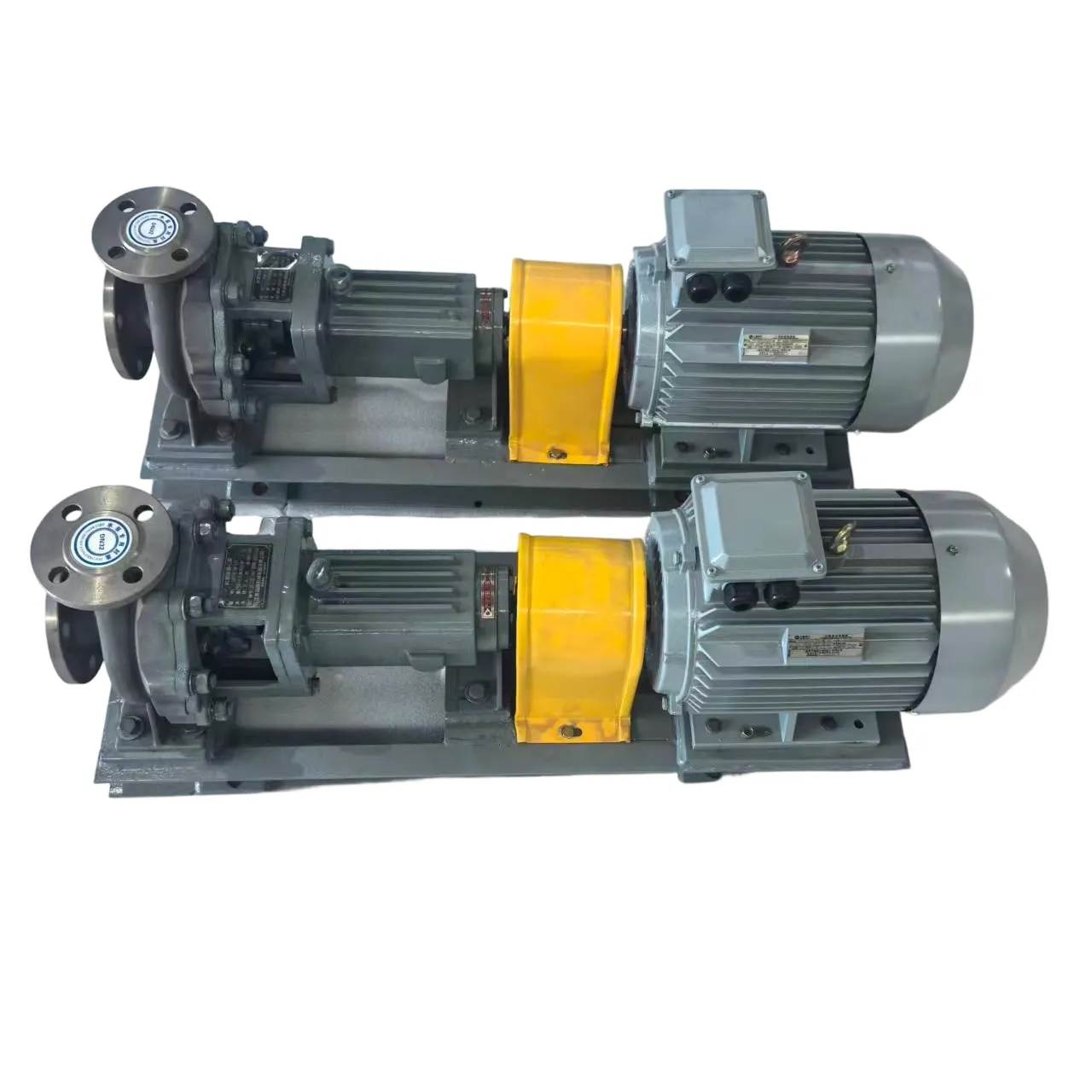
IH Centrifugal Chemical Pumps
IH centrifugal chemical pumps for acids, alkalis, solvents, and industrial process liquids. Available with custom materials, seals, motors, and sizes.
HJ Centrifugal Chemical Pump
HJ centrifugal chemical pump for corrosive, toxic, flammable, and particle-containing liquids. Custom materials, seals, motors, and performance.
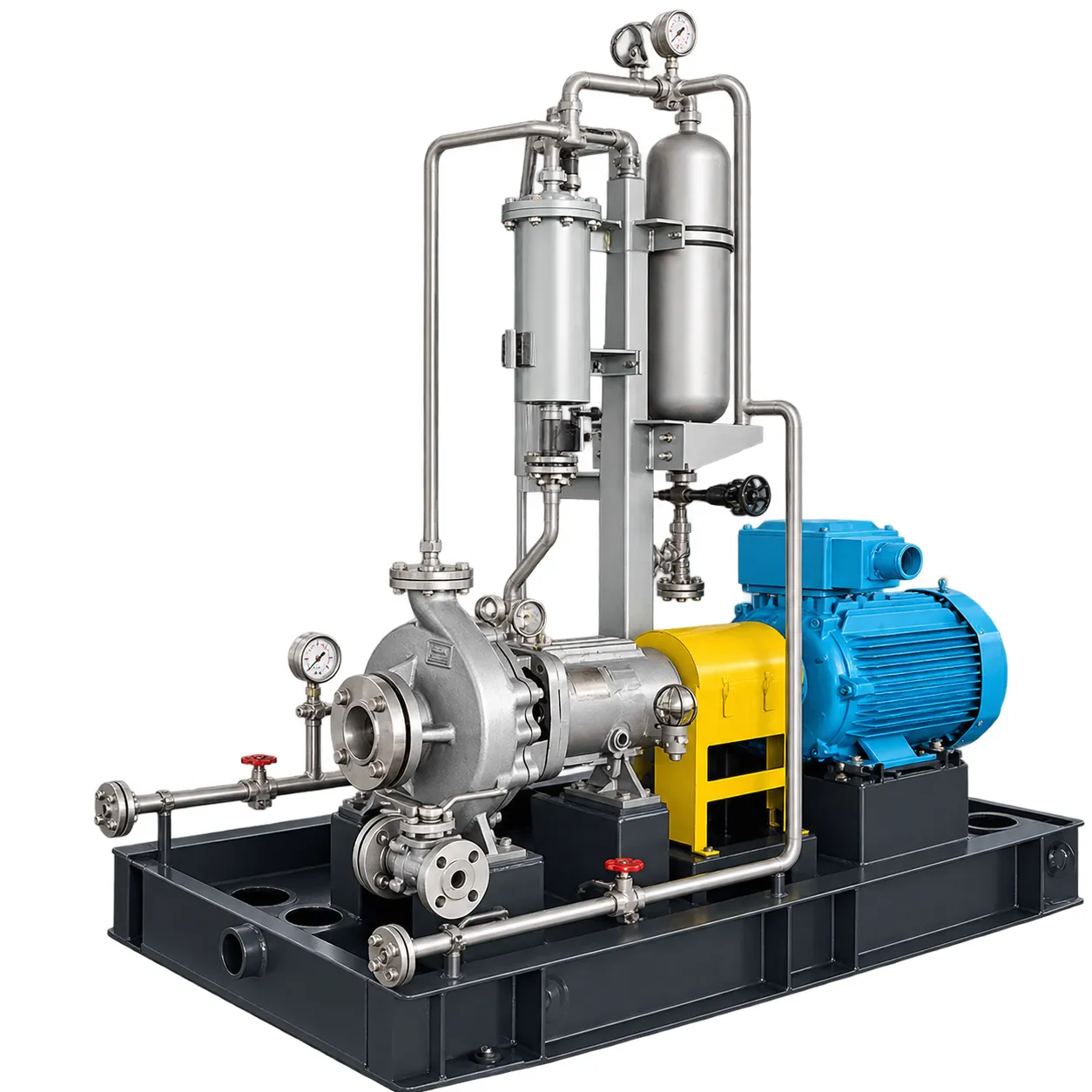
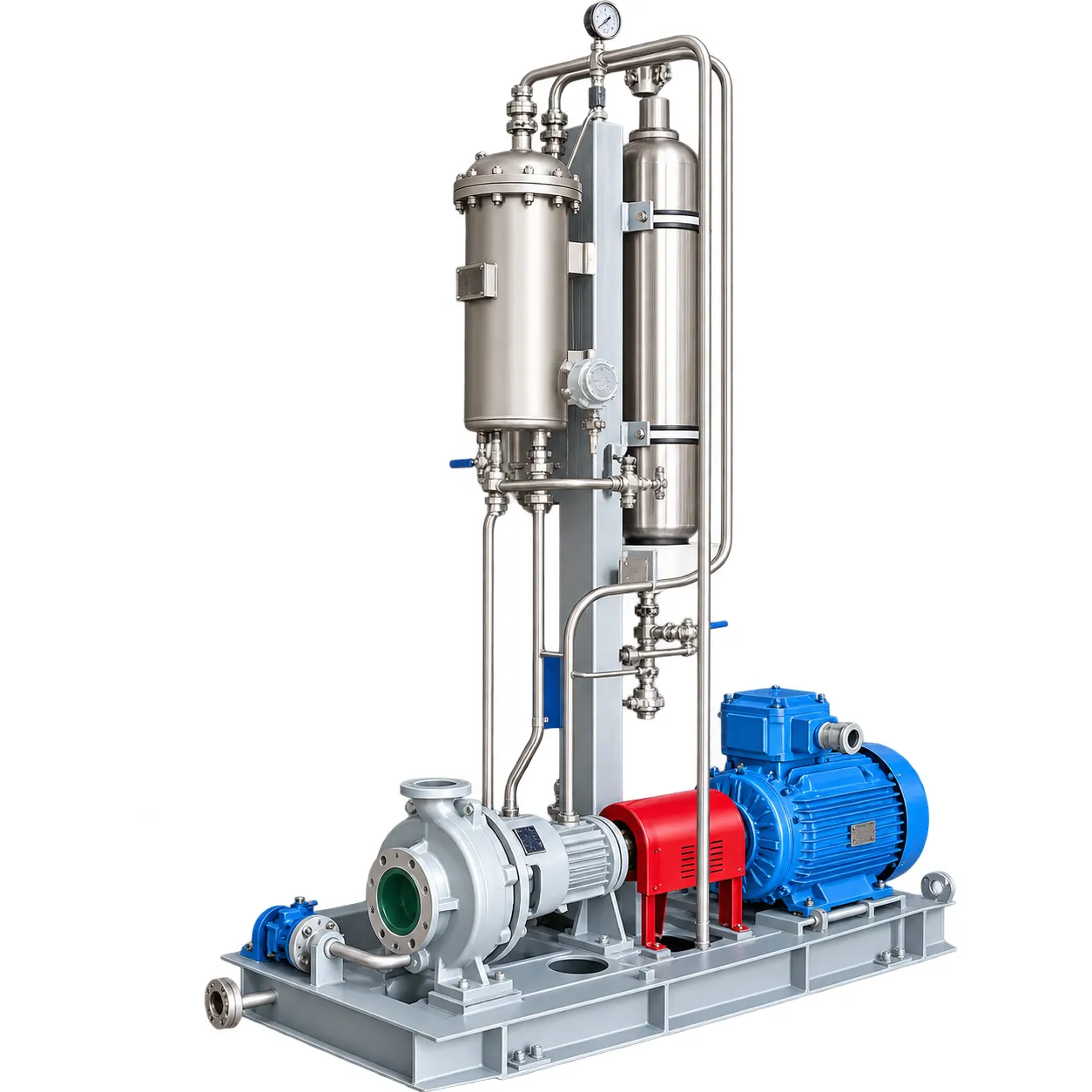
API 682 Plan 53A and 53B Chemical Pump System
API 682 Plan 53A and 53B seal support systems for ZA, ZE, and IH chemical pumps handling toxic, flammable, and corrosive liquids.


