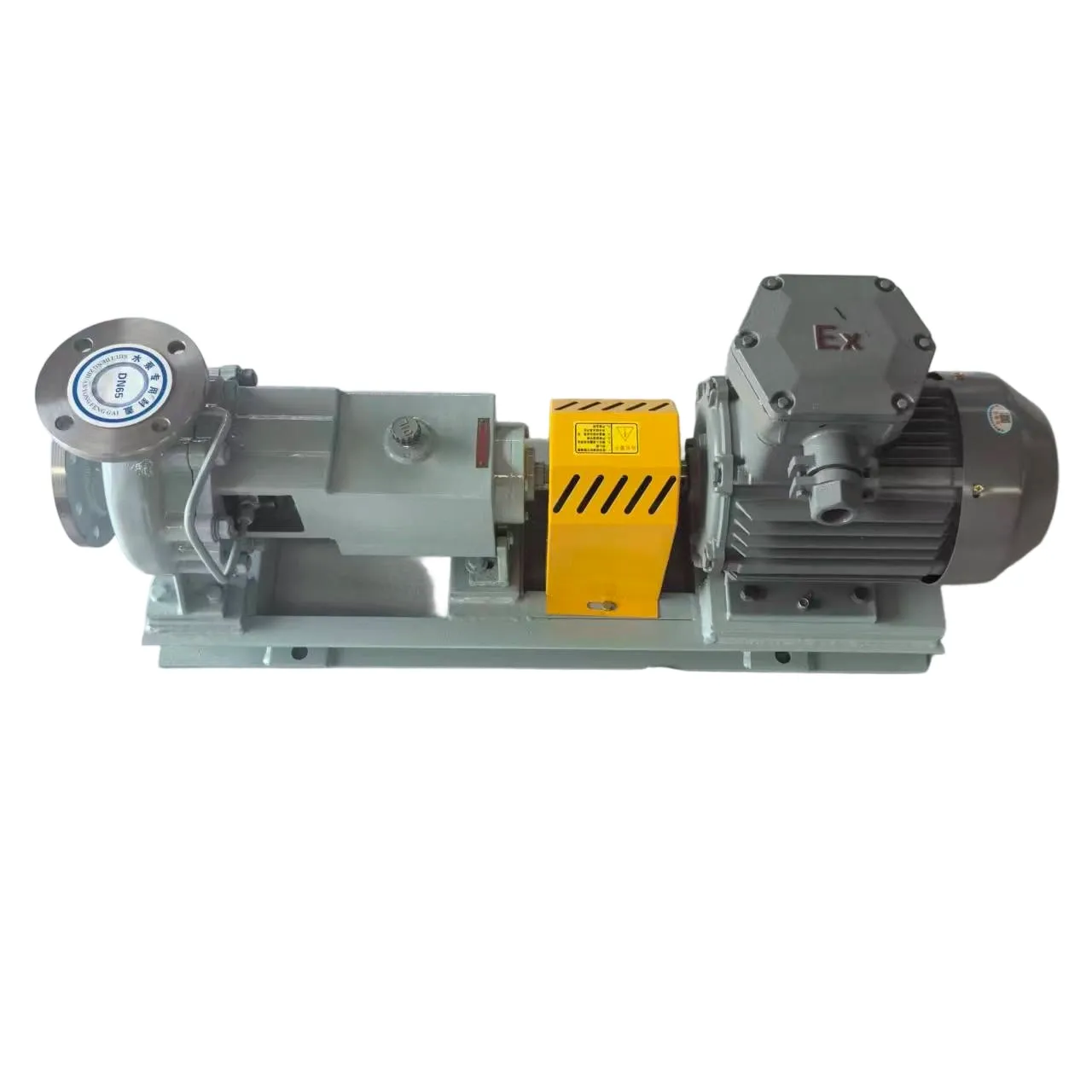
HJ Centrifugal Chemical Pump
Product Information
Pump type:
Horizontal single-stage centrifugal pump
Structure:
Single-suction, cantilever design
Flow capacity:
1.6–460 m³/h
Head:
4–132 m
Motor power:
0.44–78 kW
Maximum working pressure:
1.6 MPa at 20°C


The HJ centrifugal chemical pump is a horizontal, single-stage, single-suction pump for industrial chemical transfer. It is an improved version of the traditional IH chemical pump. Therefore, it offers a strong structure, stable performance, and easier maintenance.
The pump can transfer corrosive, toxic, flammable, and other demanding liquids. Selected models can also handle liquids that contain fine particles. As a chemical pump manufacturer, we match the hydraulic size, wetted material, shaft seal, motor, and base to each process.
The product shown has a DN90 suction flange, a DN65 discharge flange, and an explosion-proof motor. However, the final flow, head, and motor power must follow the selected performance curve.
Technical Specifications
| Parameter | Typical Series Range |
| Pump type | Horizontal single-stage centrifugal pump |
| Structure | Single-suction, cantilever design |
| Flow capacity | 1.6–460 m³/h |
| Head | 4–132 m |
| Motor power | 0.44–78 kW |
| Maximum working pressure | 1.6 MPa at 20°C |
| Liquid temperature | −40°C to 180°C |
| Allowable liquid density | Up to 1.84 g/cm³ |
| Design reference | ISO 2858 and GB/T 5656 |
| Shaft seal | Packing or mechanical seal |
| Motor options | Standard or explosion-proof motor |
| Installation | Horizontal base-mounted unit |
| Visible flange size | DN90 inlet × DN65 outlet |
These figures describe the general product range. Actual capacity depends on the pump model, speed, impeller size, liquid density, viscosity, temperature, and suction conditions.
Durable Chemical Process Pump Design
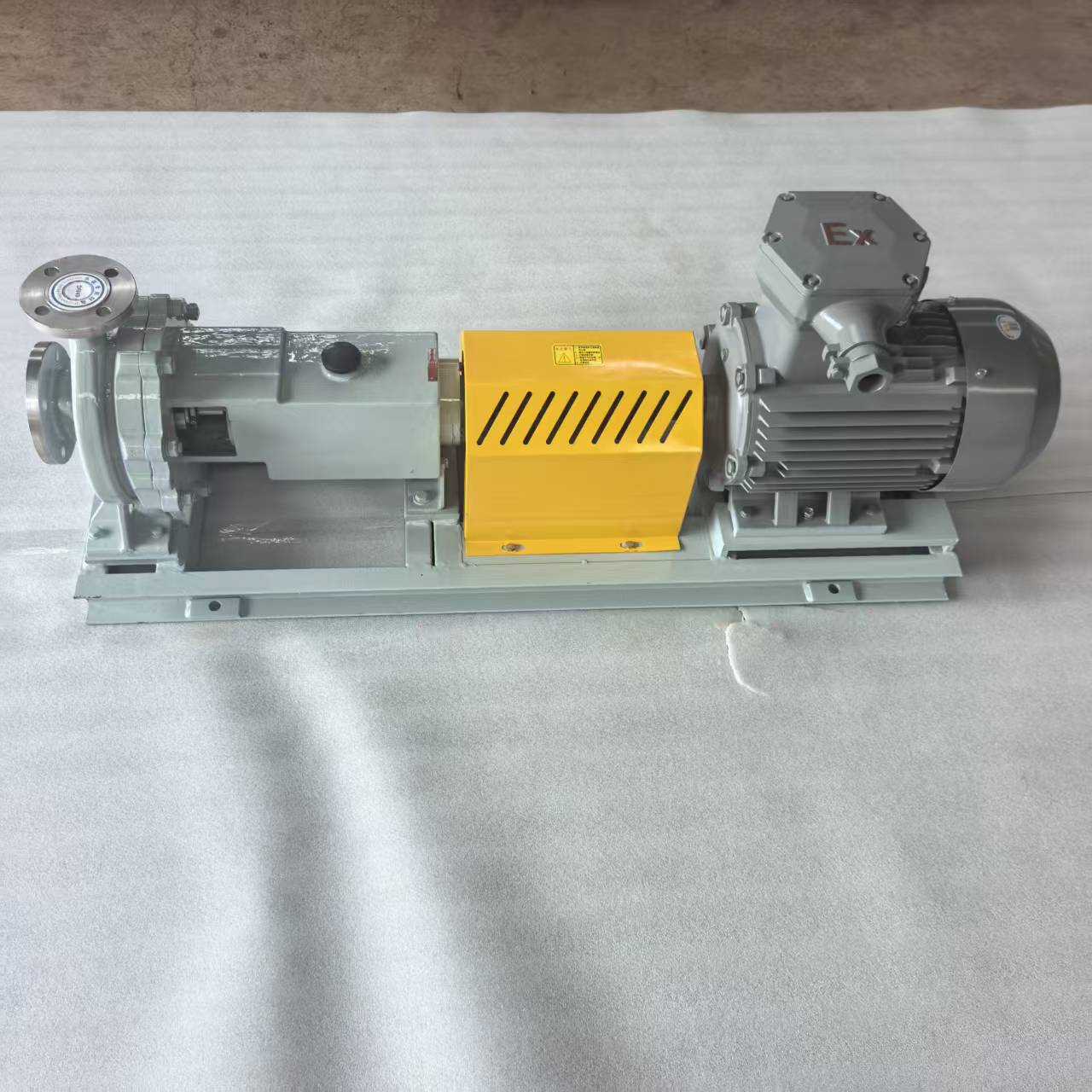
Liquid enters through the horizontal axial inlet. The rotating impeller then adds energy to the liquid. Next, the volute casing collects the flow and guides it to the top discharge flange.
The main parts include:
- Pump casing
- Closed or semi-open impeller
- Pump cover
- Shaft and shaft sleeve
- Mechanical seal or packing
- Bearing housing
- Flexible coupling
- Coupling guard
- Electric motor
- Steel baseplate
This layout keeps the pump stable during continuous service. Moreover, the separate bearing housing supports the shaft and helps control vibration.
Materials for Corrosive Liquids
Different chemicals require different wetted materials. Therefore, material selection should be based on the full liquid composition, concentration, temperature, and particle content.
Available materials may include:
- Carbon steel
- 304 or 304L stainless steel
- 316 or 316L stainless steel
- Alloy 20
- Duplex stainless steel
- Monel alloy
- Titanium
- Other corrosion-resistant alloys
The casing, impeller, shaft, sleeve, seal faces, and gaskets should all suit the liquid. This complete approach helps reduce corrosion, swelling, wear, and early seal failure.
Mechanical Seal and Packing Options
The HJ centrifugal chemical pump can use packing or a mechanical seal. Packing is simple and works well in selected general duties. However, a mechanical seal provides better leakage control for many chemical processes.
Single and double mechanical seal arrangements can be supplied according to the medium. In addition, seal face materials such as silicon carbide, carbon, tungsten carbide, and ceramic may be selected.
For toxic, flammable, or crystallizing liquids, the seal system requires a detailed review. Flushing, cooling, or an external seal-support system may also be added when required.
Explosion-Proof Motor Configuration
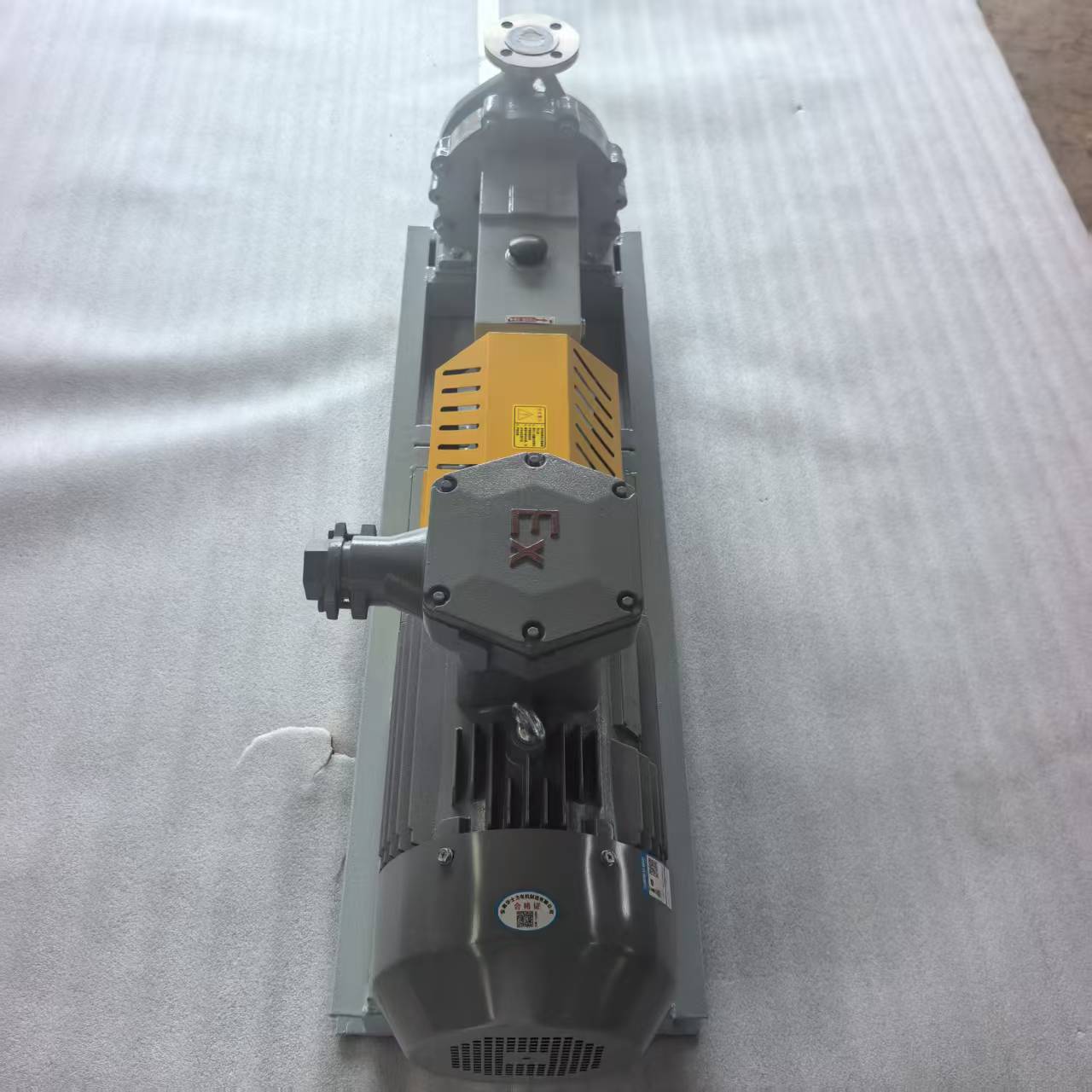
The pump in the photos uses an explosion-proof motor. This option is suitable for plants where flammable gas or vapor may be present.
Motor voltage, frequency, efficiency class, protection grade, and hazardous-area rating can be matched to the project. Furthermore, a variable-frequency drive can be used when the process needs adjustable flow or pressure.
The motor power must include enough margin for the actual liquid density. A dense chemical requires more shaft power than clean water at the same duty point.
Main Product Benefits
- Wide flow and head range
- Strong horizontal pump structure
- Good resistance to chemical corrosion
- Several metal material options
- Packing and mechanical seal choices
- Standard or explosion-proof motor
- Stable performance during continuous duty
- Easy access to common service parts
- Custom flange and motor standards
- Suitable for many industrial liquids
Chemical Pump Applications
The HJ pump is used in many process industries, including:
- Chemical and fine chemical production
- Oil refining and petrochemical plants
- Pharmaceutical manufacturing
- Pesticide and fertilizer production
- Metal pickling and electroplating
- Paper and pulp processing
- Steel and non-ferrous metal plants
- Power station water systems
- Waste acid and wastewater treatment
- Solvent and alcohol transfer
- Food and sugar processing
- Industrial water treatment
Selected configurations may handle liquids with fine solids. However, particle size, hardness, and concentration must be checked before selection. Highly abrasive slurry may require a dedicated slurry pump.
Installation and Operation
Install the pump on a level and rigid foundation. Meanwhile, support the inlet and outlet pipes separately so that pipe weight does not load the pump casing.
The suction pipe should be short, direct, and airtight. Before startup, fill the pump and suction line with liquid because the HJ pump is not self-priming.
Operators should also:
- Check the motor rotation
- Confirm coupling alignment
- Open the suction valve fully
- Vent trapped air from the casing
- Never operate the pump dry
- Avoid long operation with a closed discharge valve
- Monitor vibration, seal leakage, and bearing temperature
- Keep the pump close to its selected duty point

Custom Manufacturing Service
We provide pump selection, material matching, seal design, motor configuration, assembly, testing, and export packing. Custom flange standards, base dimensions, coatings, and monitoring devices are also available.
For accurate selection, please provide:
- Liquid name and composition
- Concentration and temperature
- Density and viscosity
- Particle size and solid content
- Required flow and head
- Suction pressure or tank level
- Motor voltage and frequency
- Hazardous-area requirements
- Required seal type
- Daily operating hours
With complete process data, we can recommend a suitable HJ centrifugal chemical pump for safe and reliable service.
Frequently Asked Questions
Can the HJ pump transfer strong acids?
Yes, if the wetted material and seal are compatible with the acid, concentration, and temperature.
Is the pump self-priming?
No. The casing and suction line must be filled before startup.
Can it handle liquids containing solids?
Selected models can handle fine particles. However, the particle size, hardness, and concentration require review.
Can an explosion-proof motor be supplied?
Yes. The motor can be selected according to the required voltage, frequency, protection level, and hazardous-area rating.
Request an HJ Chemical Pump Quotation
Send us your process data and required duty point. Our team will recommend the pump size, material, seal, motor, and accessories for your chemical transfer system.
Recommended products
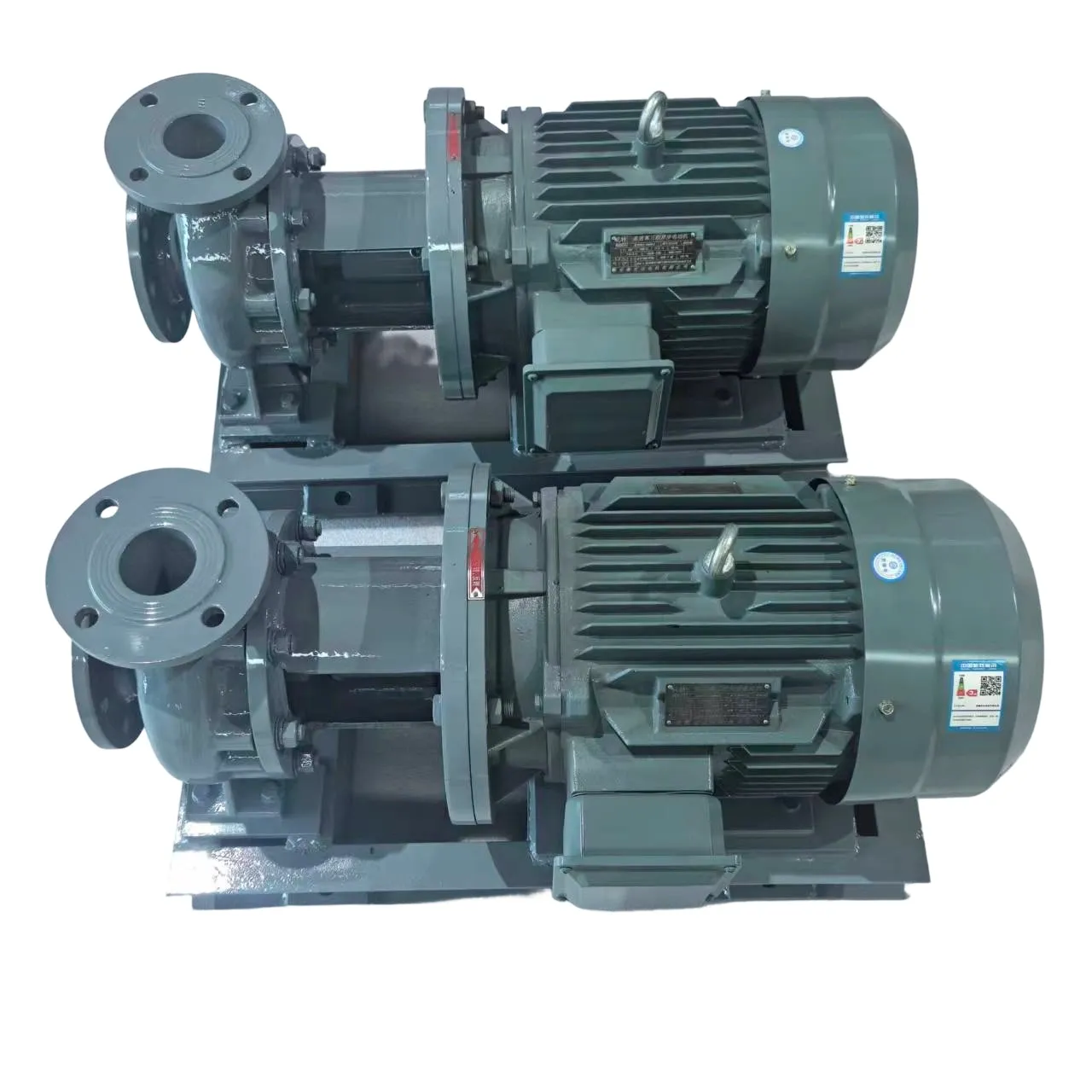
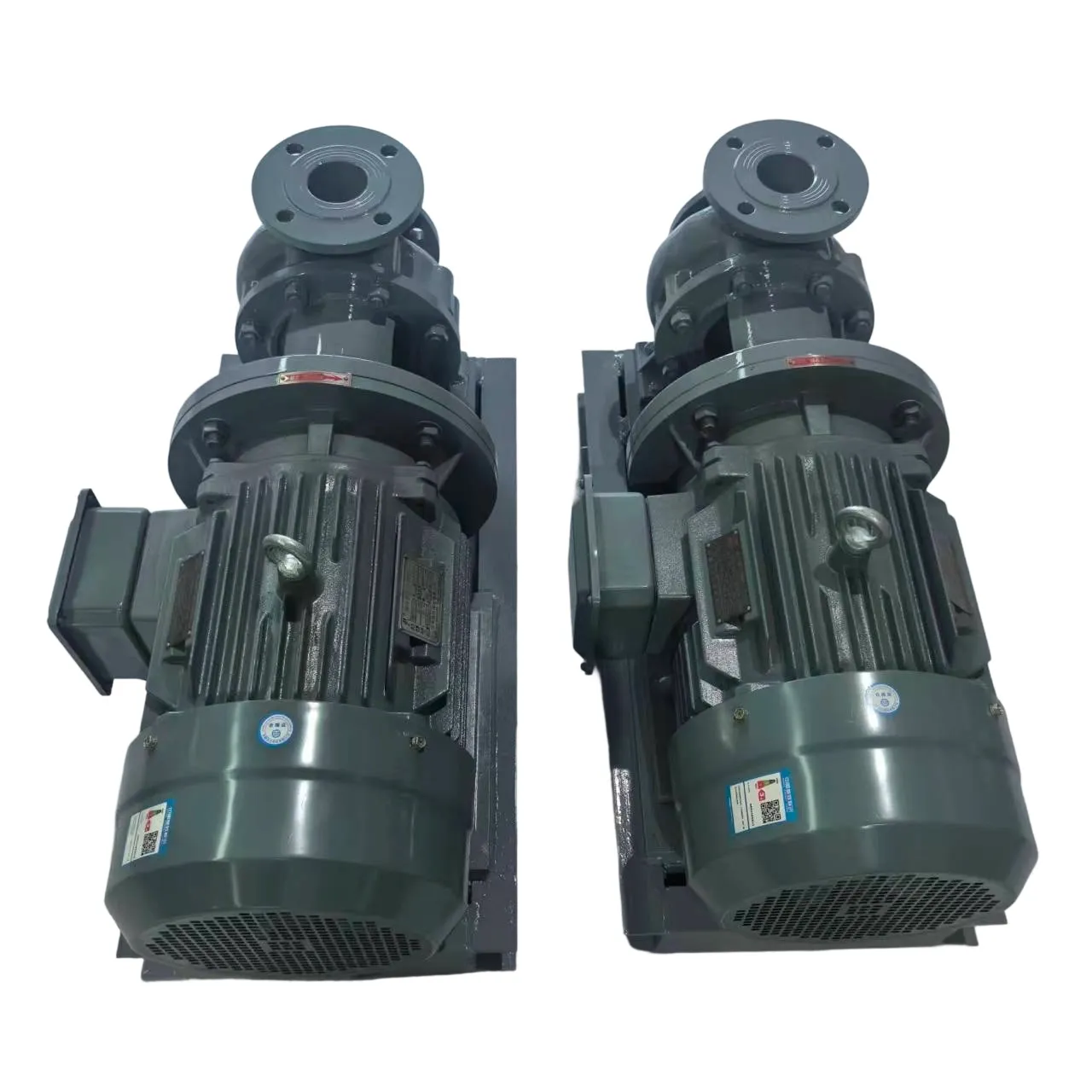
Horizontal Direct-Connect Centrifugal Chemical Pump
Compact horizontal direct-connect centrifugal chemical pump for corrosive liquids, with custom stainless steel materials, seals, motors, and hydraulic sizes.
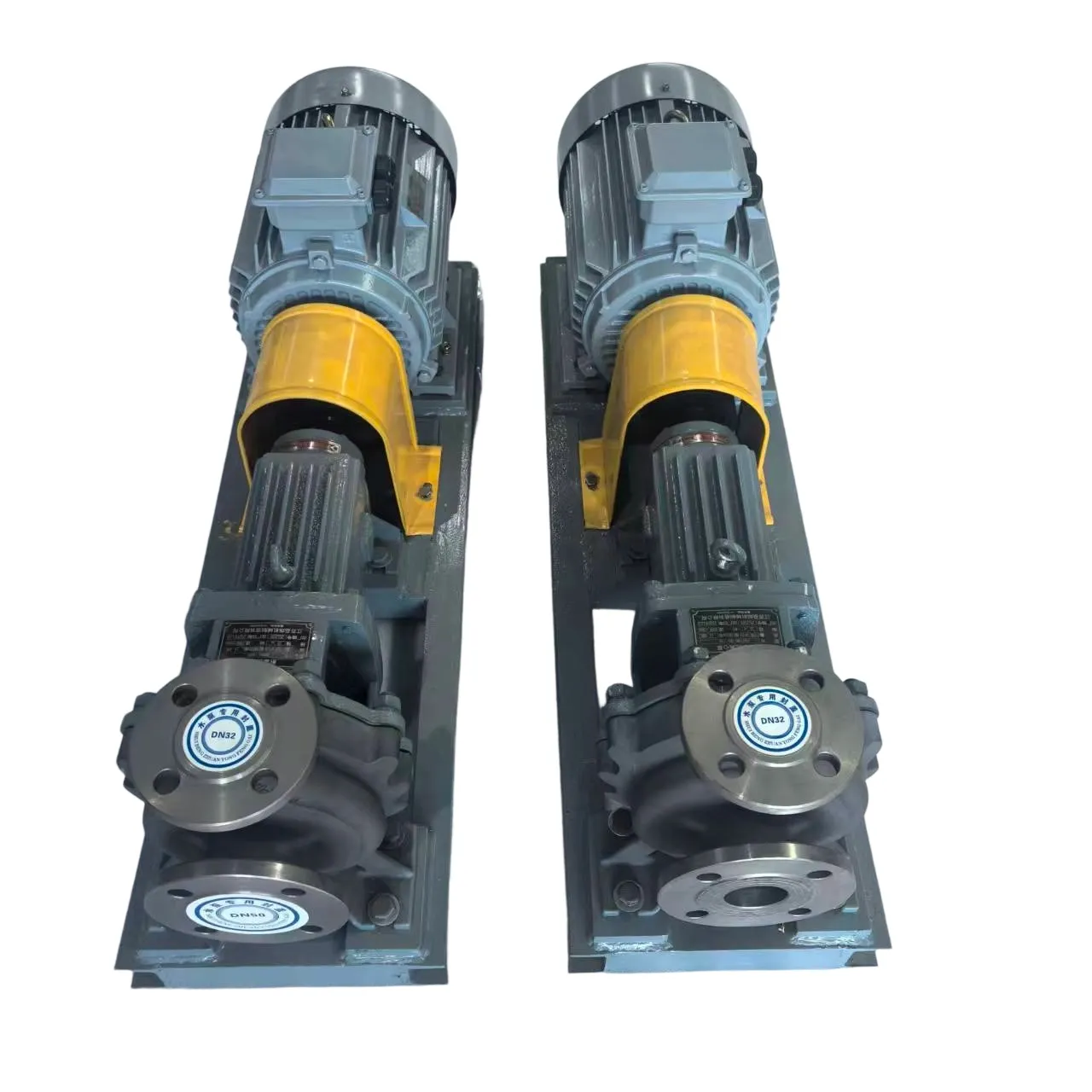
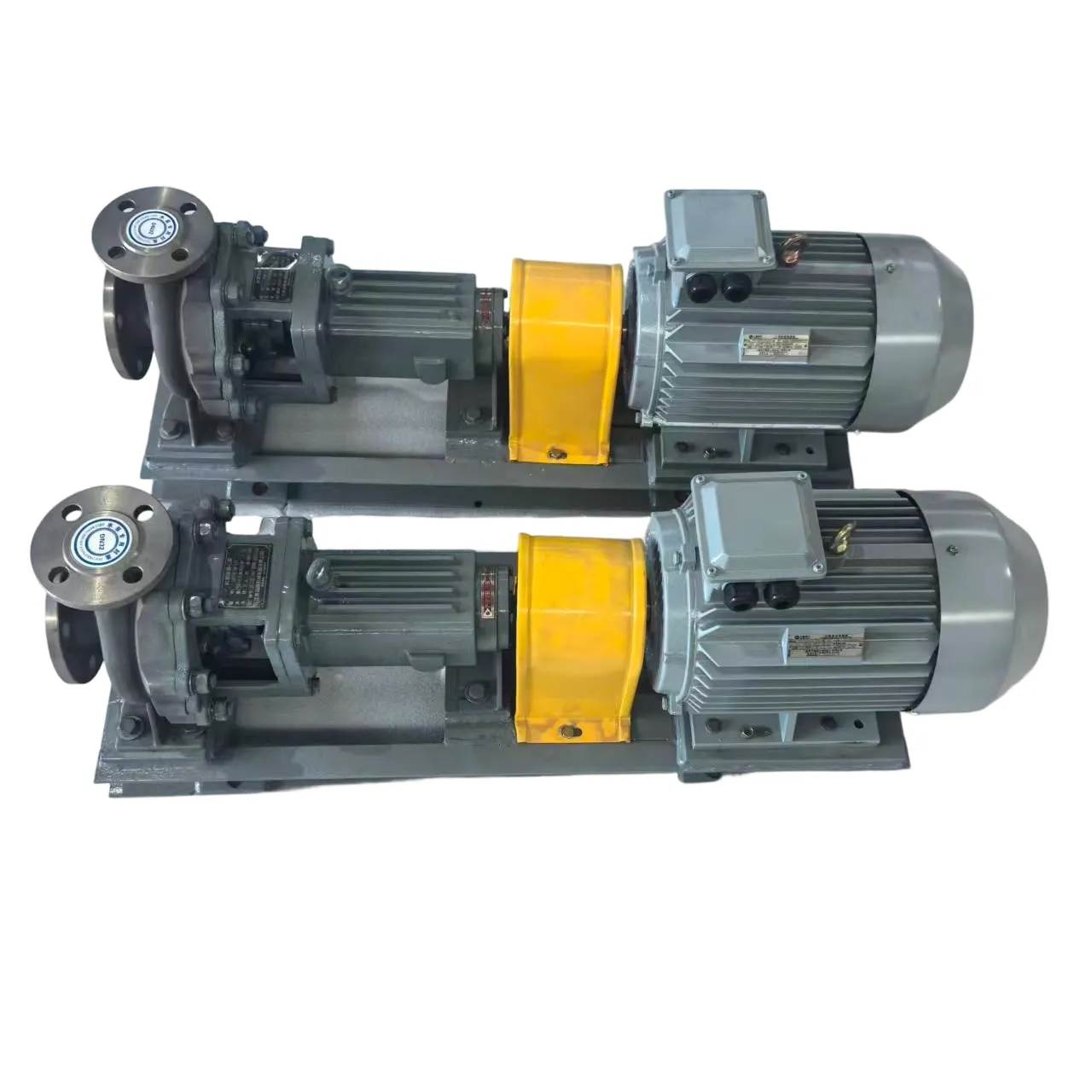
IH Centrifugal Chemical Pumps
IH centrifugal chemical pumps for acids, alkalis, solvents, and industrial process liquids. Available with custom materials, seals, motors, and sizes.
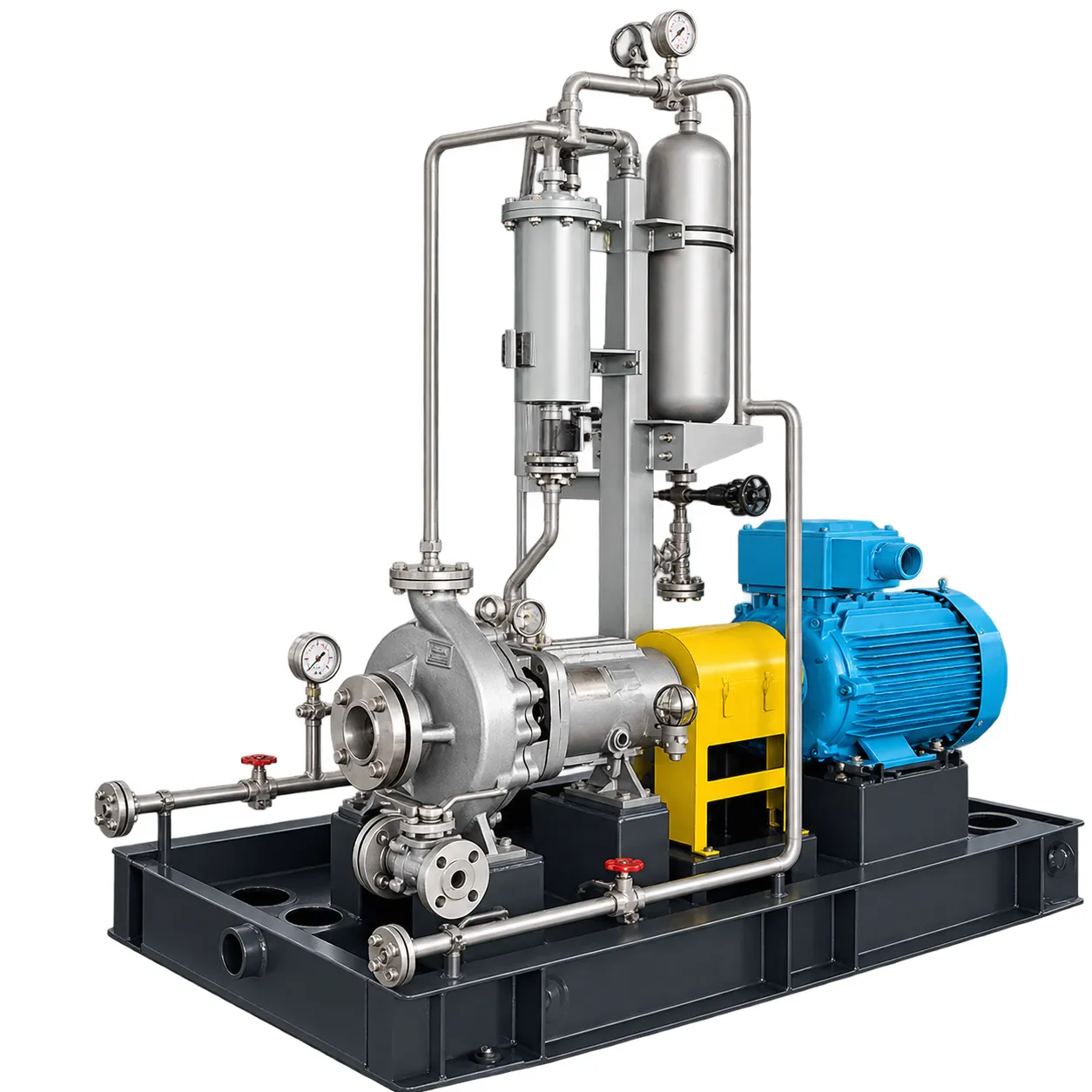
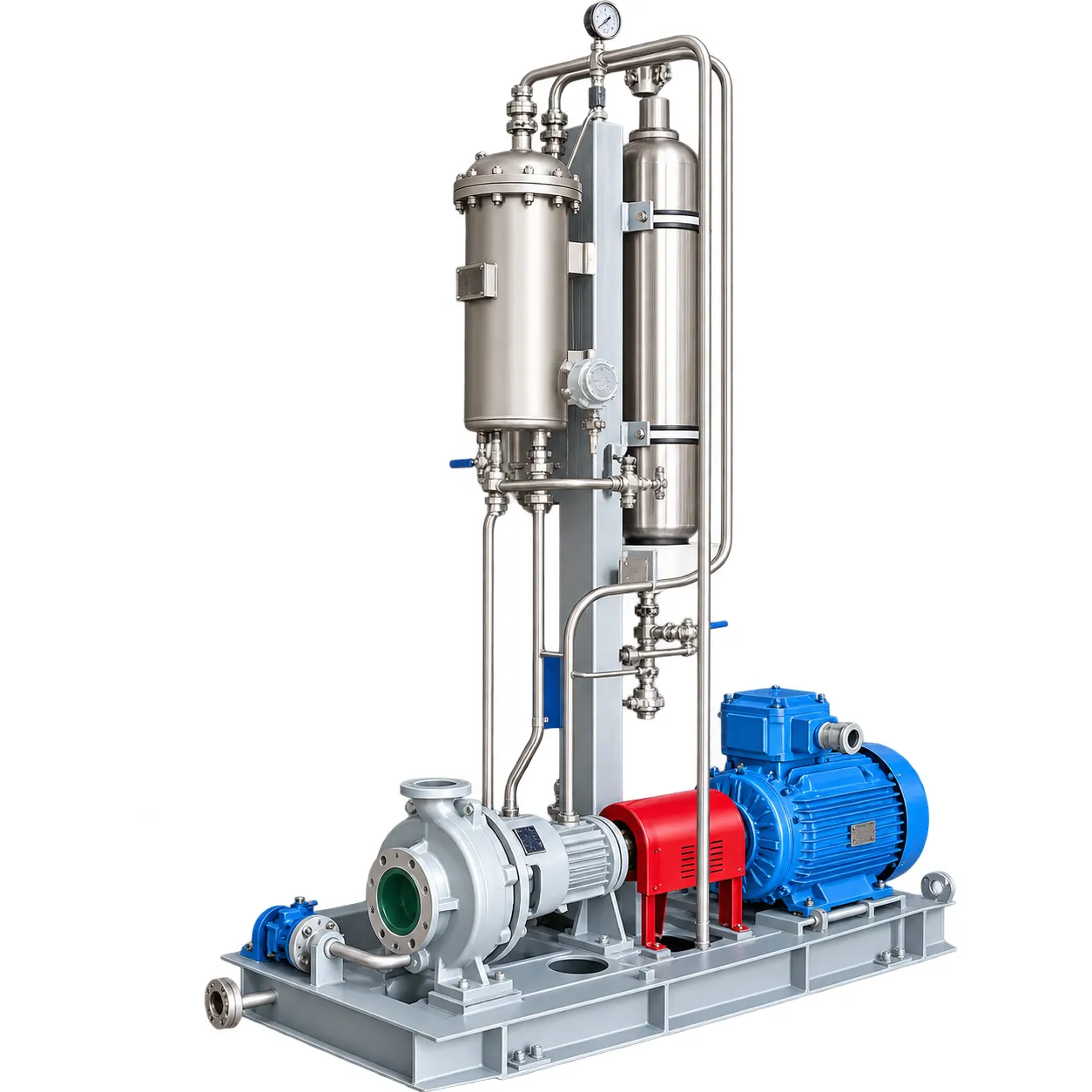
API 682 Plan 53A and 53B Chemical Pump System
API 682 Plan 53A and 53B seal support systems for ZA, ZE, and IH chemical pumps handling toxic, flammable, and corrosive liquids.
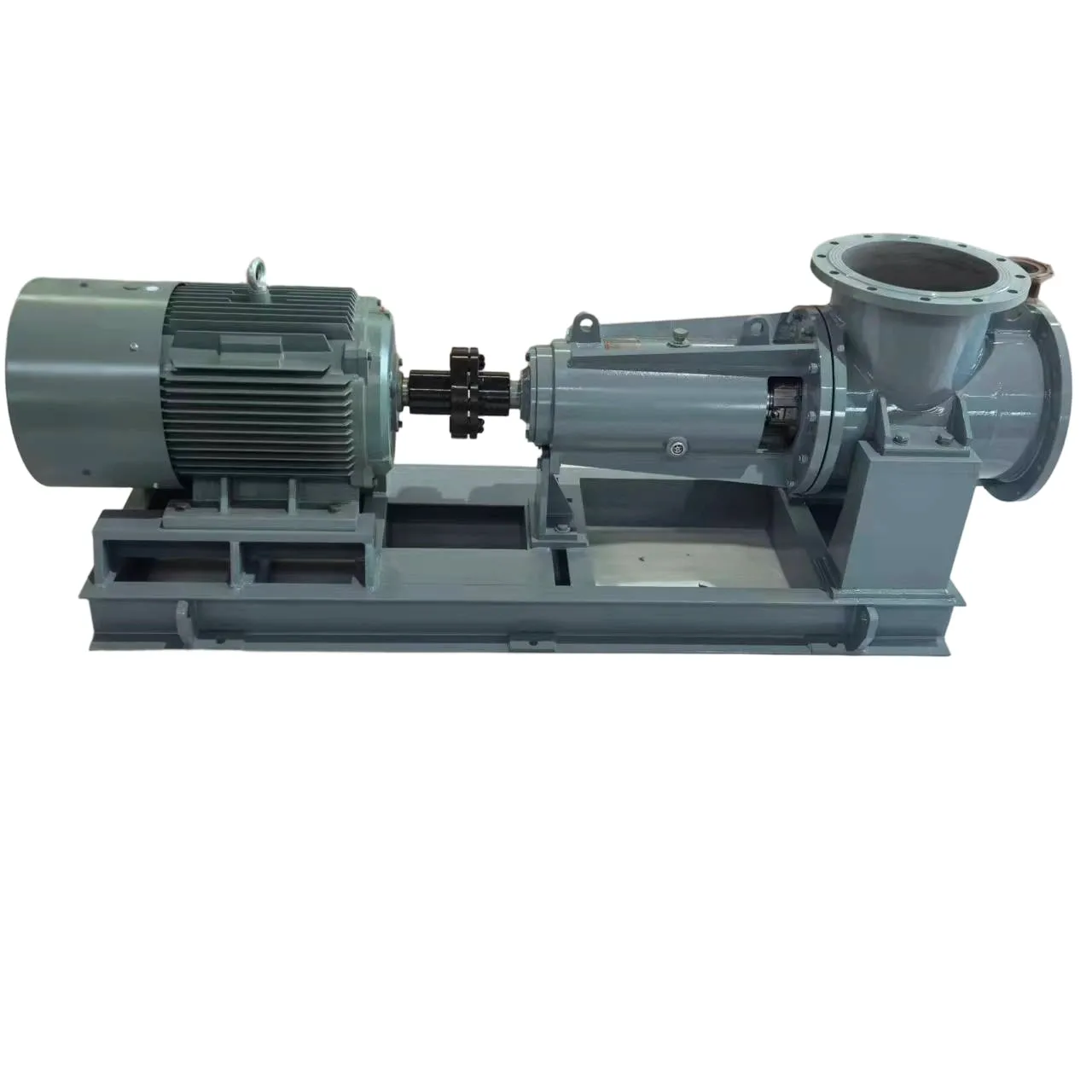
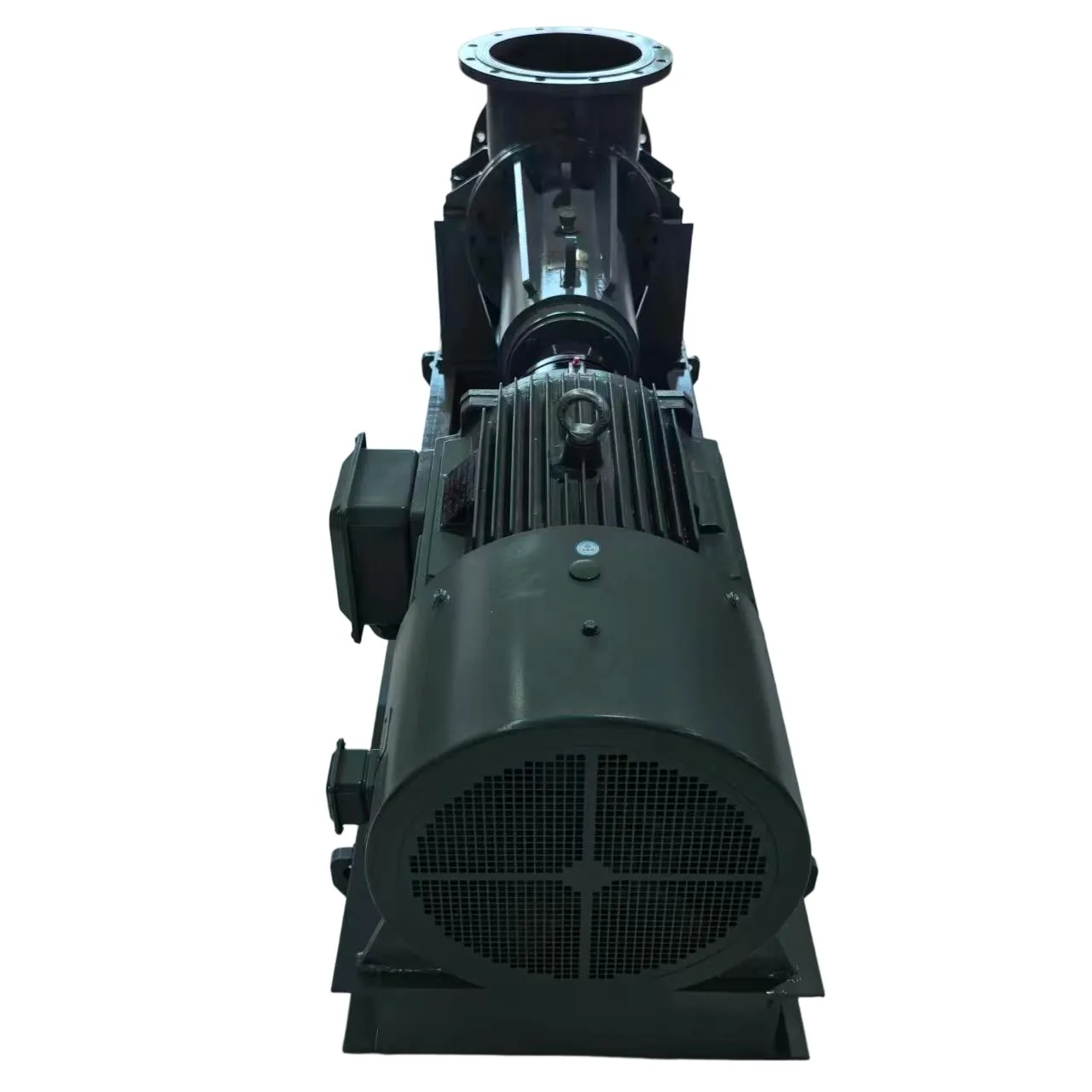
FJX Evaporator Forced-Circulation Axial Flow Pump
FJX evaporator circulation pump delivers 300–12,000 m³/h for evaporation, crystallization, and reactor systems, with adjustable blades and durable seals.


