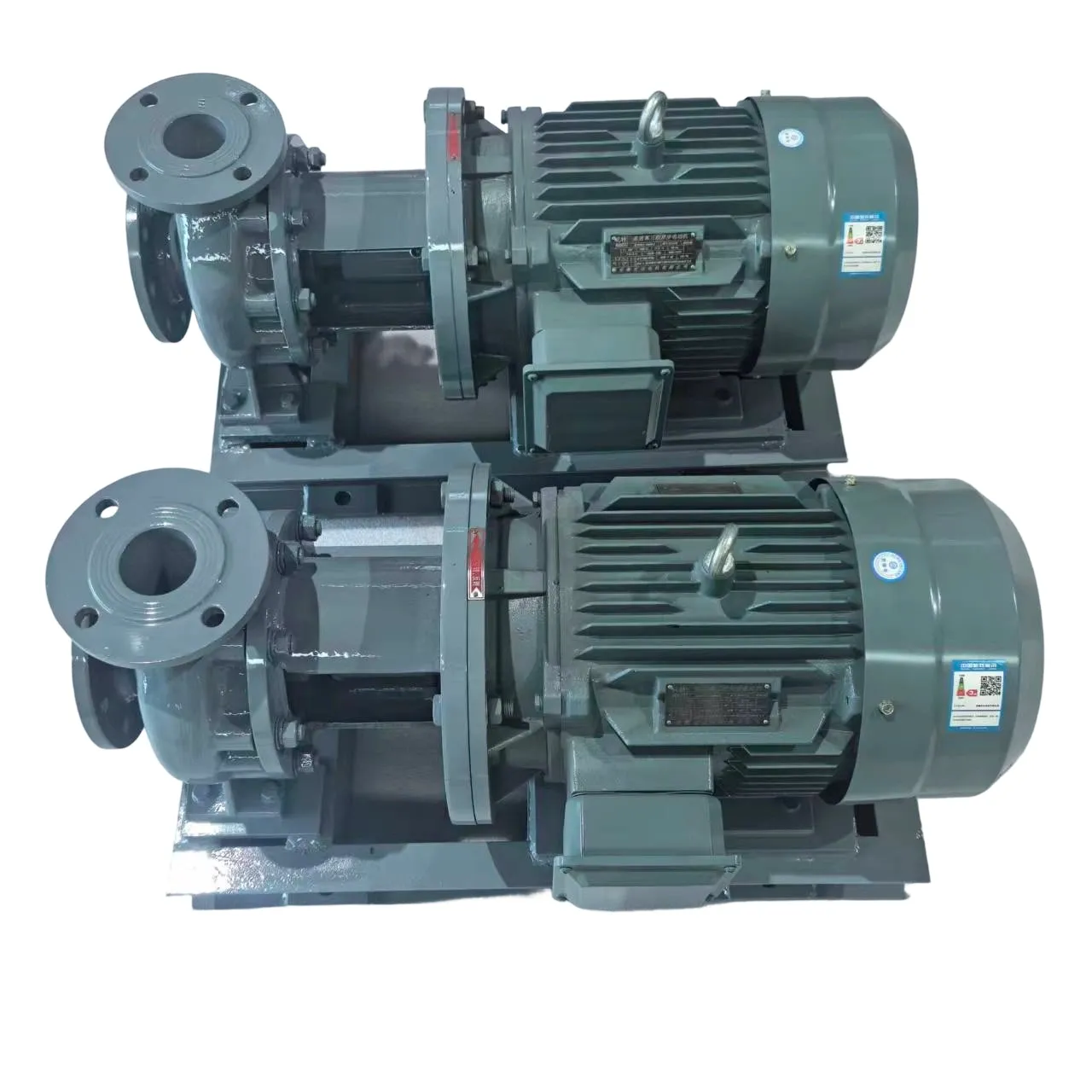
Horizontal Direct-Connect Centrifugal Chemical Pump
Product Information
Suction type:
Single axial suction
Drive structure:
Direct-connected motor
Flow capacity:
6.3–400 m³/h
Head:
5–125 m
Speed:
1,450 or 2,900 rpm
Motor power:
0.55–90 kW


The horizontal direct-connect centrifugal chemical pump is a compact pump for transferring corrosive industrial liquids. It uses a single-stage, single-suction hydraulic structure. Meanwhile, the motor connects to the pump through a flanged support.
This arrangement removes the conventional external flexible coupling and coupling guard. Therefore, the complete unit is shorter and needs less installation space. It also reduces the number of alignment points.
This pump is commonly identified as an IHZ direct-connect chemical pump. It is suitable for clean chemical liquids with a viscosity close to water. As a pump manufacturer, we match each unit to the required flow, head, liquid, temperature, and site conditions.
Technical Specifications
| Parameter | Typical Series Range |
| Pump type | Horizontal single-stage centrifugal pump |
| Suction type | Single axial suction |
| Drive structure | Direct-connected motor |
| Flow capacity | 6.3–400 m³/h |
| Head | 5–125 m |
| Speed | 1,450 or 2,900 rpm |
| Motor power | 0.55–90 kW |
| Inlet size | DN50–DN200 |
| Outlet size | DN32–DN150 |
| Maximum working pressure | 1.6 MPa |
| Standard liquid temperature | −20°C to 105°C |
| Shaft seal | Mechanical seal or packing |
| Installation | Horizontal base-mounted |
| Design reference | ISO 2858 hydraulic dimensions |
Actual performance depends on the model, impeller diameter, speed, liquid density, viscosity, and temperature. Therefore, the final selection must follow the performance curve.
Compact Direct-Connect Structure
A standard long-coupled chemical pump uses a pump shaft, flexible coupling, coupling guard, and separate motor shaft. In contrast, the direct-connect design links the pump and motor through a compact support structure.
As a result, it offers several benefits:
- Shorter overall length
- Smaller baseplate
- No external coupling guard
- Fewer alignment points
- Lower installation workload
- Reduced risk of coupling misalignment
- Simple and clean equipment layout
- Convenient access to pump parts
The direct connection also helps keep the rotating parts centered. However, the unit must still be installed on a flat and rigid foundation.
How the Pump Works
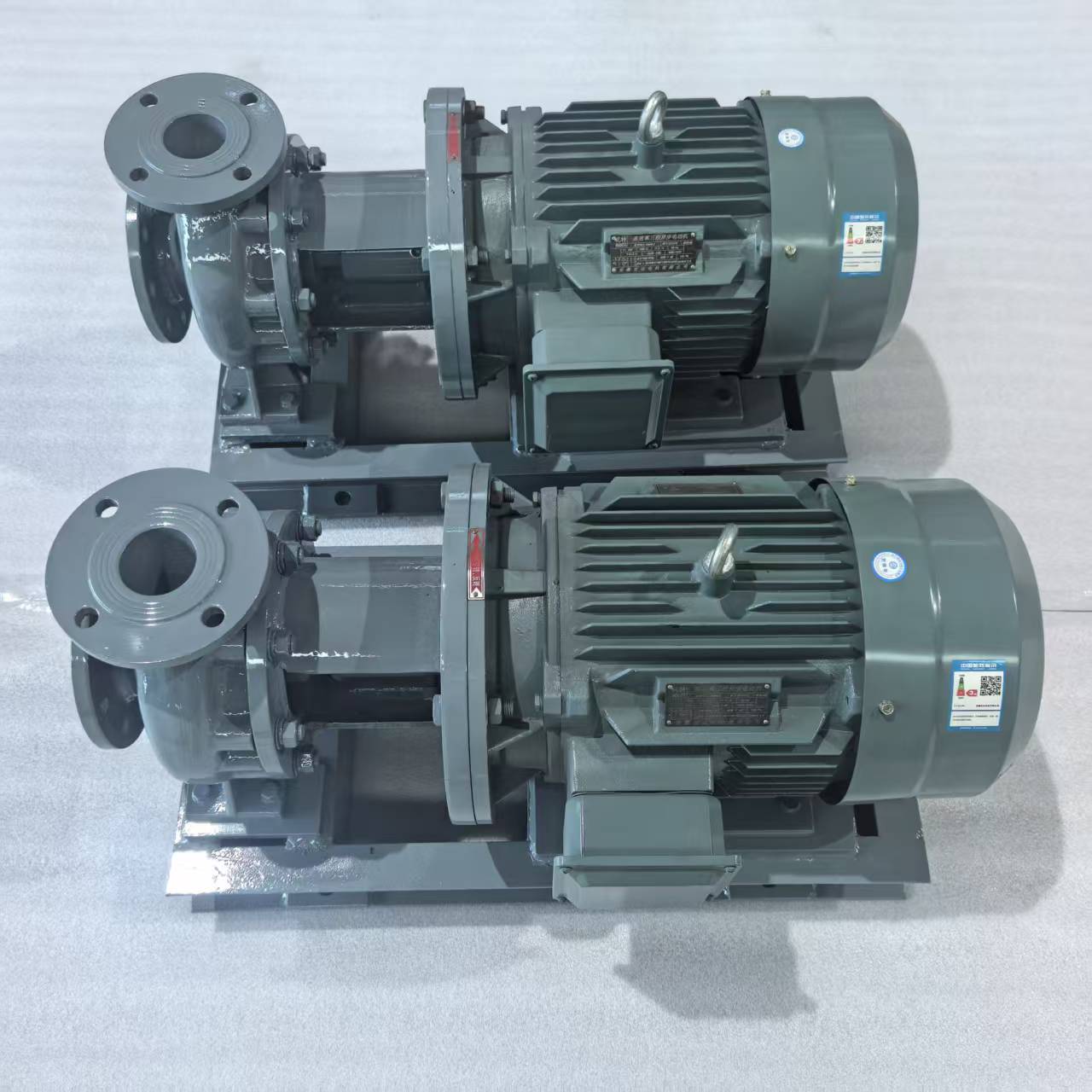
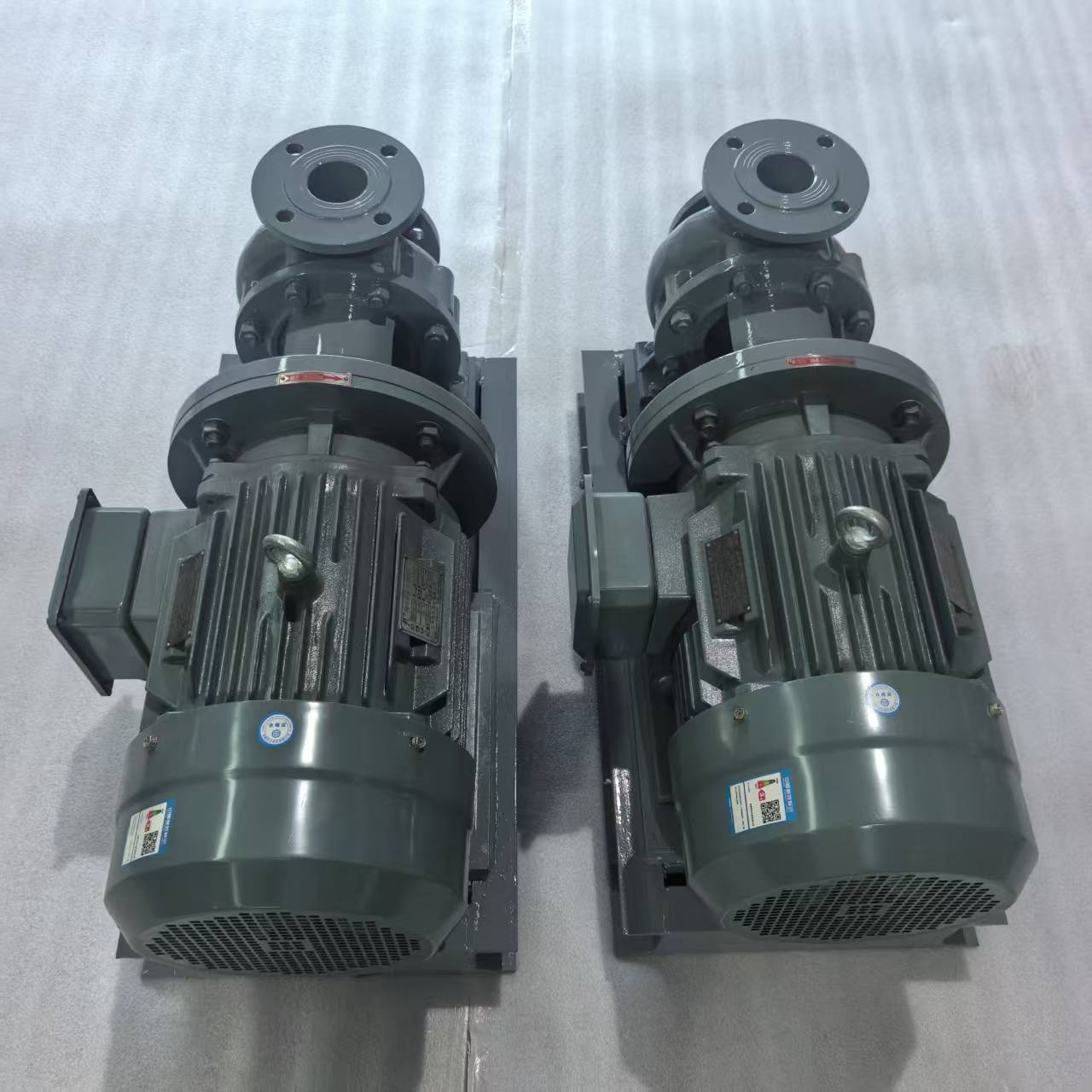
Liquid enters the pump through the horizontal inlet. Next, the rotating impeller increases its speed. The volute casing then converts part of this speed into pressure. Finally, the liquid leaves through the top discharge flange.
The main components include:
- Volute pump casing
- Closed impeller
- Pump cover
- Pump shaft
- Replaceable shaft sleeve
- Mechanical seal
- Flanged motor support
- Electric motor
- Steel baseplate
This simple flow path supports stable chemical transfer. Moreover, the single-stage structure makes inspection and maintenance straightforward.
Corrosion-Resistant Material Options
The wetted parts can be made from different metals according to the liquid. Common options include:
- Cast steel
- 304 stainless steel
- 304L stainless steel
- 316 stainless steel
- 316L stainless steel
- Duplex stainless steel
- Special corrosion-resistant alloys
Material selection should consider the full chemical composition, concentration, temperature, and operating time. In addition, the casing, impeller, shaft sleeve, seal faces, and gaskets must be compatible with the liquid.
For highly corrosive acids or oxidizing chemicals, a fluoroplastic-lined or special-alloy pump may be more suitable.
Mechanical Seal Options
A mechanical seal is commonly used to control leakage around the pump shaft. Available seal faces may include carbon, ceramic, silicon carbide, or tungsten carbide.
Single mechanical seals suit many general chemical duties. However, double mechanical seals may be selected for toxic, flammable, crystallizing, or high-temperature liquids. Cooling, flushing, or an external seal-support system can also be added when required.
The correct seal depends on the liquid, pressure, temperature, solids, and acceptable leakage level.
Suitable Industrial Applications
The horizontal direct-connect centrifugal chemical pump is widely used in:
- Chemical production
- Acid and alkali transfer
- Pharmaceutical processing
- Pesticide manufacturing
- Fertilizer plants
- Metal pickling
- Electroplating lines
- Paper and pulp production
- Textile and dyeing plants
- Food processing
- Industrial water treatment
- Wastewater treatment
- Petroleum and refining systems
The standard pump is designed for clean liquids without hard solids. Therefore, abrasive slurry, large particles, or fibrous material require a different pump design.
Motor and Electrical Options
Standard three-phase motors are available for general industrial sites. Explosion-proof motors can also be supplied for areas where flammable gas or vapor may be present.
Available motor options include:
- 380 V, 400 V, 415 V, 440 V, or 460 V
- 50 Hz or 60 Hz
- Standard or high-efficiency motor
- Explosion-proof motor
- Outdoor protection
- Variable-frequency drive compatibility
The motor rating must be checked against the liquid density and the full operating range.
Installation and Startup
Install the pump on a firm and level foundation. Also, support the inlet and outlet pipes separately. Pipeline weight must not act on the pump casing.
Before startup:
- Fill the pump and suction line with liquid
- Remove trapped air
- Check the motor rotation
- Open the inlet valve fully
- Confirm that the shaft turns freely
- Check all flange and seal connections
The pump is not self-priming and must never run dry. During operation, monitor vibration, seal leakage, motor current, and bearing temperature.
Manufacturer Customization and Testing
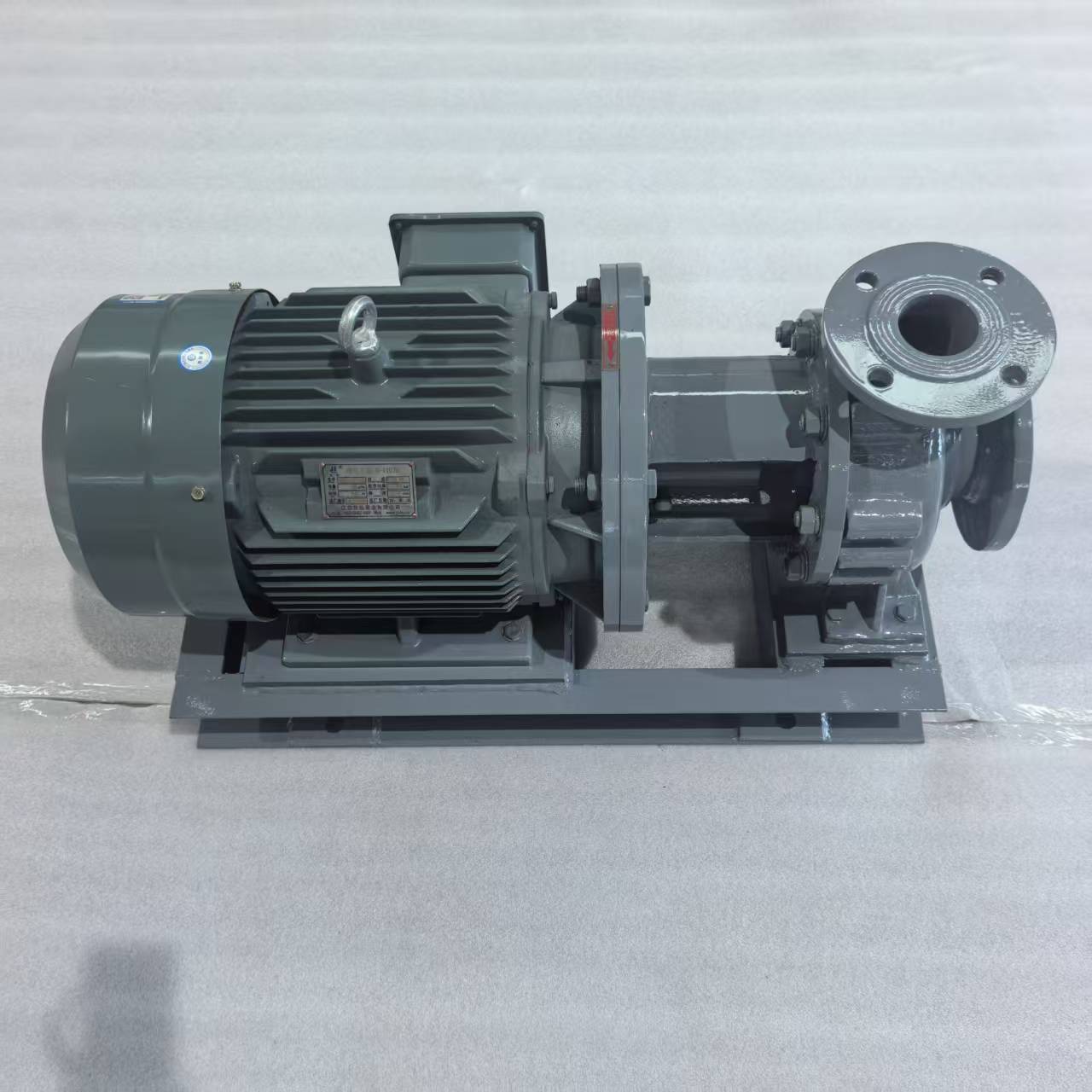
We provide hydraulic selection, material matching, mechanical seal design, motor configuration, assembly, and inspection. Custom flange standards, voltage, frequency, coatings, base dimensions, and spare parts are also available.
For accurate selection, please provide:
- Liquid name and concentration
- Operating temperature
- Density and viscosity
- Required flow and head
- Suction pressure or tank level
- Motor voltage and frequency
- Installation environment
- Hazardous-area requirements
- Daily operating hours
Complete operating data helps us select a reliable and cost-effective pump.
Frequently Asked Questions
What is the main benefit of direct connection?
It creates a shorter unit and removes the external flexible coupling. Therefore, installation and alignment are simpler.
Is this pump self-priming?
No. Fill the pump casing and suction line before startup.
Can it transfer acids and alkalis?
Yes, when the wetted material and seal are compatible with the exact chemical and temperature.
Can an explosion-proof motor be supplied?
Yes. We can match the motor to the required hazardous-area rating, voltage, frequency, and protection grade.
Request a Pump Quotation
Send us your operating data for a horizontal direct-connect centrifugal chemical pump. Our technical team will recommend the hydraulic size, material, seal, motor, and accessories for your process.
Recommended products
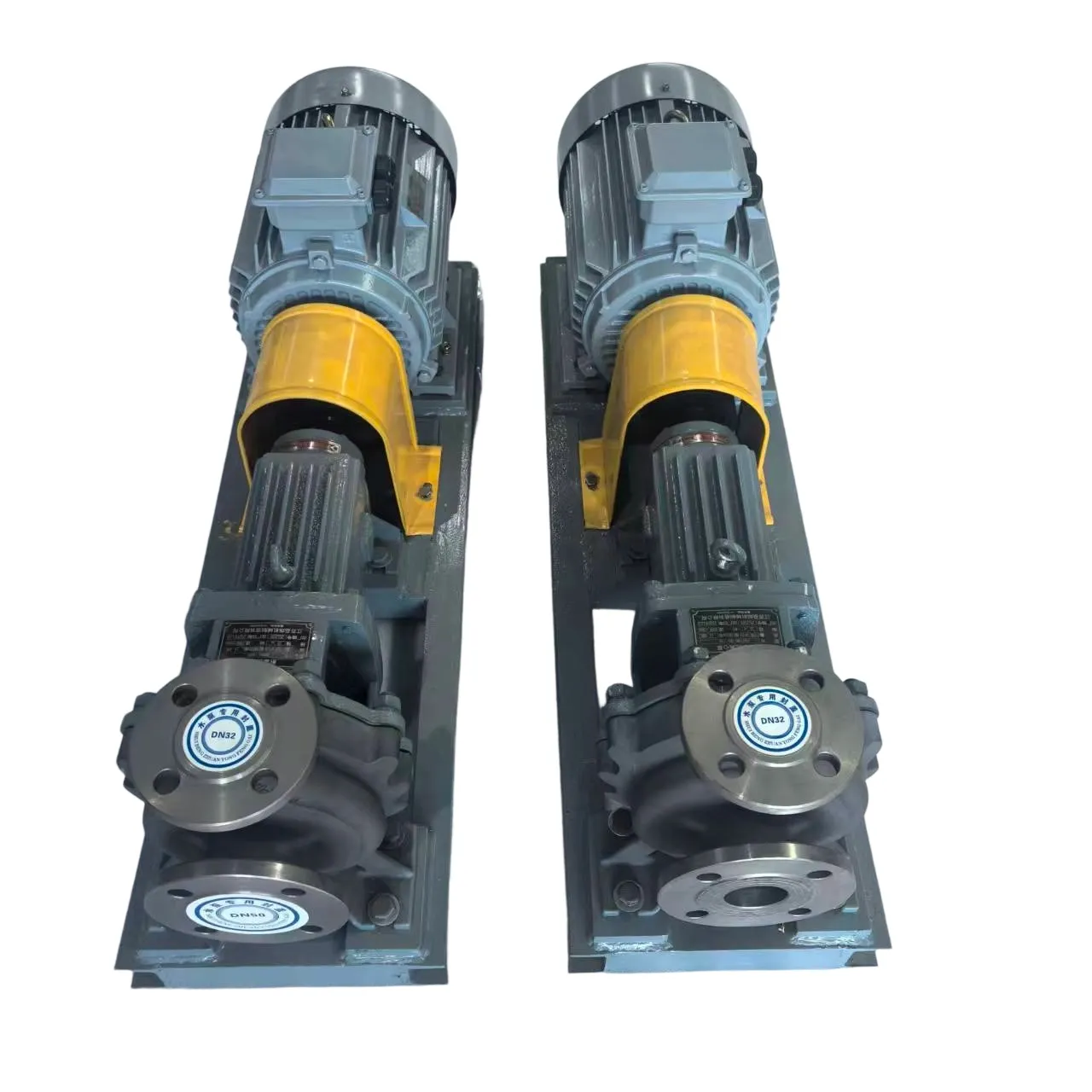
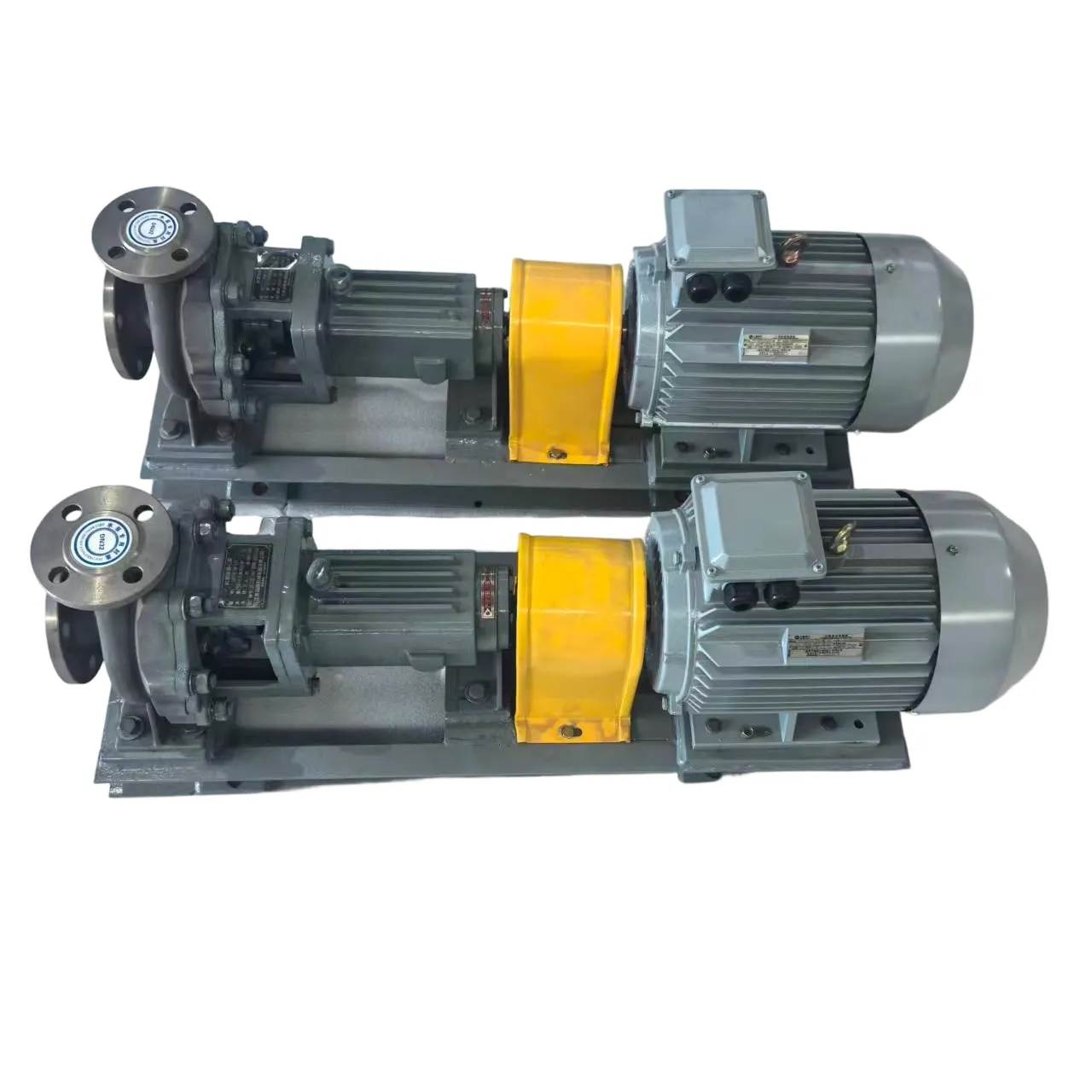
IH Centrifugal Chemical Pumps
IH centrifugal chemical pumps for acids, alkalis, solvents, and industrial process liquids. Available with custom materials, seals, motors, and sizes.
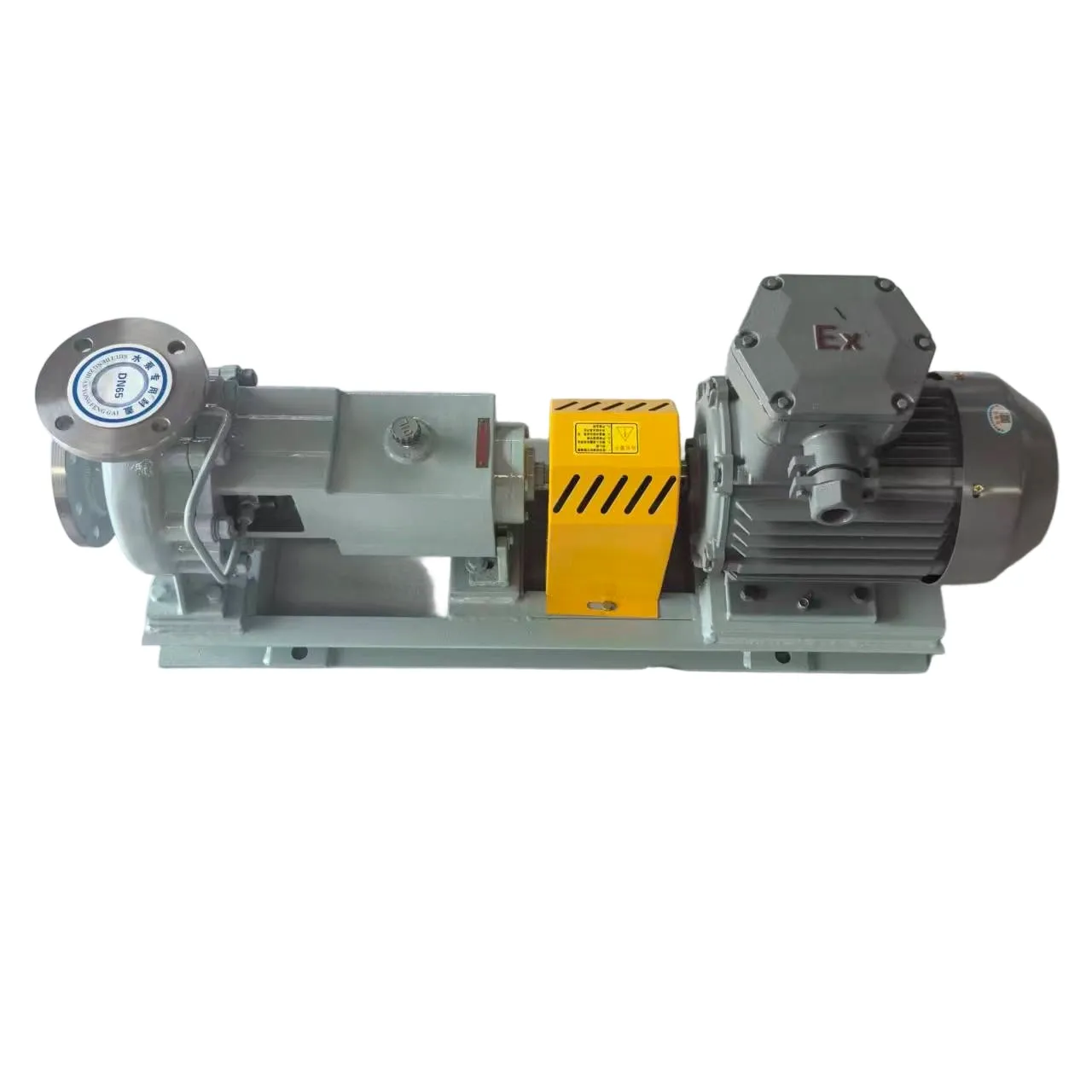
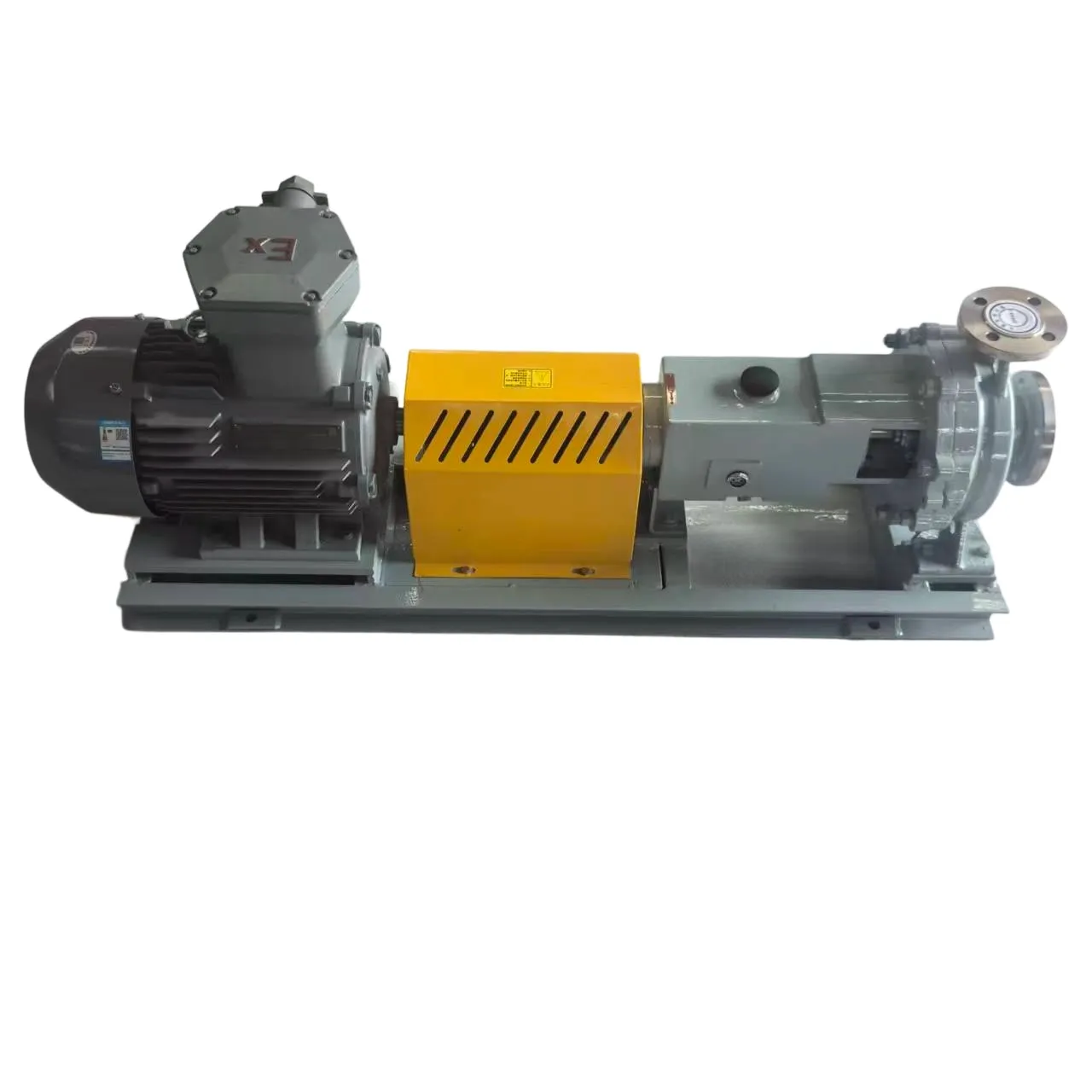
HJ Centrifugal Chemical Pump
HJ centrifugal chemical pump for corrosive, toxic, flammable, and particle-containing liquids. Custom materials, seals, motors, and performance.
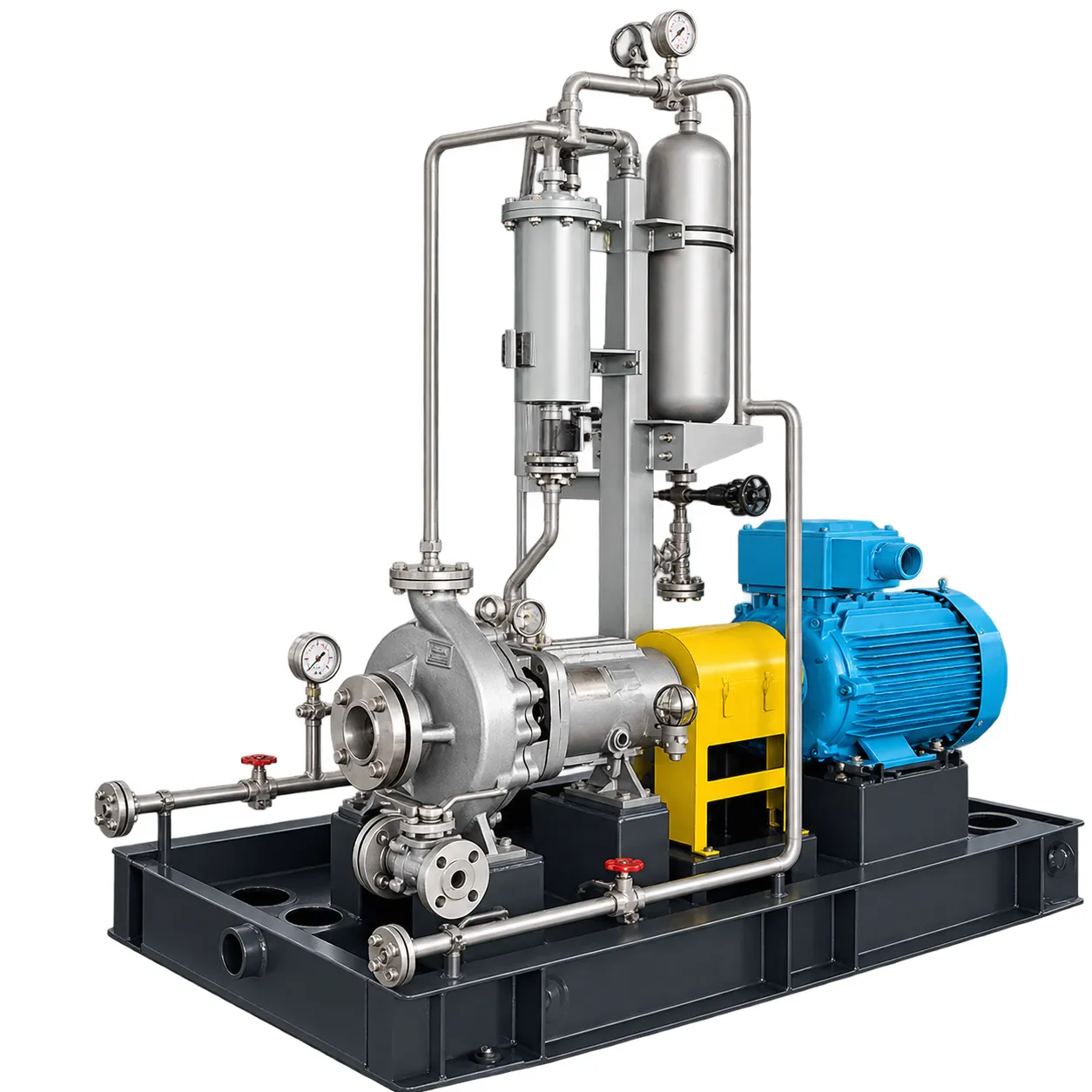
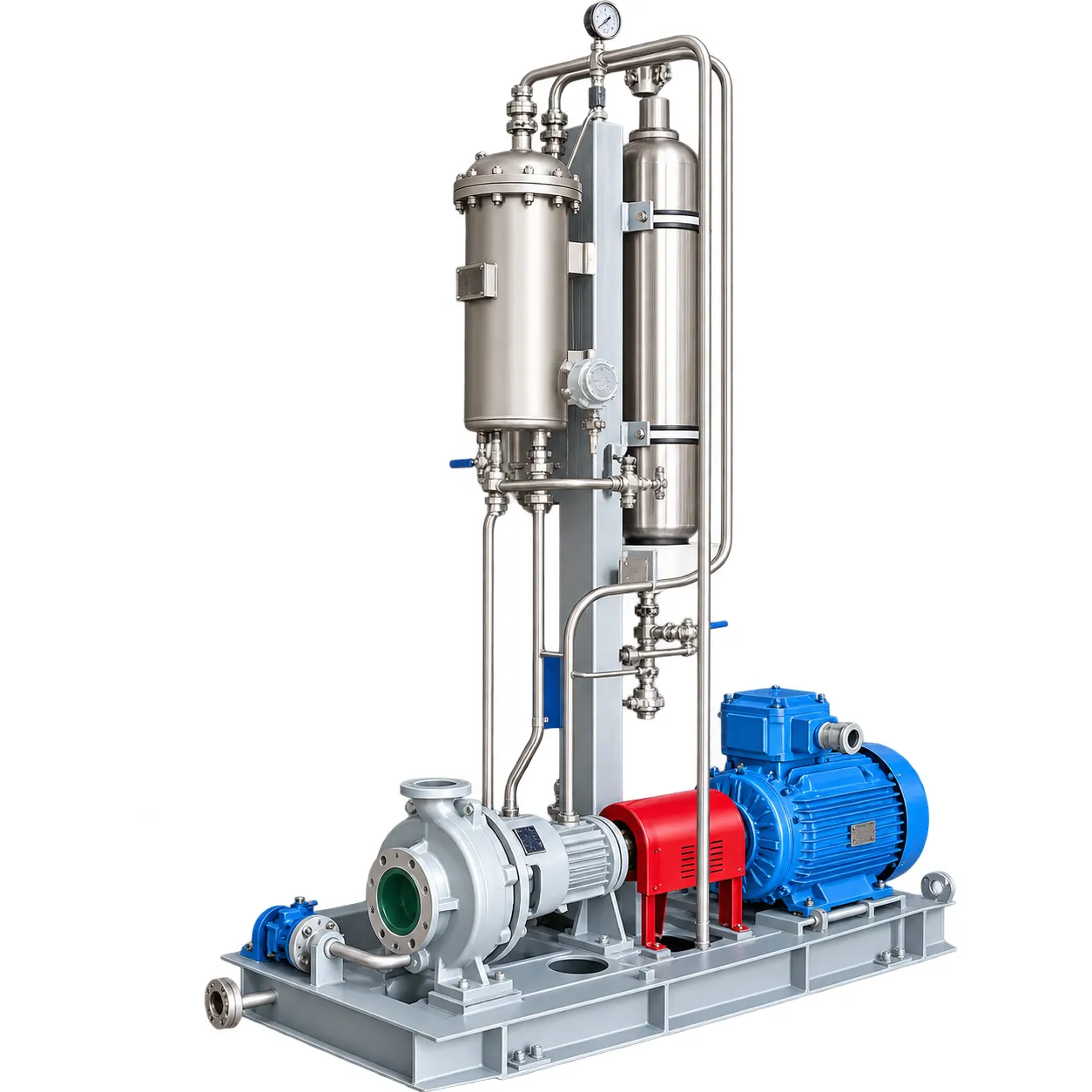
API 682 Plan 53A and 53B Chemical Pump System
API 682 Plan 53A and 53B seal support systems for ZA, ZE, and IH chemical pumps handling toxic, flammable, and corrosive liquids.
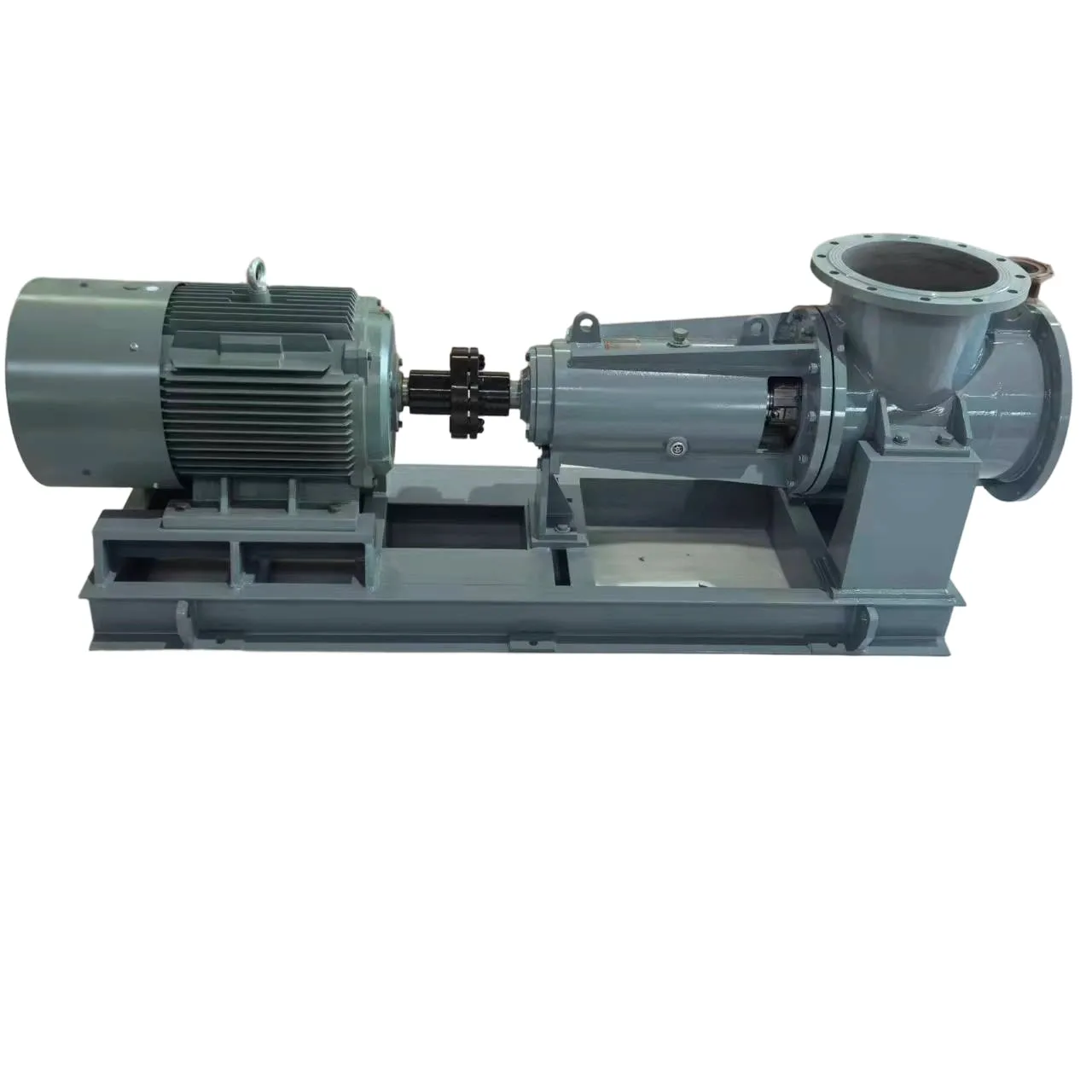
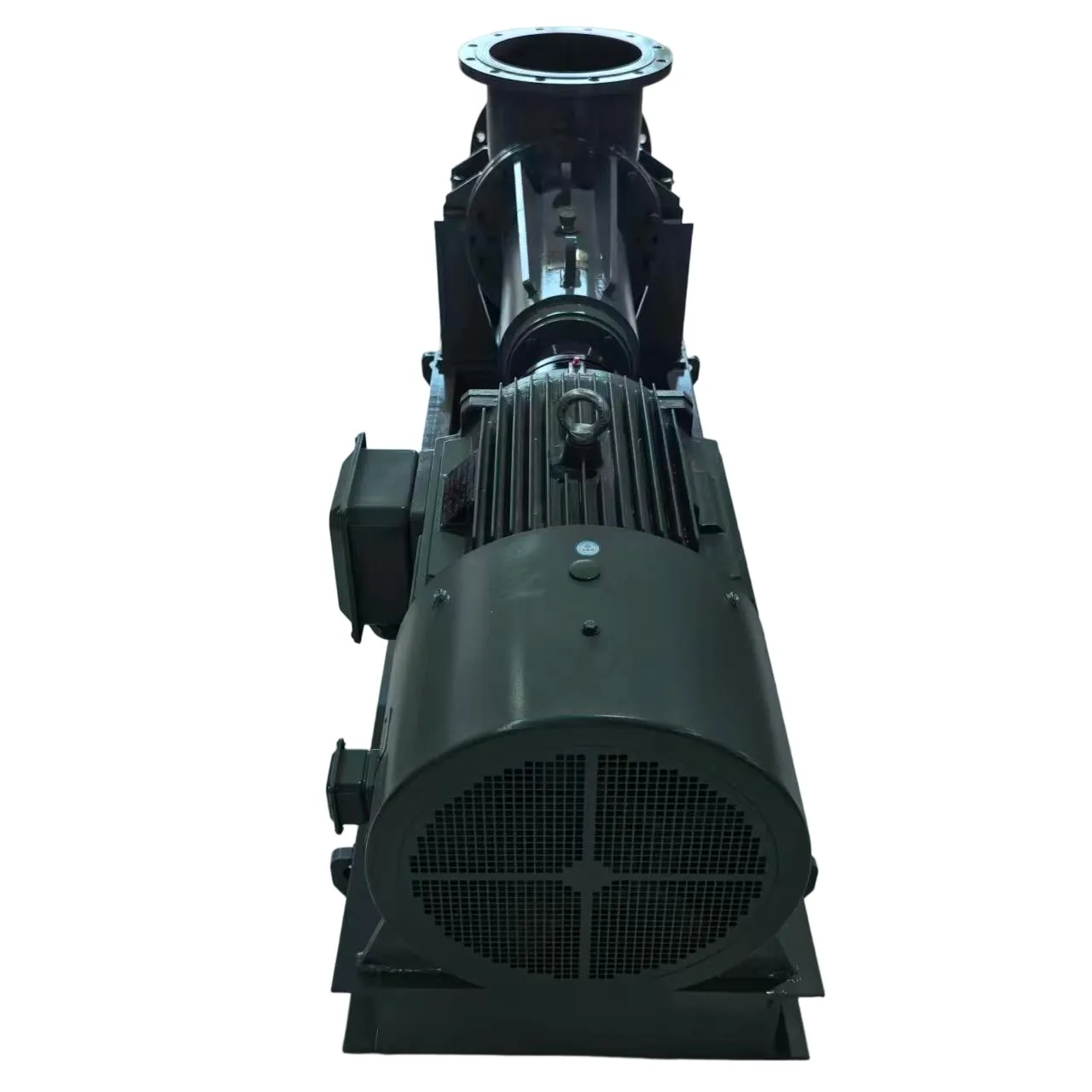
FJX Evaporator Forced-Circulation Axial Flow Pump
FJX evaporator circulation pump delivers 300–12,000 m³/h for evaporation, crystallization, and reactor systems, with adjustable blades and durable seals.


