
ZA and ZAO Petrochemical Process Pumps
Product Information
Model:
ZA, ZAO
Inlet size:
25–400 mm
Maximum flow:
Up to 2,600 m³/h
Maximum working pressure:
Up to 2.5 MPa
Standard operating temperature:
-20°C to +180°C
Centerline-supported configuration:
-20°C to +450°C


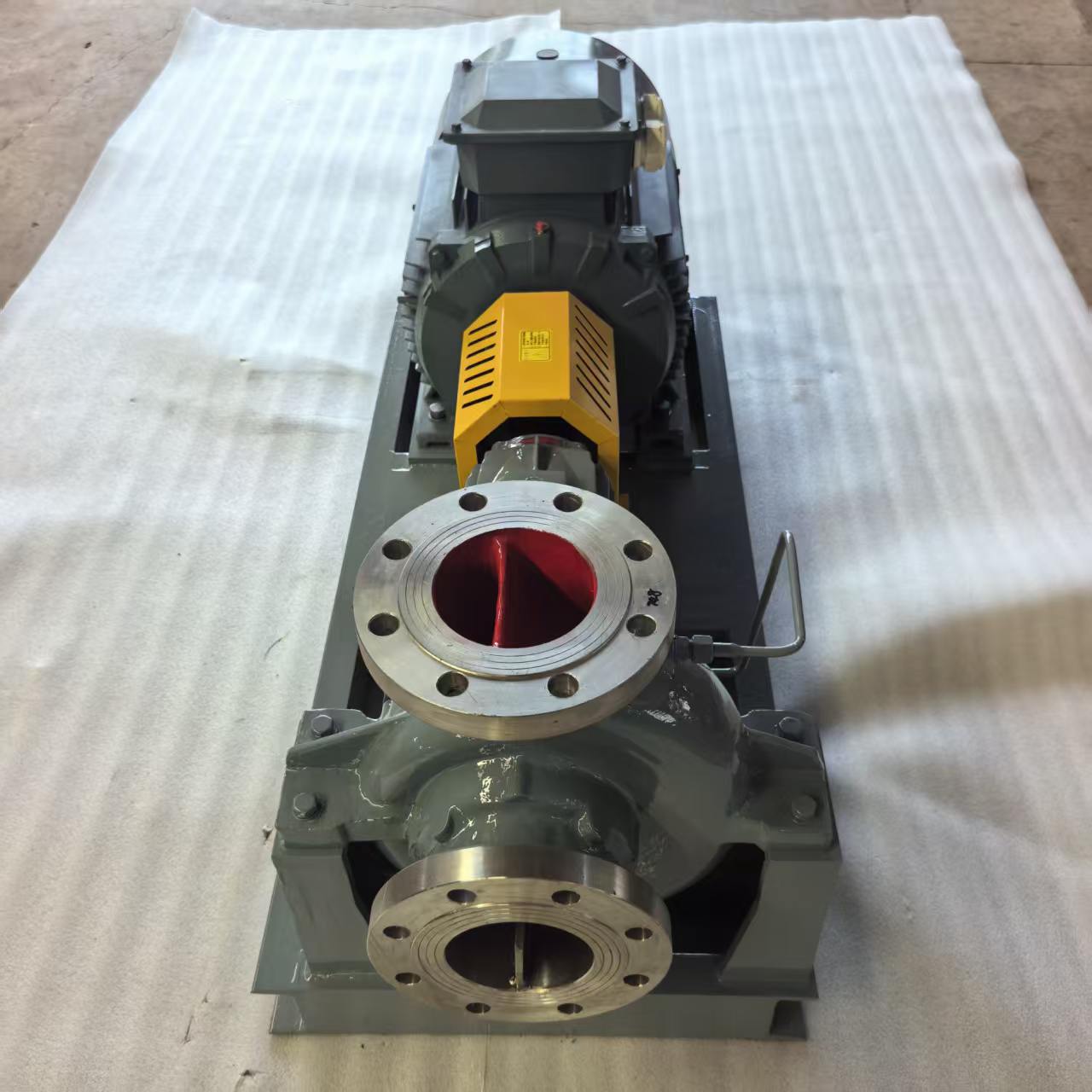
ZA and ZAO petrochemical process pumps are horizontal, single-stage centrifugal pumps designed for demanding liquid transfer duties. They can handle clean or slightly polluted liquids, as well as cold, hot, neutral, or corrosive media.
The series is designed according to API 610, 8th Edition, and VDMA 24297 requirements for light- and medium-duty process pumps. Its modular structure, strong bearing assembly, replaceable wear parts, and flexible sealing options make it suitable for continuous industrial service.
Jingjiang Xiangsu Pumps Co., Ltd. supplies ZA and ZAO pumps in different hydraulic sizes, materials, impeller designs, sealing systems, and motor configurations. Therefore, each pump can be selected according to the actual process conditions.
ZA and ZAO Pump Performance Range
The series covers both standard transfer duties and large industrial process systems.
| Parameter | Available Range |
| Inlet size | 25–400 mm |
| Maximum flow | Up to 2,600 m³/h |
| Maximum head | Up to 250 m |
| Maximum working pressure | Up to 2.5 MPa |
| Standard operating temperature | -20°C to +180°C |
| Centerline-supported configuration | -20°C to +450°C |
| Pump structure | Horizontal, single-stage, radially split |
| Suction direction | Axial |
| Discharge direction | Radial upward |
| Rotation | Clockwise when viewed from the motor end |
| Main design references | API 610, 8th Edition; VDMA 24297 |
Actual performance depends on the pump size, impeller diameter, rotational speed, motor power, liquid properties, and operating point.
Difference Between ZA and ZAO Pumps
ZA and ZAO pumps share the same basic process pump platform. However, they use different impeller designs for different liquids.
The ZA pump normally uses a closed impeller. It provides good efficiency and stable hydraulic performance for clean or slightly polluted liquids.
The ZAO pump uses an open impeller with external axial adjustment. It is better suited to liquids containing solid particles or gas-liquid mixtures. According to the product documentation, selected ZAO configurations can handle solids concentrations of up to 10%, subject to particle size, hardness, and operating conditions.
The external adjustment design also helps maintain the correct impeller clearance after wear. As a result, maintenance teams can restore performance without immediately replacing the complete impeller.
Strong Hydraulic and Mechanical Design
The pump uses a radially split volute casing with a single-entry radial impeller. Hydraulic balance is achieved through front or rear wear rings and balance holes, depending on the operating conditions.
Pump sizes above 80 mm may use a double-volute casing. This design reduces radial force on the shaft and helps limit shaft deflection at the sealing area. Therefore, the pump can operate with lower vibration and more stable seal performance.
Large suction and discharge passages also help reduce liquid velocity. In addition, the pump casing includes corrosion allowance for demanding chemical and petrochemical service.
Modular Back Pull-Out Structure
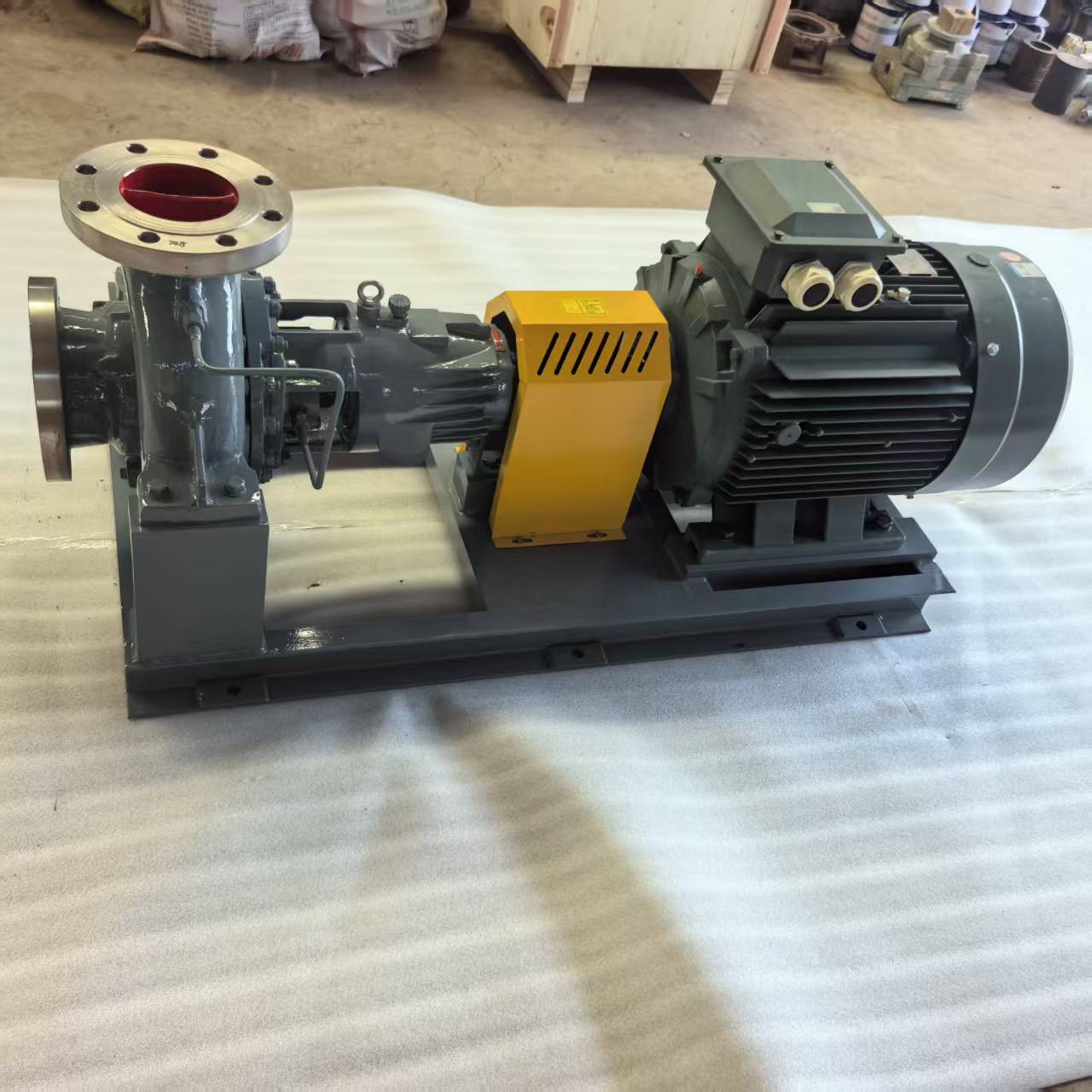
The pump is assembled with modular components and a spacer coupling. During maintenance, technicians can remove the rotating assembly without disconnecting the pump casing from the pipeline. The motor can normally remain in position as well.
This back pull-out structure provides several practical benefits:
- Shorter maintenance shutdowns
- Easier impeller and seal inspection
- Faster bearing replacement
- Lower spare-parts requirements
- Better interchangeability between pump sizes
- Reduced production disruption
The series includes many pump sizes while using a limited number of bearing bracket assemblies. Consequently, plant operators can simplify spare-parts management across multiple installations.
Replaceable Wear Components
The casing wear rings, impeller wear rings, and shaft sleeves can be replaced after wear. Therefore, the main casing, impeller, and shaft may continue to be used if they remain within the required tolerances.
Wear-ring flushing can also be configured for suitable applications. This helps protect the running clearance when the liquid contains deposits or limited particles.
For abrasive service, customers should provide the particle concentration, size, shape, and hardness before selection.
Shaft Seal Options
ZA and ZAO process pumps support several shaft seal arrangements:
- Packing seal with optional cooling
- Single balanced mechanical seal
- Single unbalanced mechanical seal
- Double balanced mechanical seal
- Tandem mechanical seal
- Single mechanical seal with an auxiliary packing chamber
- Cooling, flushing, or pressurized sealing systems
The seal chamber includes connections for cooling, heating, flushing, or barrier liquid when required. Standard auxiliary piping can be arranged according to API piping plans.
Seal selection should consider temperature, pressure, corrosion, toxicity, crystallization, solids, and leakage limits. Hot, hazardous, or highly corrosive liquids may require a balanced or double mechanical seal with a suitable support system.
Heavy-Duty Bearing Assembly
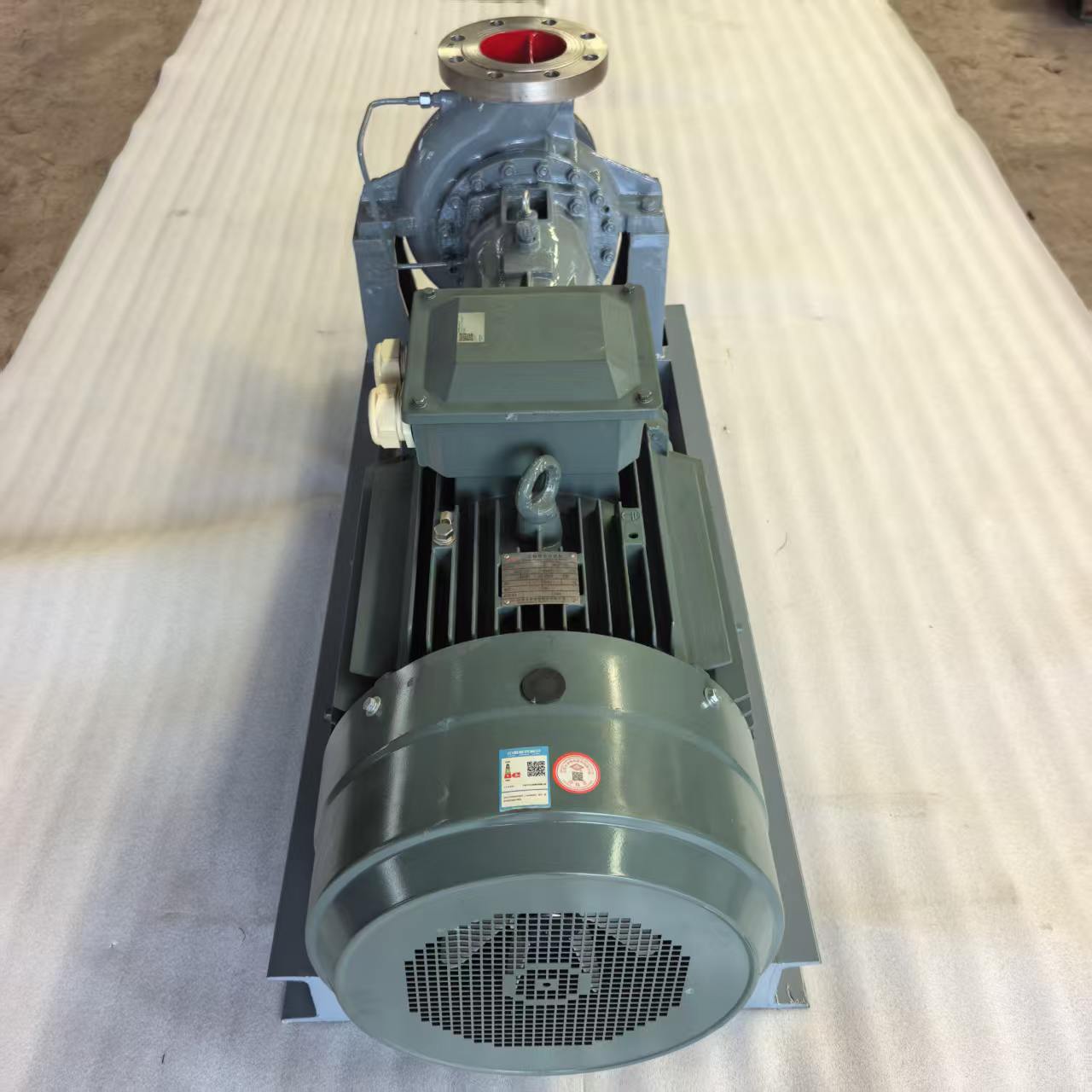
The pump uses a rigid, one-piece bearing bracket with oil-lubricated ball bearings and automatic oil-level control. This structure provides stable shaft support and helps limit deflection.
Under documented conditions, the bearing bracket does not normally require additional cooling when the operating temperature is at or below 250°C. For higher-temperature service, fan or water cooling can be configured.
Labyrinth seals are used as the standard bearing protection arrangement. Radial sealing rings may also be selected for specific environments.
Material and Flange Configurations
Pump materials can be selected according to the liquid composition and temperature. Available options may include:
- 304 or 304L stainless steel
- 316 or 316L stainless steel
- 904 or 904L alloy
- Titanium and titanium alloys
- Cast iron
- Carbon steel
- Cast stainless steel
- Other corrosion-resistant materials after technical review
Flanges can be supplied according to GB, DIN, or ANSI requirements. The suction and discharge flanges use the same nominal pressure rating.
Final material selection should be based on the liquid name, concentration, temperature, density, viscosity, pH, contaminants, and expected operating time.
Industrial Applications
ZA and ZAO petrochemical process pumps are suitable for:
- Oil refineries
- Petrochemical processing plants
- Coal processing systems
- Chemical manufacturing
- Pulp and paper production
- Sugar processing
- Seawater desalination
- Power generation
- Heating and cooling systems
- Environmental protection projects
- Marine and offshore facilities
- Low-temperature engineering
Typical liquids include inorganic and organic acids, salt solutions, alkaline liquids, petrochemical products, organic compounds, process water, and other corrosive industrial media.
Manufacturer Selection Support
Jingjiang Xiangsu Pumps Co., Ltd. can provide pump sizing, hydraulic selection, material matching, impeller configuration, shaft seal selection, motor matching, base fabrication, and auxiliary piping support.
For an accurate quotation, please provide:
- Required flow and total head
- Liquid name and composition
- Operating and maximum temperature
- Density and viscosity
- Solid or gas content
- Suction pressure or available NPSH
- Required materials and flange standard
- Preferred shaft seal
- Motor voltage and frequency
- Hazardous-area classification
Complete process data helps the manufacturer select a pump that is reliable, efficient, and easier to maintain.
Frequently Asked Questions
What is the main difference between ZA and ZAO pumps?
ZA pumps normally use closed impellers, while ZAO pumps use open impellers with external axial clearance adjustment.
Can the pump handle liquid containing particles?
Yes. The ZAO configuration is designed for particle-containing or gas-liquid media. However, particle details must be reviewed before selection.
Can the pump operate above 180°C?
The standard range reaches +180°C. A centerline-supported configuration may be used up to +450°C with suitable materials, seals, bearings, and cooling arrangements.
Are double mechanical seals available?
Yes. Single, double, balanced, unbalanced, and tandem mechanical seal arrangements are available.
Can the pump be maintained without removing the pipeline?
Yes. The spacer coupling and back pull-out structure allow the rotating assembly to be removed while the casing remains connected to the pipework.
Recommended products
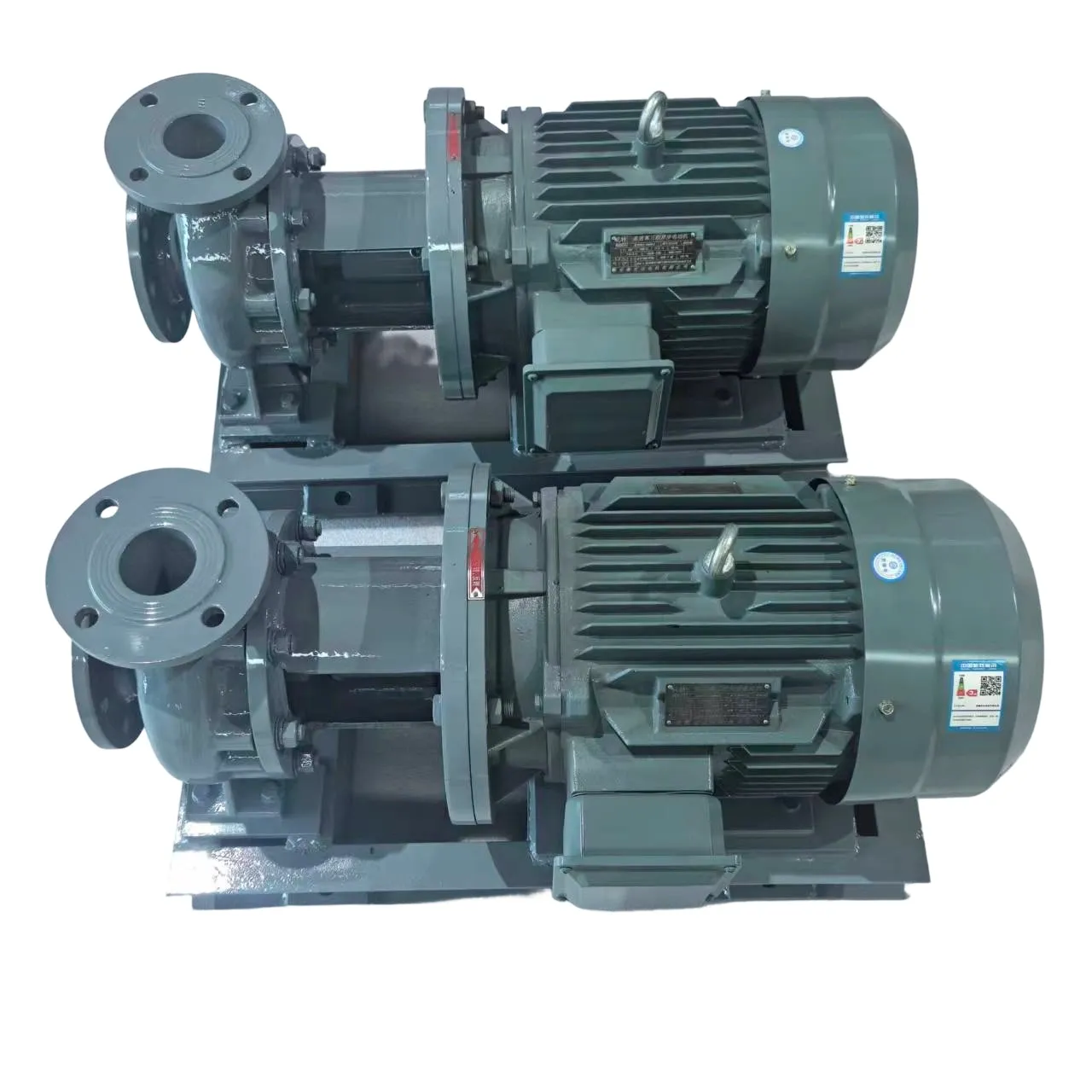
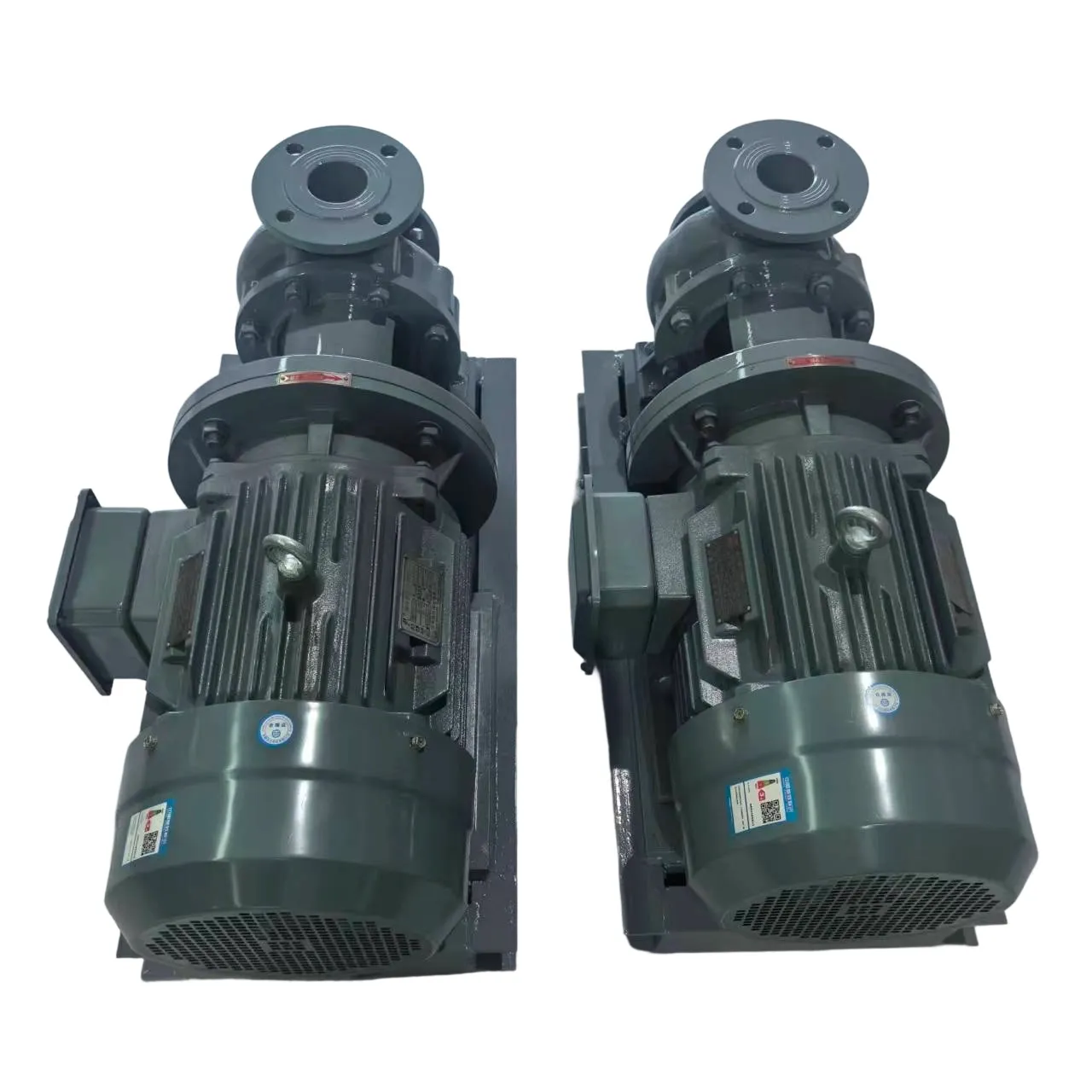
Horizontal Direct-Connect Centrifugal Chemical Pump
Compact horizontal direct-connect centrifugal chemical pump for corrosive liquids, with custom stainless steel materials, seals, motors, and hydraulic sizes.
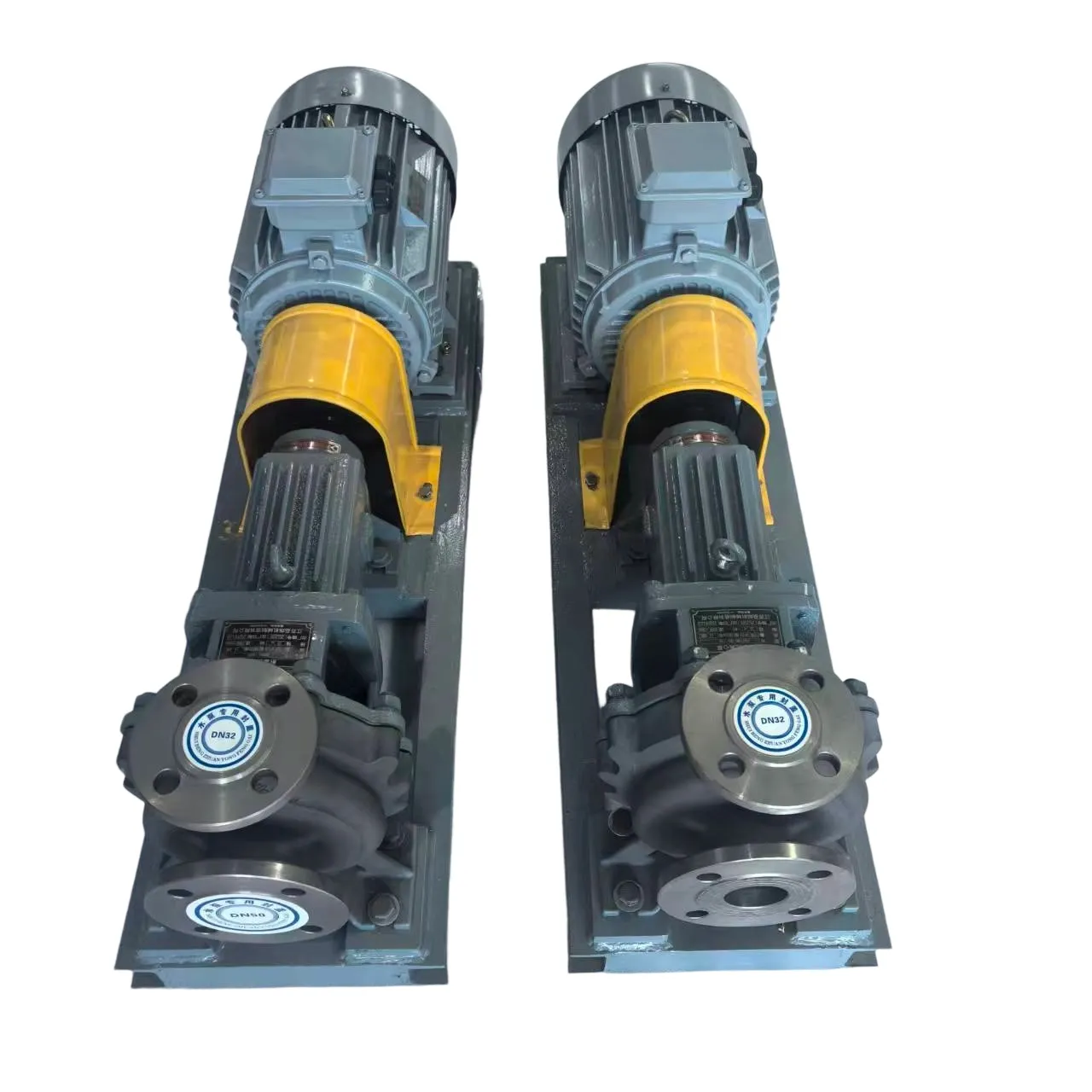
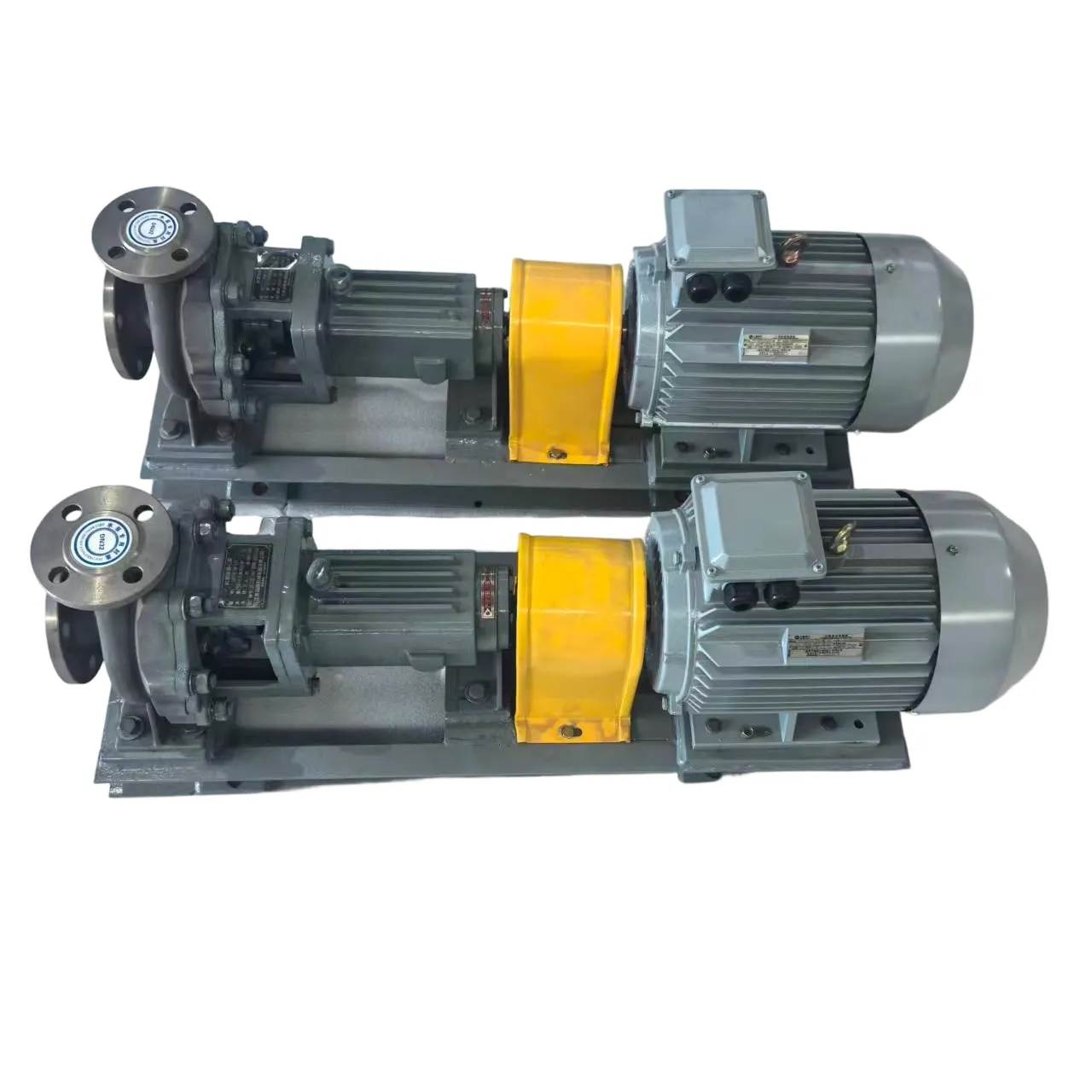
IH Centrifugal Chemical Pumps
IH centrifugal chemical pumps for acids, alkalis, solvents, and industrial process liquids. Available with custom materials, seals, motors, and sizes.
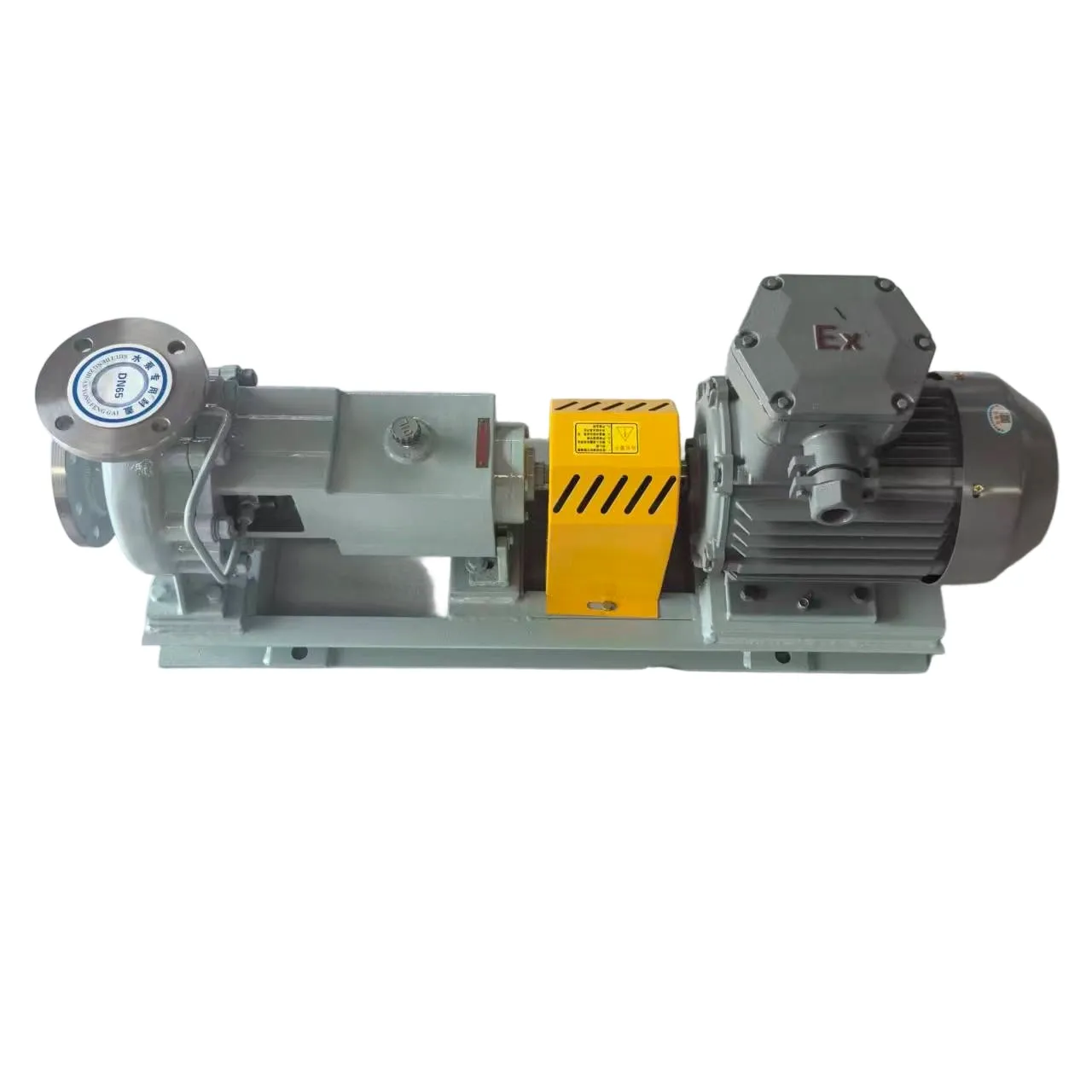
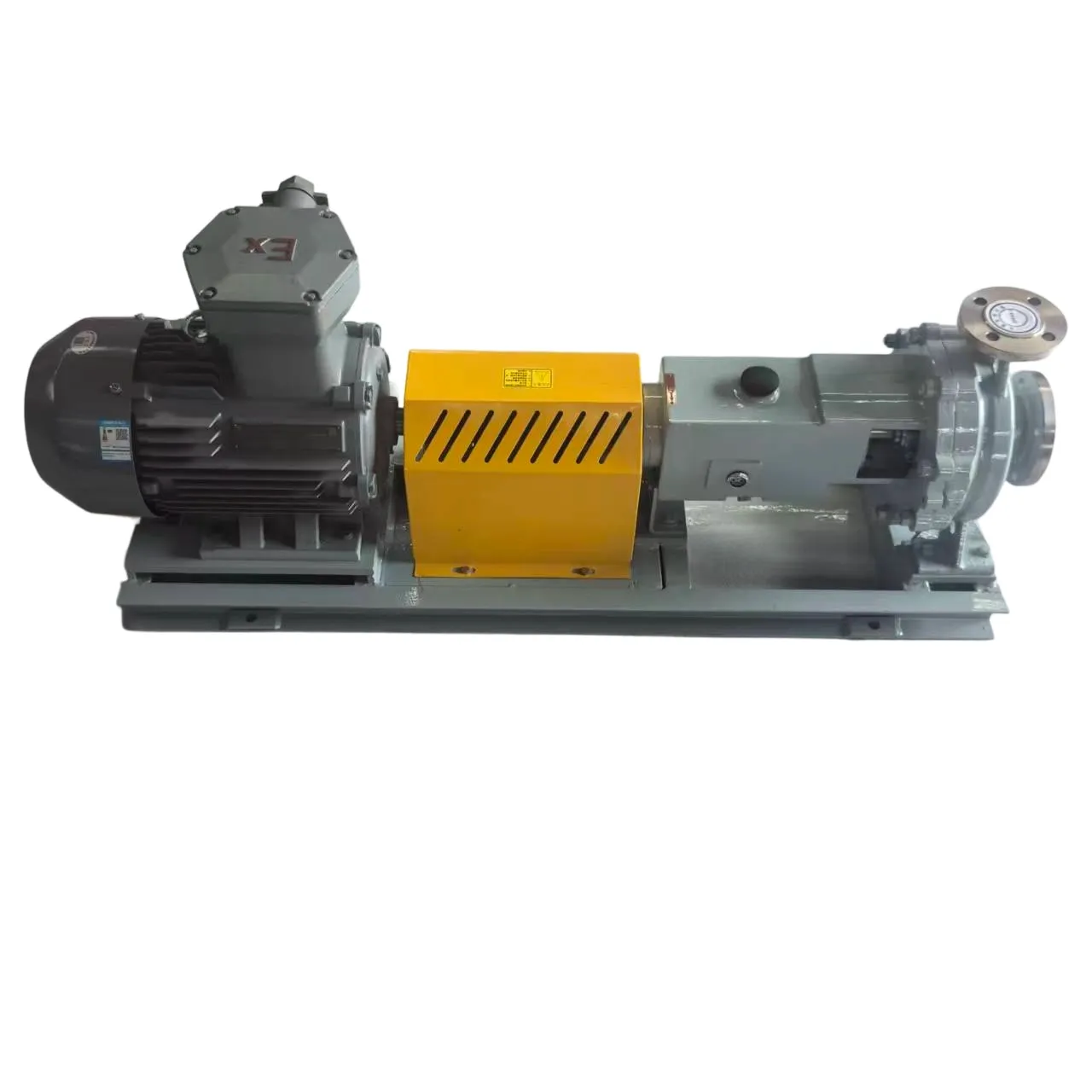
HJ Centrifugal Chemical Pump
HJ centrifugal chemical pump for corrosive, toxic, flammable, and particle-containing liquids. Custom materials, seals, motors, and performance.
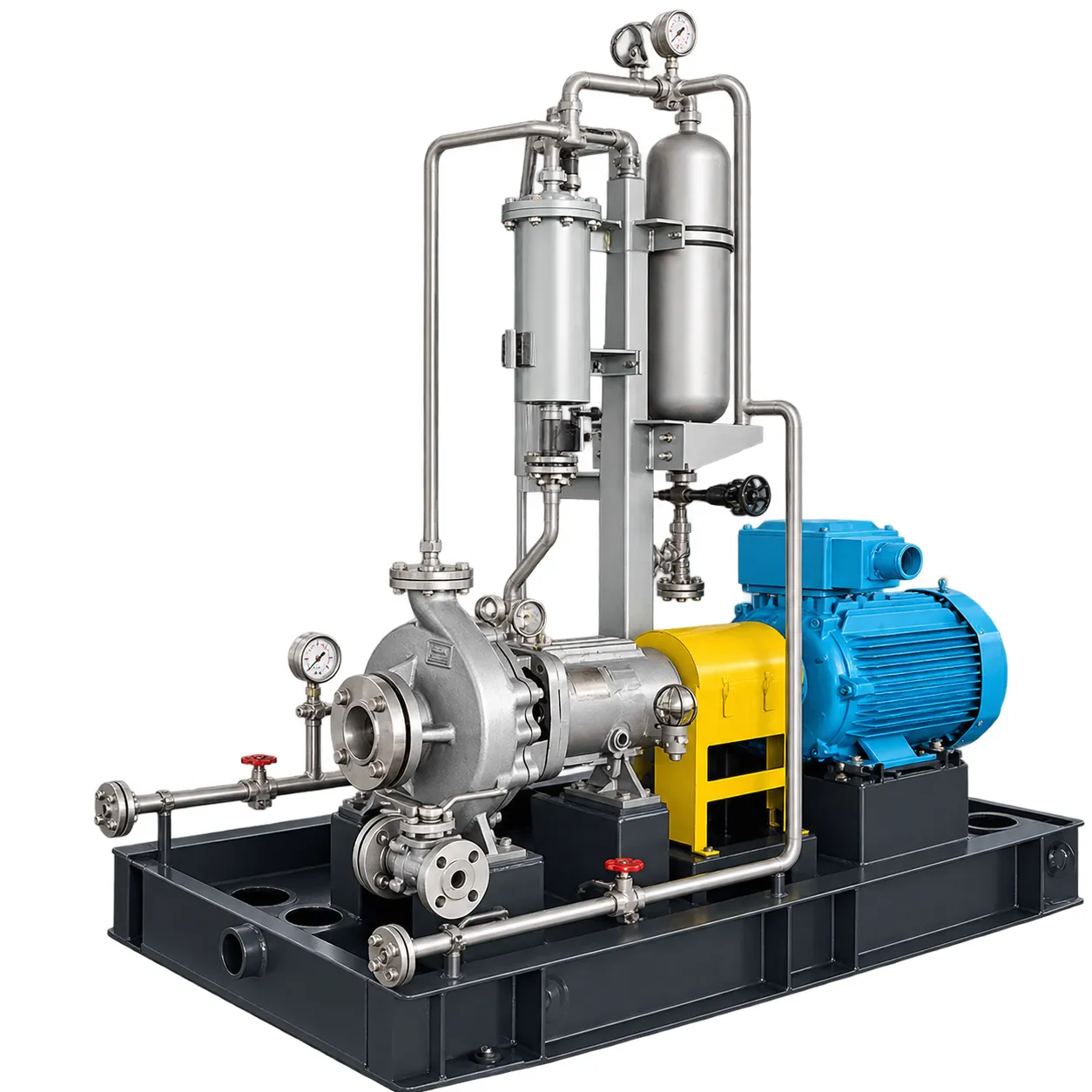
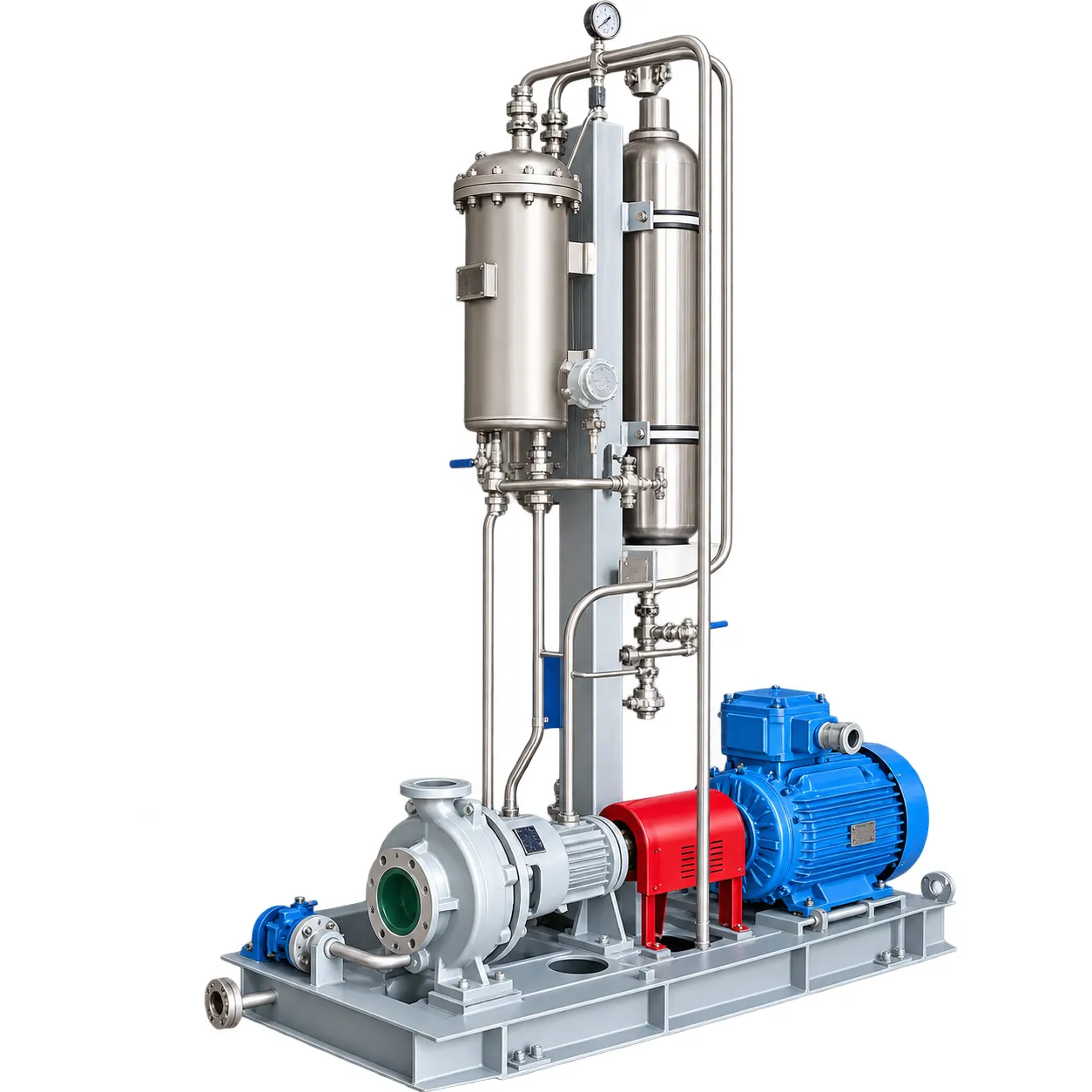
API 682 Plan 53A and 53B Chemical Pump System
API 682 Plan 53A and 53B seal support systems for ZA, ZE, and IH chemical pumps handling toxic, flammable, and corrosive liquids.


